
As colorectal cancer cases rise across the United States, leading medical experts are emphasizing the importance of considering early colonoscopies.
While rates of colorectal cancer (CRC) have been declining among older adults, a recent report from the American Cancer Society (ACS) indicates a troubling trend: the incidence of CRC among adults younger than 50, categorized as early-onset, has been increasing by approximately three percent each year.
Remarkably, 45 percent of all CRC cases are diagnosed in individuals under the age of 65, according to the ACS.
Moreover, among CRC patients younger than 50, a significant majority—three out of four—receive their diagnosis at either a regional or distant stage, essentially Stage 3 or 4. The five-year survival rate for those with localized colorectal cancer stands at 91 percent, but this figure falls to 74 percent for regional cases. For those with distant disease, the survival rate plunges to a mere 13 percent.
Additionally, another study has identified CRC as the leading cause of cancer-related deaths among Americans under 50.
In response to this growing concern, the US Preventive Services Taskforce (USPSTF) recently adjusted the recommended starting age for regular CRC screenings from 50 to 45. The preferred method of screening is a colonoscopy, a procedure involving a camera-equipped tube to inspect the rectum and large intestine, recommended every decade.
But the age 45 cutoff fails to capture the many patients in their 20s, 30s and early 40s who are increasingly being diagnosed with the disease.
‘While the recent recommendation to lower the standard screening age to 45 is a positive step, it’s crucial for individuals younger than 45 to understand that there are compelling reasons they might need a colonoscopy sooner,’ Dr Tracy Proverbs-Singh, a gastrointestinal medical oncologist at Hackensack Meridian John Theurer Cancer Center in New Jersey, told the Daily Mail.

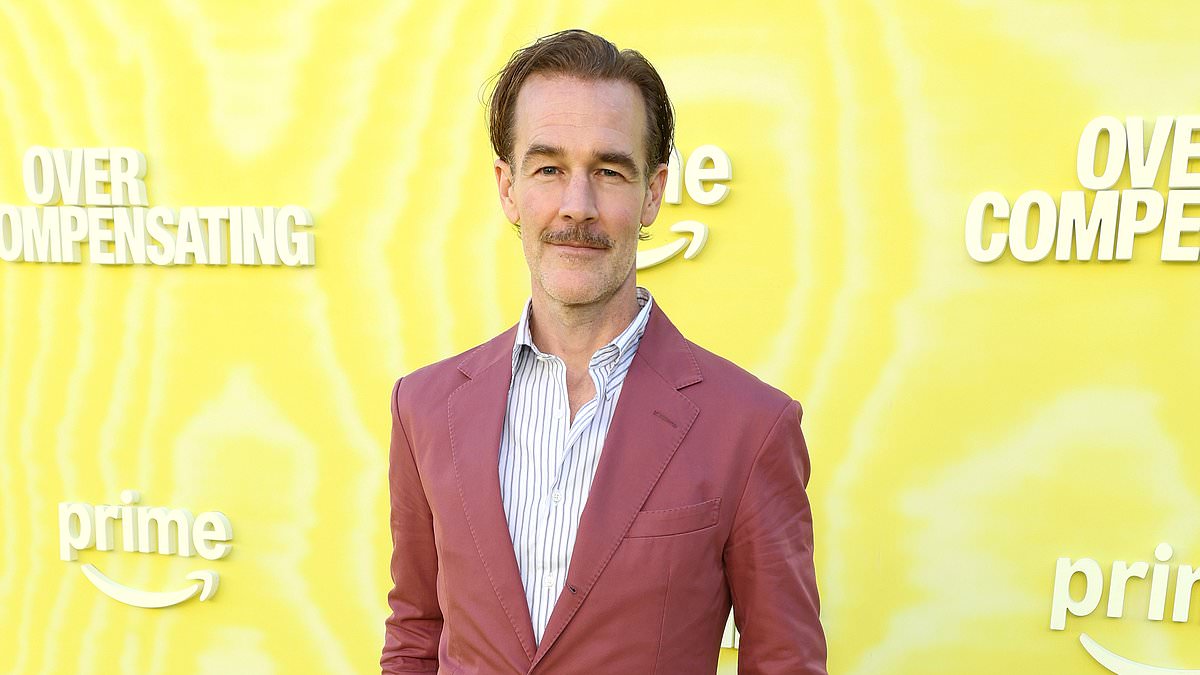
James Van Der Beek (pictured above) died earlier this year at age 48 from colorectal cancer
She added: ‘Certain risk factors can significantly increase the likelihood of developing colorectal cancer at a younger age, and early detection through colonoscopy is paramount in these cases.’
Speaking to the Daily Mail, oncologists specializing in CRC and other gastrointestinal cancers have revealed their top three reasons young patients may not want to hold off until age 45 for a colonoscopy.
You have a family history of CRC

Trey Mancini (pictured here) was a professional baseball player when he was stuck by stage three colon cancer at age 28. His father had previously battled the disease
Estimates vary, but nonprofit Colorectal Cancer Alliance suggests between 20 and 33 percent of CRC patients have a documented family history of the disease.
‘A family history of colorectal cancer or certain types of polyps is one of the most significant risk factors for developing the disease. This is because you can inherit genetic predispositions that make you more susceptible,’ Proverbs-Singh said.
Additionally, as is the case with many CRC instances, lifestyle factors come into play.
‘In some families, there are also shared lifestyle or environmental exposures that contribute to risk,’ Dr Amar Rewari, chief of radiation oncology at Luminis Health and host of the Value Health Voices podcast, told the Daily Mail.
Diets high in processed meats and low in fiber, a lack of physical activity and behaviors such as smoking and heavy alcohol use have all been linked to inflammation that fuels CRC growth.
Based on recommendations from the American College of Gastroenterology, Proverbs-Singh advises people with a first-degree relative – such as a parent, sibling or child – diagnosed with CRC before age 60 start screening at 40 or 10 years younger than the age at which the youngest affected relative was diagnosed.
For people with a first-degree relative who was diagnosed at age 60 or older, screening should start at age 40.
‘Depending on what is found during the colonoscopy and the strength of the family history, screening may also be recommended more frequently than once every 10 years. For some individuals, doctors may recommend repeat colonoscopies every five years,’ Rewari said.
You have certain conditions that raise genetic risk

Tiffany Graham Charkosky (pictured above) was just 11 years old when her mother died of colon cancer. Two decades later, Charkosky learned she has Lynch syndrome, which dramatically raises her risk of several forms of cancer
‘Certain inherited genetic syndromes dramatically increase the lifetime risk of developing colorectal cancer, often at a very young age,’ Proverbs-Singh said.
These conditions include Lynch Syndrome, which affects one in 300 Americans (roughly 1 million people). However, upward of nine in 10 don’t know they have it since genetic testing is the only detection method.
Lynch syndrome is caused by a mutation in the MLH1, MSH2, MSH6 or PMS2 genes, which are responsible for repairing mistakes in DNA. Mutations in these raise the risk of cells multiplying uncontrollably and becoming cancerous. The condition raises the risk of CRC by up to 80 percent.
‘Cancers in people with Lynch syndrome also tend to develop at a younger age,’ Proverbs-Singh said.
Rewari also points to another inherited condition that raises CRC risk: Familial Adenomatous Polyposis (FAP), which causes hundreds to thousands of precancerous polyps to grow in the colon and rectum as early as the teen years. ‘Without treatment, many of these polyps can eventually become cancerous,’ he added.
It’s caused by a mutation in the APC gene and affects one in 5,000 to one in 10,000 Americans. It accounts for 0.5 to one percent of CRC cases, while Lynch syndrome makes up two to four percent.
Rewari notes patients with Lynch syndrome most often start colonoscopy screening in their 20s and repeat every one to two years.
‘For those with Familial Adenomatous Polyposis, screening can begin in the teenage years, because polyps can develop very early. The goal with these patients is aggressive surveillance and removal of polyps to prevent cancer from developing,’ he said.
You have certain ‘red flag’ symptoms

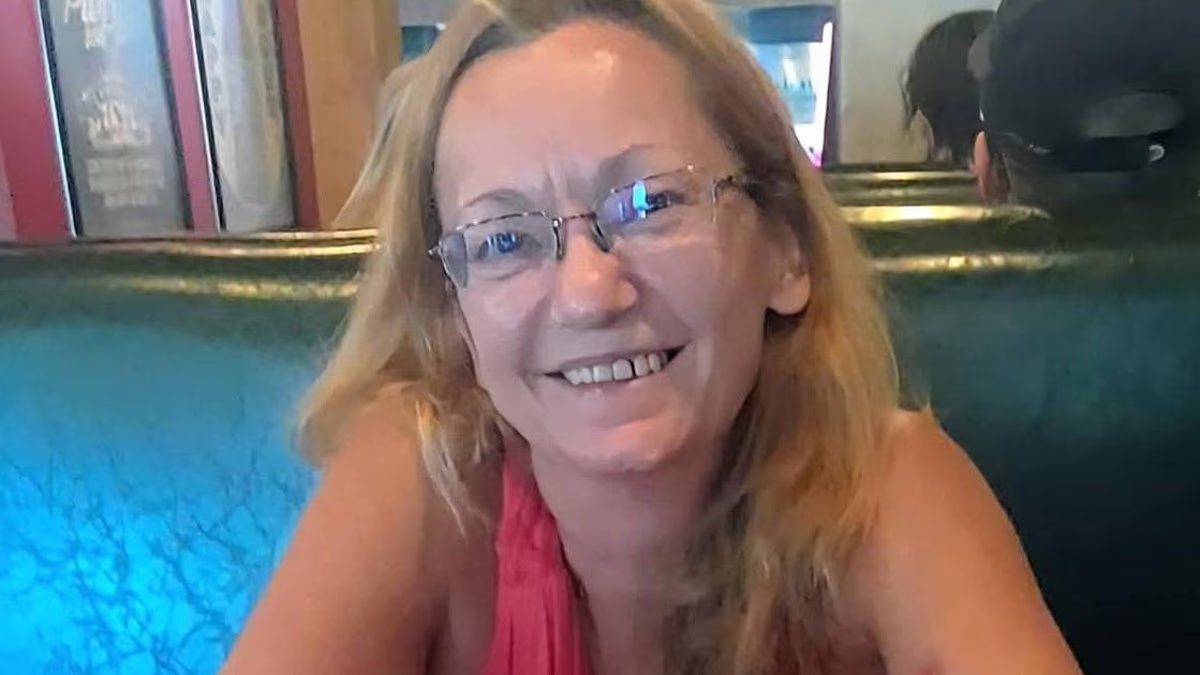
Mariana Tata (pictured above) was just 26 years old when she was diagnosed with Stage 4 colorectal cancer that had spread to her ovaries and abdominal wall. She had bloating and rectal bleeding prior to her diagnosis
For many young CRC patients, symptoms are subtle or develop slowly over time.
‘One challenge is that colorectal cancer is still often considered a disease of older adults. Because of that, symptoms in younger patients may initially be attributed to less serious conditions like hemorrhoids or irritable bowel syndrome.
‘But we’re seeing rising rates of colorectal cancer in younger adults, so persistent symptoms should not be ignored,’ Rewari said.
Signs of CRC include rectal bleeding or blood in the stool. Brighter red colors indicate the blood is newer and comes from lower in the colon, such as the rectum. However, black and tarry blood is older, a sign it came from higher in the large intestine.
Proverbs-Singh also points toward ‘a persistent change in your bowel habits.’
She added: ‘This can include diarrhea or constipation that lasts for more than a few days, or a change in the consistency of your stool, such as narrow, ribbon-like stools.’
Abdominal cramps, a feeling not being completely empty after a bowel movement, unexplained weight loss and fatigue are also common signs.
Additionally, unexplained anemia ‘can be a sign of slow, chronic bleeding in the colon,’ Proverbs-Singh said.
She added: ‘These symptoms can indicate the presence of a polyp or tumor in the colon or rectum that may be bleeding or causing a blockage.’
Rewari cautioned that while ‘in many cases the cause is benign,’ such as hemorrhoids, a colonoscopy is still key because it ‘allows physicians to directly visualize the lining of the colon and remove suspicious polyps before they progress.’