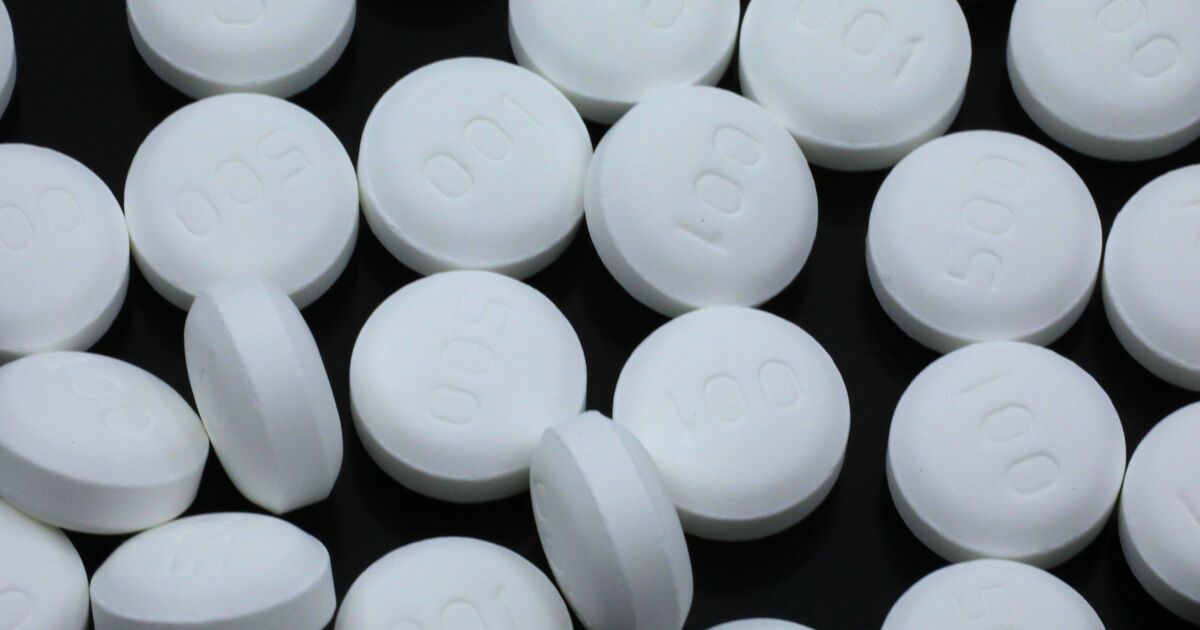


Metformin medication in a pharmacy bottle. (Image: Douglas Sacha via Getty Images)
Those who rely on insulin or metformin are being urged to take extra care as the UK braces for continued hot weather and an amber health warning. The record for the hottest May temperature in the UK was broken for the second day running, with 35C recorded at two locations — Heathrow and Kew Gardens in London.
People dependent on insulin or metformin are being advised to exercise extra caution as the UK faces ongoing high temperatures, accompanied by an amber health warning. The UK has set a new record for the hottest May day, with temperatures soaring to 35°C at Heathrow and Kew Gardens in London for the second consecutive day.
The UK Health Security Agency (UKHSA) has issued an extended amber health warning for several regions, including the south-west, south-east, London, East and West Midlands, and the west of England.
This amber warning, along with yellow alerts for the north-east and north-west, will remain effective until 5 p.m. on Thursday.
The Weather-Health alerting system by the UKHSA and Met Office indicates that an amber Heat Health alert means there could be increased pressure on healthcare services, particularly affecting vulnerable groups, as well as those over 65 or with existing health conditions.
Dr. Anya Gopfert, a Consultant in Health Protection at UKHSA, emphasized: “We understand that even moderate heat can cause serious health issues, especially for the elderly and those with certain health conditions, so it’s crucial for everyone to take basic precautions while enjoying the warm weather in the coming days.”
Read more: Discover 3 methods to keep dogs cool during the heat, including a £14 ‘game-changer’.
She added: “If you have friends, family or neighbours who are more vulnerable, it is important to check in on them and ensure they are aware of the forecasts and are following the necessary advice.”
The Medicines and Healthcare products Regulatory Agency is also urging those who use insulin or have been prescribed metformin to exercise extreme caution during warm weather.
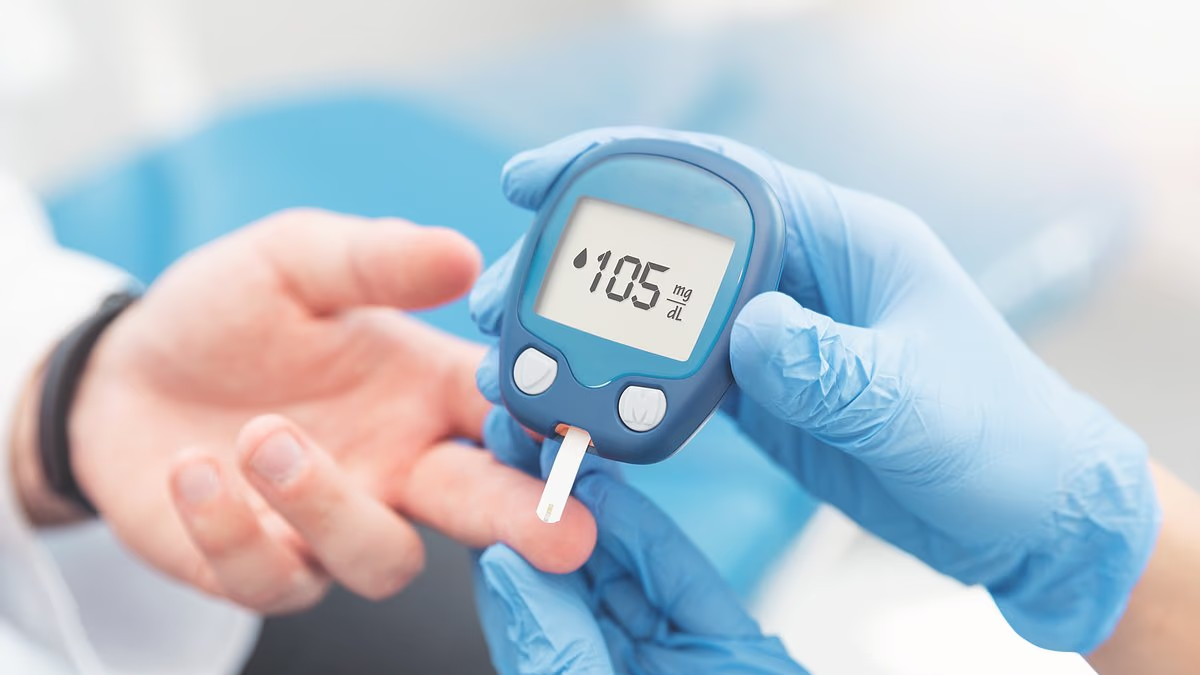
These medicines, used in the treatment of diabetes, can heighten the risk of dehydration or make early warning signs more difficult to identify.
Antipsychotic drugs, such as olanzapine or quetiapine, or stimulant medications prescribed for attention disorders, can raise your body temperature, leaving you more susceptible to overheating.
Dehydration can trigger dizziness, headaches, fatigue, confusion, and dark-coloured urine — a concern that is especially serious for older adults, young children, and those with heart or kidney conditions.
Read more: Six science-backed methods to beat the heatwave – without air con
Read more: UK households issued one hour overnight fan limit until Thursday
Health experts recommend that anyone who begins to feel unwell in the heat should move to a cooler environment, drink water gradually, and seek medical attention if symptoms fail to improve promptly.
Alison Cave, Chief Safety Officer at the MHRA, said: “Let’s face it – when there’s a heatwave, most of us are focused on getting outside and enjoying it while it lasts. But it’s easy to forget that medicines left in the heat – in cars, bags, or on sunny windowsills – might not work properly when you need them.
“Some medicines can also make you more likely to burn in the sun, feel dizzy, or get dehydrated, especially if you’re taking diuretics or have a condition like asthma, heart disease, or diabetes.
“To stay safe in the heat; Store medicines somewhere cool, dry and out of direct sunlight – especially if you’re out and about, Know the signs of heat-related illness – stay hydrated and listen to your body and take extra care in the sun if your medicine makes your skin more likely to burn
“And remember, for all medicines it’s important to read the leaflet and speak to a healthcare professional if you have any questions.”