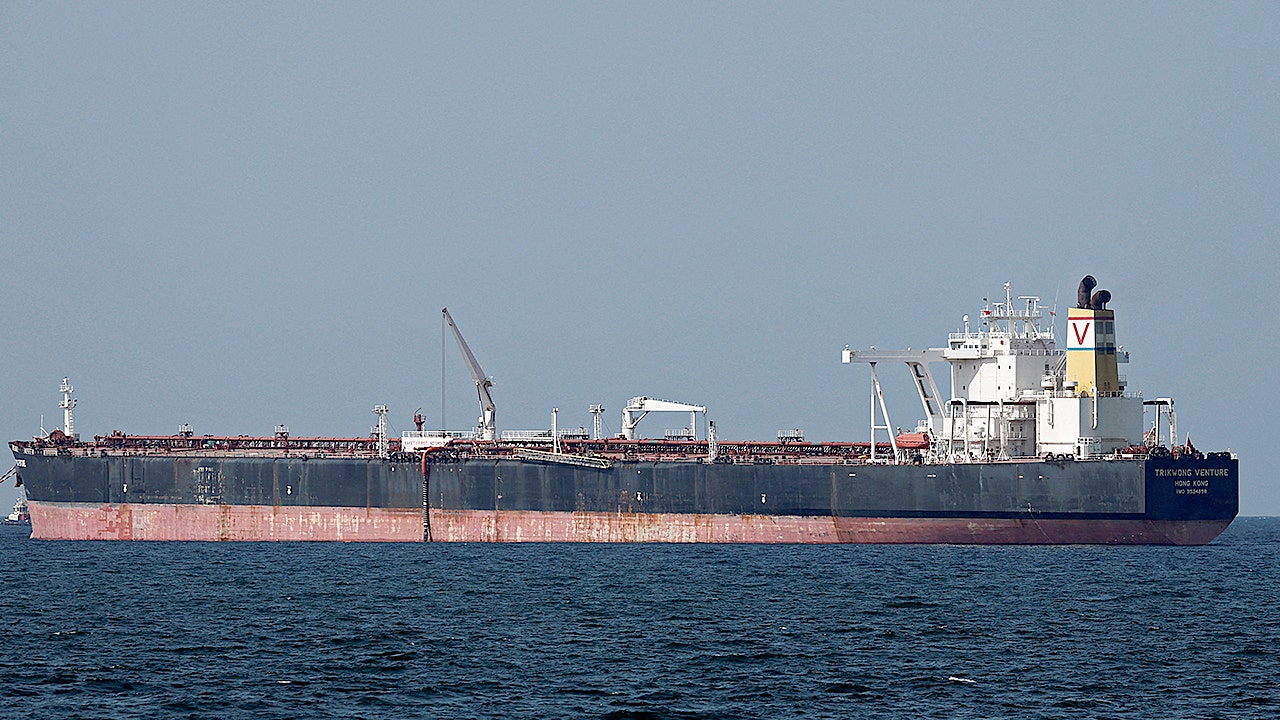

In a strategic maneuver to bypass Western sanctions, Russia has reportedly utilized its “shadow fleet” for a clandestine oil transfer valued at approximately $29.3 million in the Gulf of Oman. This operation, characterized as “semi-dark,” highlights Russia’s attempts to evade international restrictions.
According to Windward AI, a maritime intelligence company, the Russian-flagged tanker M/V TRUST, which is already sanctioned by the U.S., European Union, and the United Kingdom, engaged in a likely covert exchange of crude oil within Omani waters. This event was documented on March 8.
With crude oil prices hovering around $90 per barrel as of March 10, the shipment involved in this transaction was estimated to be worth about $29.3 million.
Windward noted the timing of this operation was strategic, coinciding with increased military tensions in the region following Operation Epic Fury. This suggests that the tanker capitalized on the regional unrest to carry out the transfer with less oversight.
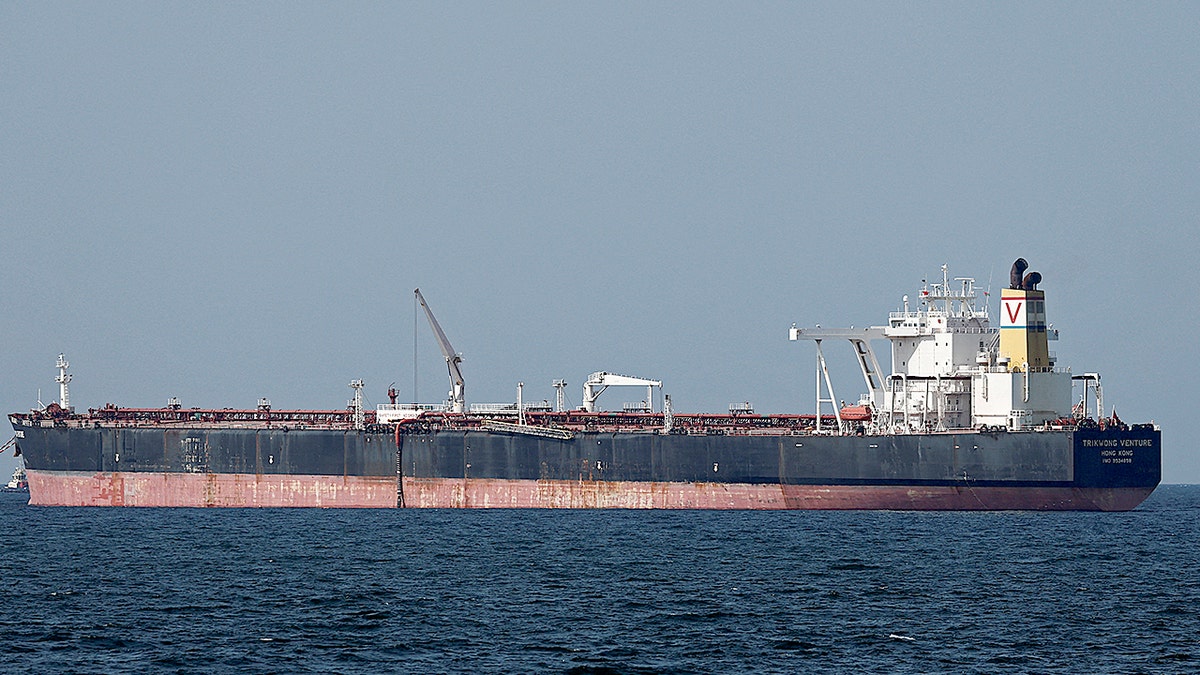
On March 6, 2026, a crude oil tanker was seen anchored in Muscat during the U.S.-Israeli conflict with Iran. (Reuters/Benoit Tessier)
Prior to the transfer, the tanker had reportedly loaded around 325,000 barrels of Russian crude from the port of Ust-Luga, as detailed by Windward.
Windward described the operation as a “semi-dark” activity, meaning one of the vessels transmitted its automatic identification system (AIS) signal while the other did not.
According to the firm, the M/V TRUST had anchored and switched off its AIS transponder while holding what it called a “prolonged stationary meeting” with another tanker, likely producing an anonymous vessel to transfer cargo process.
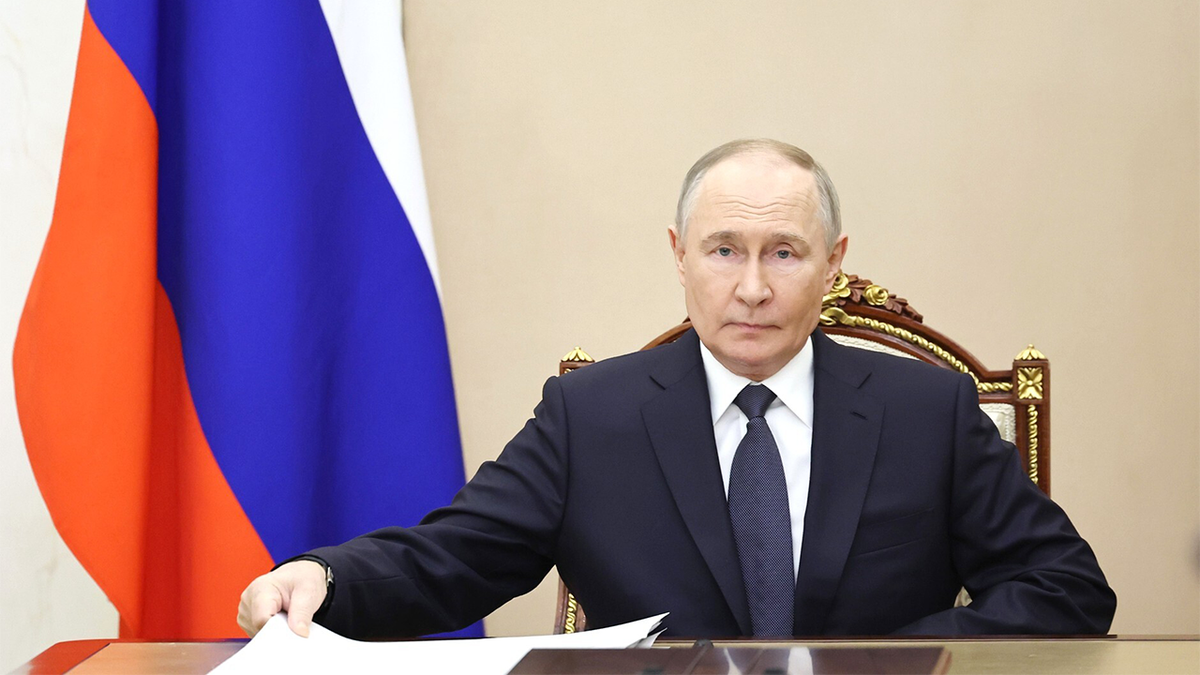
Russian President Vladimir Putin meets the Russian delegation and some officials ahead of the Istanbul talks May 14, 2025, in Moscow, Russia. (Kremlin Press Office/Handout/Anadolu via Getty Images)
A fully “dark” meeting, Windward said, typically involves two vessels not transmitting, but, in this case, only one ship appeared to be broadcasting, creating partial visibility that still complicates tracking efforts.
Such tactics are part of a broader strategy by Moscow to continue exporting crude despite sweeping Western sanctions imposed after Russia’s invasion of Ukraine.
The semi-dark oil transfer comes amid heightened volatility in global energy markets tied to the escalating conflict in the Middle East and limited traffic in the Strait of Hormuz given the joint U.S.-Israeli military action against Iran.
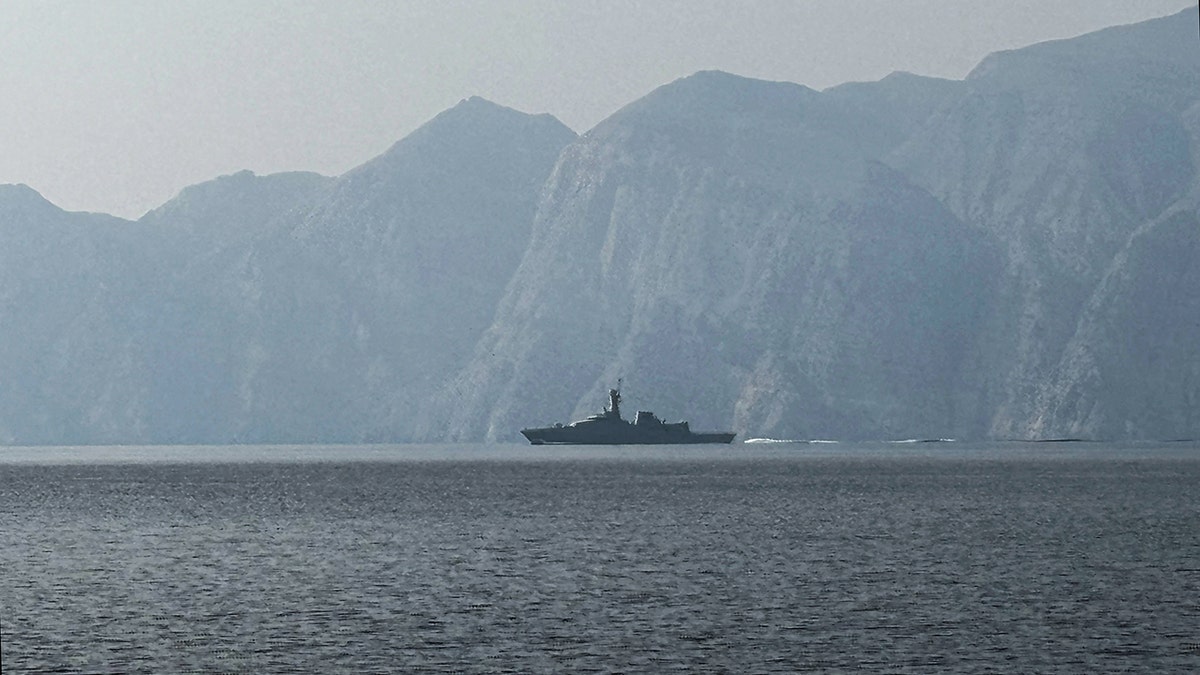
A navy vessel sails in the Strait of Hormuz, a vital waterway through which much of the world’s oil and gas passes, March 1, 2026. (Sahar Al Attar/AFP via Getty Images)
Oil topped $100 a barrel March 9 as traders priced in the risk that the conflict was disrupting flows through the Strait, which carries about a fifth of global supply, CNBC reported.
Russian President Vladimir Putin said on March 9 that Russia, the world’s second-largest oil exporter and holder of the largest natural gas reserves, stands ready to resume long-term energy cooperation with European customers if they choose to return, Reuters reported.
Meanwhile, Secretary of War Pete Hegseth said Tuesday that Russia “should not be involved” in the escalating conflict between the U.S., Israel and Iran.
His comments followed reports suggesting Moscow may be providing intelligence support to Tehran, though the Kremlin has not publicly confirmed the claims.
On Russia’s ship-to-ship semi-dark cargo transfer amid the ongoing conflict, Windward highlighted “operational blind spots that enable illicit maritime activity to proceed largely uninterrupted.”