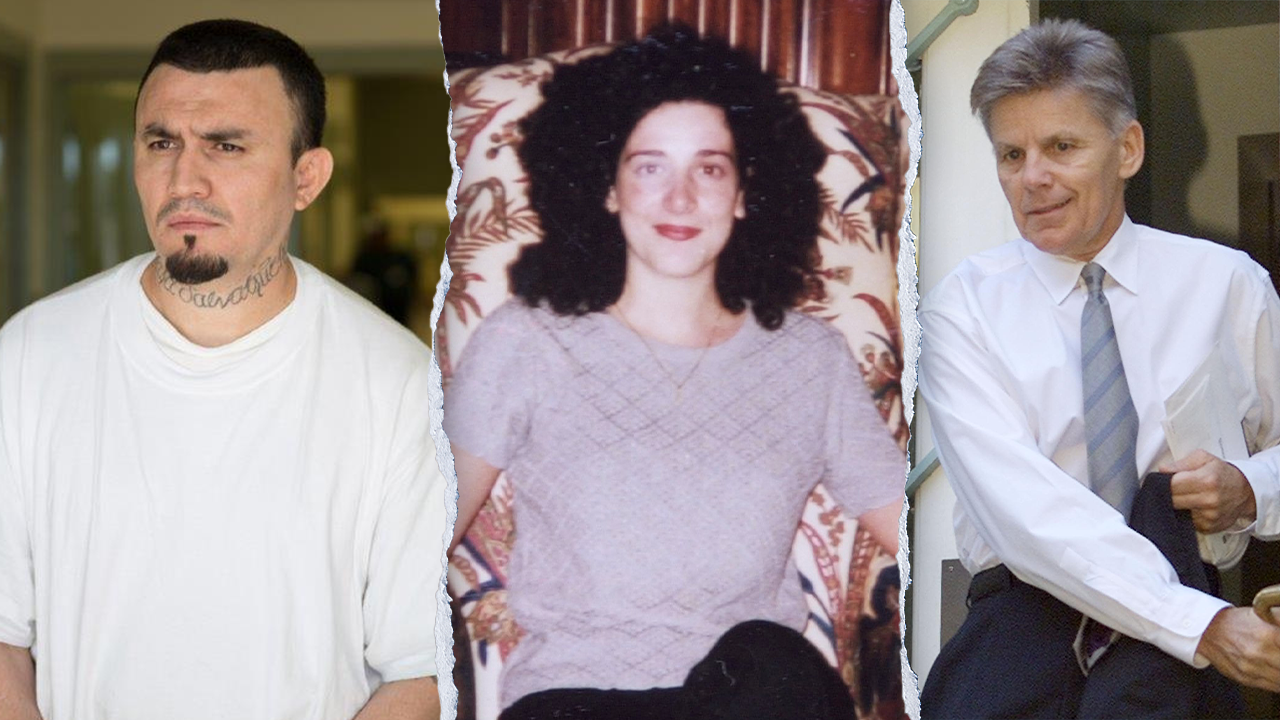

Two and a half decades have passed since Washington intern Chandra Levy disappeared, yet the mystery surrounding her case continues to linger, overshadowed by questions about whether initial investigative errors allowed a potential perpetrator to evade justice.
In 2001, the case captivated national attention, amplified by relentless media coverage and public intrigue over Levy’s connections with a sitting congressman. Despite this, suspicion eventually centered on an undocumented immigrant who had previously been convicted twice for assaults on women in proximity to Levy’s suspected murder scene and time frame, according to federal prosecutors.
Ted Williams, a seasoned former homicide detective from Washington, D.C. and current Fox News contributor, has long tracked this case. He argues that authorities missed critical opportunities by not conducting a thorough search of Rock Creek Park from the outset, which delayed the discovery of Levy’s remains and potentially weakened a case that was already heavily reliant on circumstantial evidence.
Fox News Digital has reached out to the city police department for any updates or comments regarding the case.
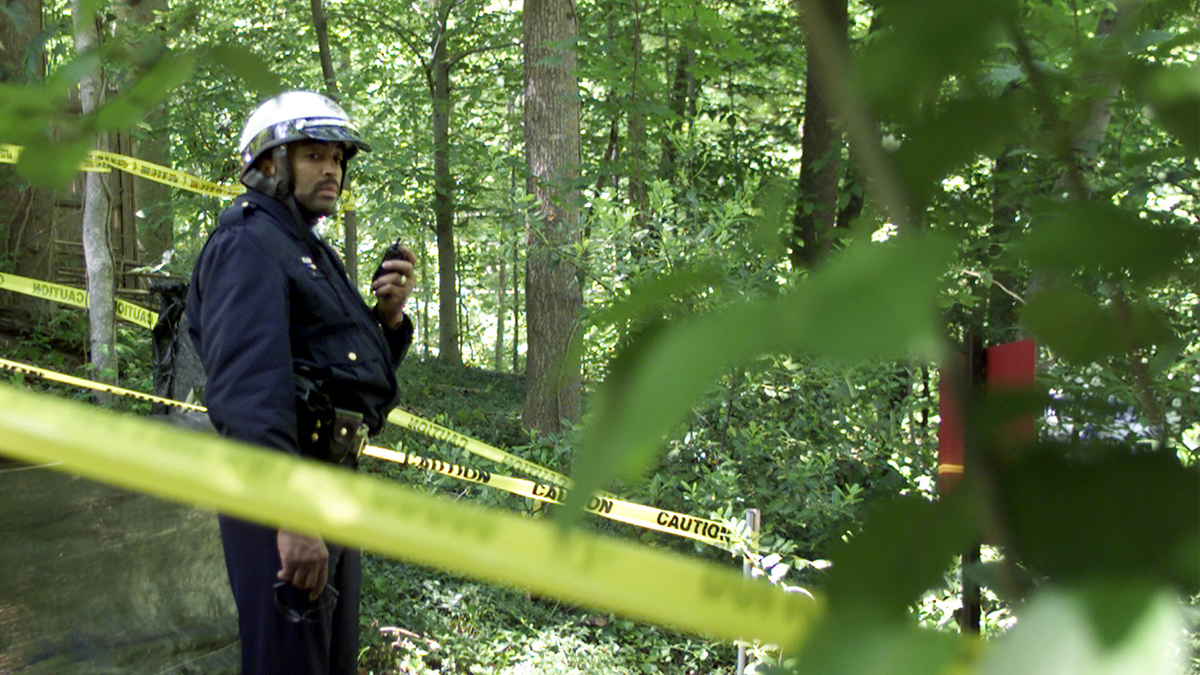
On May 22, 2002, a Washington Metropolitan Police Officer stood vigil behind police lines in Rock Creek Park, where a skull and other human remains were discovered. These bones were later confirmed to belong to Chandra Levy, the 24-year-old former intern who had vanished in May 2001.
Levy’s skeletal remains were located in a secluded section of the park in May 2002, a little over a year after her disappearance.
“They did conduct a grid search of portions of Rock Creek Park, but they never went really down into the ravine, the area in which Chandra Levy’s remains were found,” he told Fox News Digital. “And the only way that those remains were discovered was that there was a man who, walking his dog, came upon the remains. Absent that, we may very well still be looking for Chandra Levy.”
If a more thorough grid search had been conducted earlier in the investigation, investigators may have been able to recover physical evidence linking the suspect to the crime, Williams said.
“Twenty-five years later, because of the manner and the reckless manner in which they conducted the investigation, we are still left with a question mark as to who killed Chandra Levy,” he said.

Chandra Levy is shown in this undated handout photo from the Washington, D.C. Metropolitan Police Department. (REUTERS/Metropolitan Police Department/Handout)
Levy, a California native, was a 24-year-old intern at the Federal Bureau of Prisons. She was last seen in public at a gym near her apartment in Washington, D.C., on April 30, 2001. Investigators tracked her internet usage the following morning, showing she was still alive at 1 p.m. on May 1.
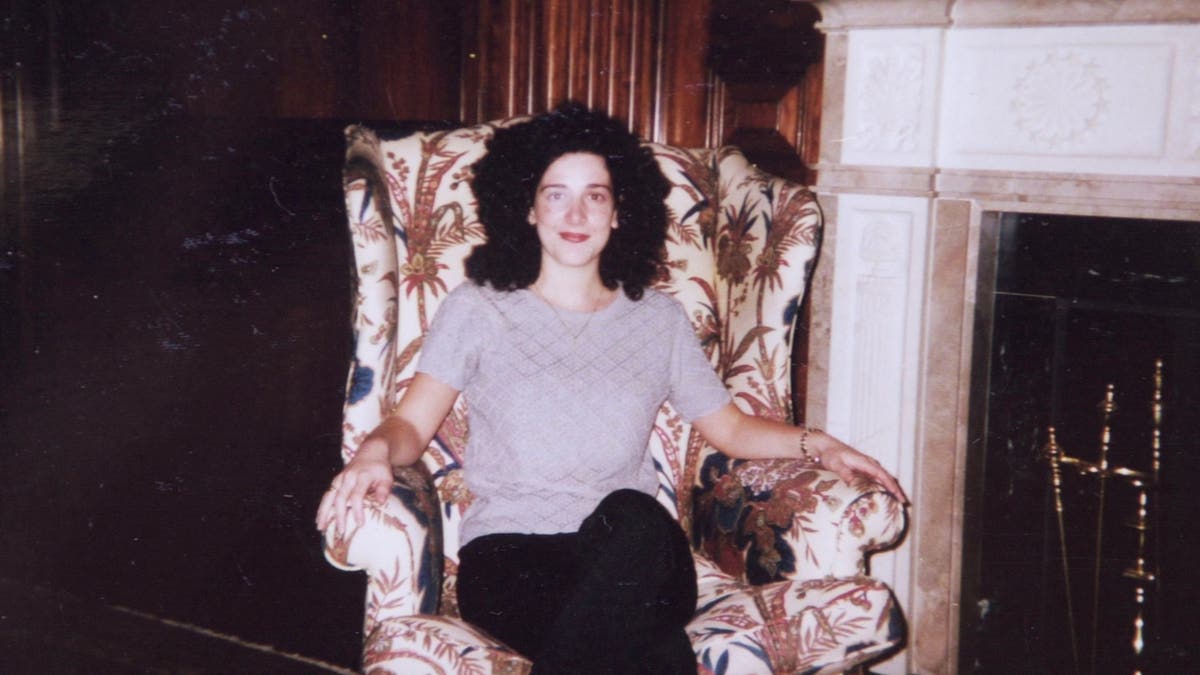
Chandra Levy, a Washington intern who went missing, is shown in this photo. (Mai/Getty Images)
On May 6, her parents called D.C. police and their congressman, then-Rep. Gary Condit, a California Democrat who would later be alleged to have been carrying on an affair with the missing woman.
The affair ended Condit’s political career, leading to a loss in the Democrat primary in his district in 2002. Attempts to reach him for comment were unsuccessful.
“I don’t think that the congressman really had anything to do with her having gone missing,” Williams said.

Then-U.S. Congressman Gary Condit (D-CA) pushes past news media after leaving his apartment building in the Adams Morgan section of Washington, July 12, 2001. Condit admitted to police authorities that he was romantically involved with Chandra Levy before her disappearance. (Reuters)
However, the congressional tie ignited a scandal that likely distracted investigators, Williams said.
“Because he was a member of Congress, it appears as though law enforcement officers were intimidated by his status, and they were not able to get a great deal of information out of him,” he said.
Police later cleared him as a suspect and refocused on another man.
In April 2009, they arrested an illegal immigrant from El Salvador named Ingmar Guandique, also known as Ingmar Guandique-Blanco, who had attacked other women in Rock Creek Park around the time of Levy’s murder.
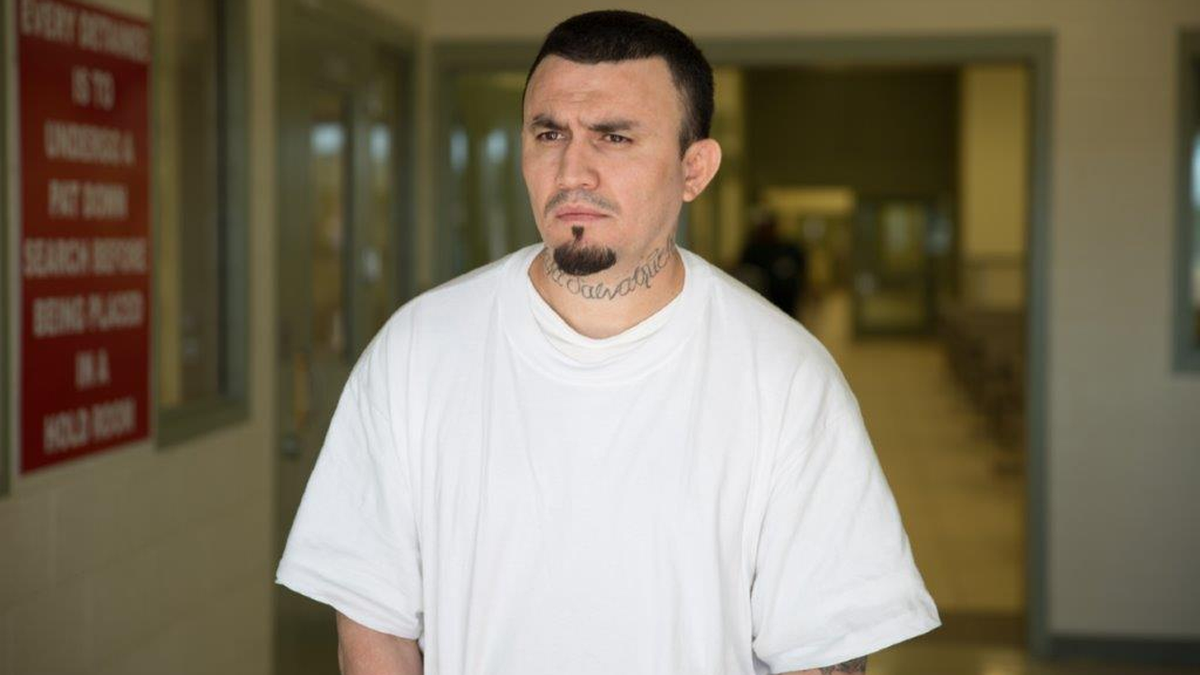
Ingmar Guandique pictured in federal custody in an undated photo provided by Immigration and Customs Enforcement. When prosecutors declined to bring him to court for a retrial in the murder of Chandra Levy, the purported MS-13 member was deported to El Salvador. (ICE)
Guandique, described by the government as an MS-13 member, had been accused of stalking a woman in the park on the same day of Levy’s disappearance. He was convicted later that year of attacking two more women in the park with a knife, one on May 14, two weeks after Levy’s murder, and another on July 1.
He served a decade in prison for the knife attacks. Then jurors found him guilty of Levy’s murder after a trial in 2010, partly thanks to the testimony of a fellow inmate who described a jailhouse confession.
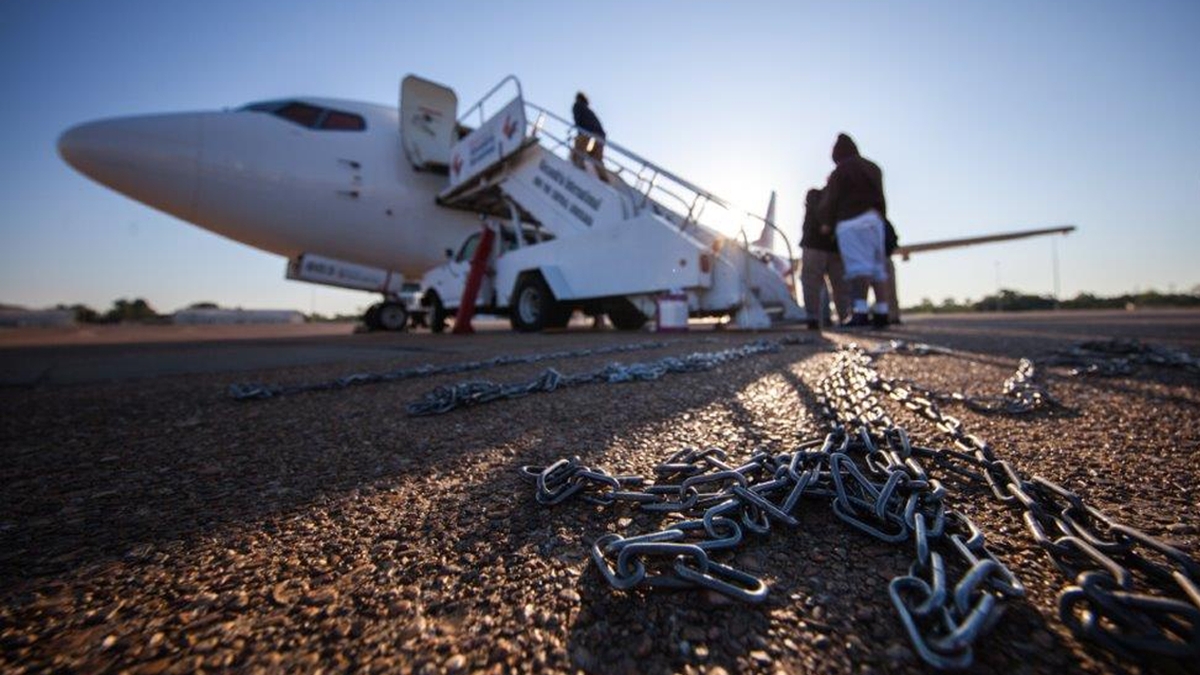
ICE released this image of a deportation flight preparing for takeoff along with an announcement that Ingmar Guandique had been deported to El Salvador after prosecutors dismissed their case against him in the murder of Chandra Levy. (ICE)
But his attorneys convinced a judge to grant a new trial in 2016 amid concerns over the witness’ credibility.
In a courtroom surprise, prosecutors moved to dismiss the case due to “unforeseen developments” rather than try him a second time. So the case was dropped, and Immigration and Customs Enforcement sent him back to El Salvador.
“They deported perhaps a killer rather than to put him on trial a second time,” Williams said. “That is also a mystery.”
While he said he still believes Guandique is an important suspect, the case officially remains unsolved 25 years later.
“I’m just very clear that the family will never be able to get over the death of this promising young girl who came to Washington as an intern,” Williams said.
<!–>
–>