
According to recent reports, Iran is imposing a hefty charge of $2 million on certain tankers navigating the crucial Strait of Hormuz, aiming to tighten its grip on this pivotal maritime passage.
Iranian parliamentarian Alaeddin Boroujerdi announced on the national broadcaster, Islamic Republic of Iran Broadcasting (IRIB), that this substantial fee signifies a shift in Iran’s strategy for managing the waterway, as reported by Iran International.
“The $2 million transit fee for some vessels crossing the strait underscores Iran’s power,” Boroujerdi remarked on a television program, with his comments being widely covered by Iranian media.
Boroujerdi, part of the national security committee in parliament, noted that this measure is already in place. He described it as indicative of a new “sovereign regime” governing the strait after many years, according to the media outlet.
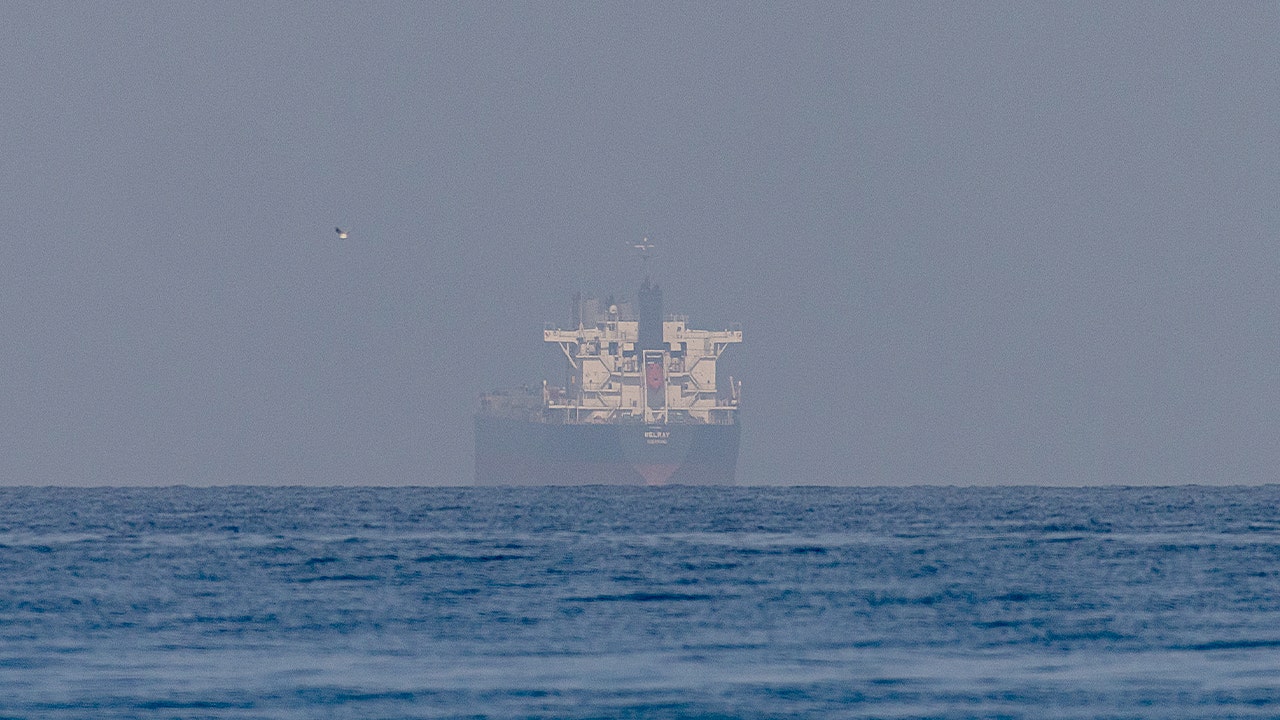
Reports indicate that Iran is now demanding a $2 million fee from certain tankers using the Strait of Hormuz. (Getty Images/Getty Images)
“Given the expenses associated with conflict, it’s only natural that we should levy transit fees on ships passing through the Strait of Hormuz,” he stated.
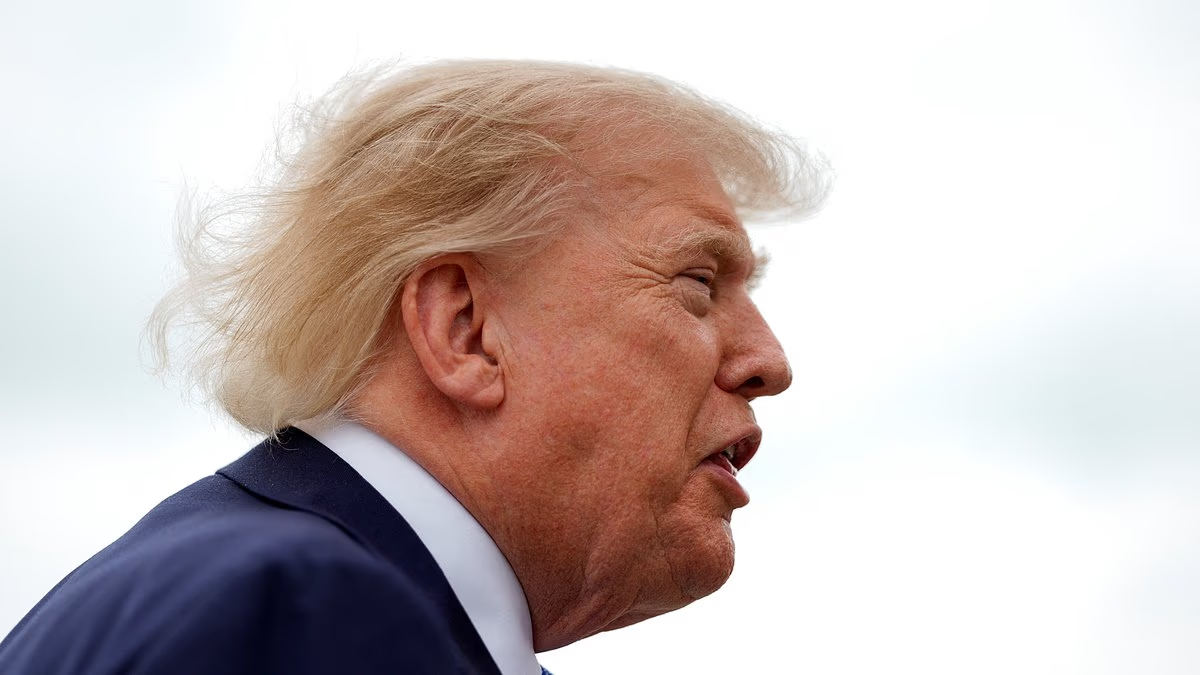
Boroujerdi’s comments came after President Donald Trump warned Saturday that the United States could target Iran’s power infrastructure if the strait is not reopened within 48 hours.
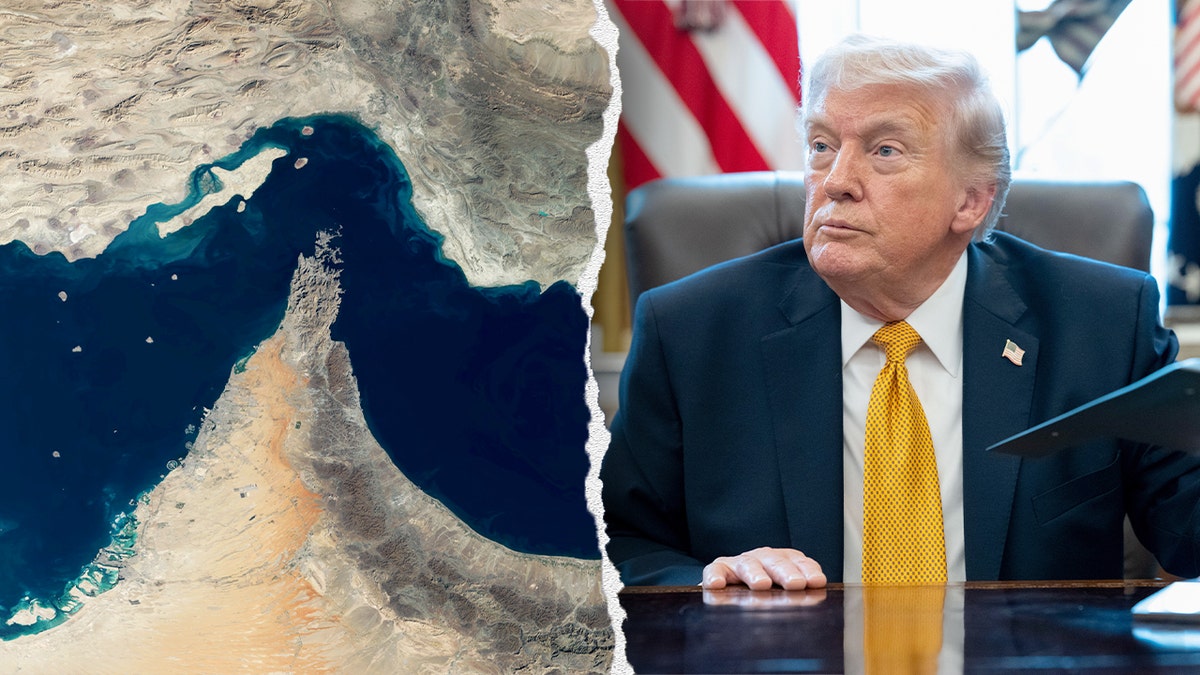
President Donald Trump warned on Saturday that the U.S. could strike Iranian power plants if the Strait of Hormuz is not reopened. (Getty Images)
“If Iran doesn’t FULLY OPEN, WITHOUT THREAT, the Strait of Hormuz, within 48 hours from this exact point in time, the United States of America will hit and obliterate their various POWER PLANTS, STARTING WITH THE BIGGEST ONE FIRST!” Trump said in a post shared on Truth Social.
The strait is “open to everyone” except Iran’s adversaries, Tehran’s permanent representative to the International Maritime Organization, Ali Mousavi, also told the Mehr News Agency on Sunday, while Iranian President Masoud Pezeshkian also set out Iran’s policy on X.
“The Strait of Hormuz is open to all except those who violate our soil,” he said.
According to Lloyds List, Iran has set up a de facto ‘safe’ shipping passage in the Strait of Hormuz and is offering vetted tankers passage in exchange for approval — and in “at least one case, a reported $2m payment,” it said.
Several governments, including China, India, Pakistan, Malaysia and Iraq are in talks with Tehran over ship transit, as Iran’s Revolutionary Guard sets up a new system to register “approved” vessels for safe passage, the outlet reported.
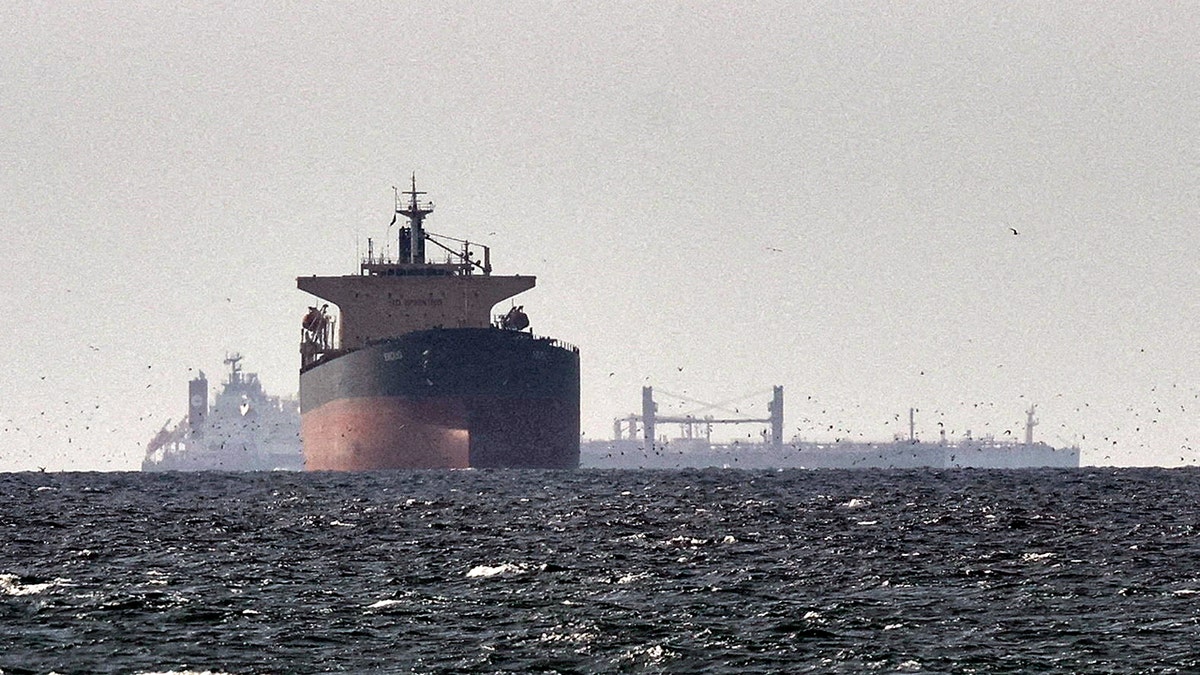
Maritime intelligence firm Windward AI has reported that Strait of Hormuz traffic was “near collapse.” (Stringer/File Photo/File Photo/Reuters)
Maritime intelligence firm Windward AI reported Sunday that Strait of Hormuz traffic was “near collapse”, with only “16 AIS-visible crossings recorded over the past seven days.”
Transit is controlled increasingly stringently, with vessels rerouting via Iran’s territorial waters, the firm said, noting that Gulf energy exports continue to decline, with crude and LPG flows at recent lows.
“Iranian exports remain active, supported by alternative routing and sustained on-water volumes,” Windward said.
The strait normally handles about 20 million barrels of oil per day and roughly 20% of global liquefied natural gas trade. The closure has driven up shipping and insurance costs, pushed oil prices higher, and raised global economic concerns.
Russian crude volumes remain elevated, reinforcing continued reliance on maritime energy transport, Windward said.