
Imagine being 18 years old, facing the prospect of spending 16 long years saving for a typical £63,855 deposit to buy a home. University aspirations are overshadowed by the looming reality of graduating with around £53,000 in student debt.
Now, picture a different scenario: on the morning of your 18th birthday, you receive a letter informing you that you have more than £400,000 at your disposal to spend as you wish.
For some of Britain’s wealthiest Junior Isa holders, this is not just a dream, but a reality, according to recent figures.
Junior Isas are tax-free savings or investment accounts designed for parents, friends, or family members to build a financial foundation for children. A Freedom of Information request to HM Revenue & Customs by financial advisors Murphy Wealth reveals that the top 25 Junior Isas in the UK now average nearly £400,000 each.
Such an amount could clear the average student debt more than seven times. Until they turn 18, children can accumulate up to £9,000 each tax year in a Junior Isa, which remains untouched until they reach adulthood.
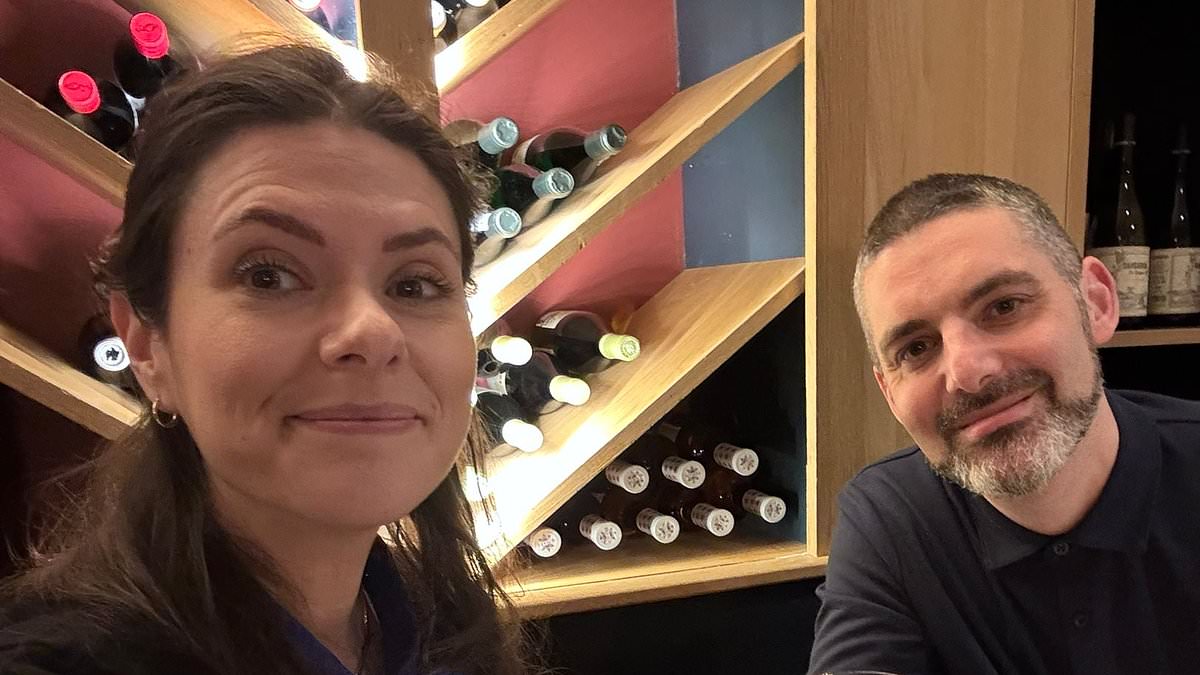
Veli Aghdiran, 41, began a Junior Isa for each of his three children to “open up possibilities” for their future. Together with his wife Maria, they have established three stocks and shares Junior Isas via the child savings app Beanstalk, amassing £60,000 through regular deposits and family gifts.

Planning: Veli Aghdiran and wife Maria have opened Junior Isas for their three children
The couple put in £200 a month for Carmen, seven, Leyla, five, and Arif, three. They insist the return has far exceeded the rates you can get in a cash Isa or a savings account. Investing tends to produce higher returns than savings over the long term though there are likely to be more bumps along the way.
Veli and Maria have opted for higher-risk portfolios in the hope of greater returns because their children are so young that they can afford to ride out stock market dips as these will not be noticed in the long run.
‘The thing with the Jisa is that the money is completely for them,’ says Veli. ‘If there’s any kind of further education they want to do or they would like to carry on studying afterwards, they can do that, without worrying about the debt.’
He adds: ‘But it’s up to them. They’re still so small. Judging by their current interests, Carmen would want to go on a training course to become a professional footballer, Leyla would want to become a ballerina, and the three-year-old boy would want to roar at things in a zoo.’
If, like Veli, you were to put £200 a month into a Jisa for the entire 18 years – your child could wake up on their 18th birthday to nearly £84,000 tax-free in an account that they control, assuming an 8 per cent return. For Veli, having three children this adds up to £252,000.
You would have to max out the £9,000 allowance for 18 years at an 8 per cent return to reach £330,000.
Clare Stinton, a senior personal finance analyst at investing platform Hargreaves Lansdown, says: ‘The advantage to giving early is that the money can benefit from compounding – returns don’t just add up, they build on themselves over the lifespan of the account.’
The money is officially the child’s money, and they can’t legally use it until they are 18, though they can control how it is invested at 16.
Veli, who leads a talent team in advertising, sees this as an advantage. He says: ‘It’s good to know that I can’t touch it, especially in times when there might be a temptation to raid an Isa to fund a family holiday, or pay for a bill that’s higher than expected, or whatever. It’s important to put that aside for them.’
The number of parents and grandparents paying the full £9,000 annual allowance into a child’s Jisa soared by 45 per cent between 2021 to 2023, Freedom of Information data obtained by wealth manager RBC Brewin Dolphin revealed.
Duncan Ferris, 32, who had a child with his wife only last month, has already decided to open a stocks and shares Jisa with investing platform Freetrade for their daughter Ari.
He aims to put £150 a month into the Isa until she is 18. Investing in a high-risk portfolio, the Isa could leave his daughter with more than £62,000 when she turns 18.
Duncan says: ‘We just wanted to give her a leg-up, and thankfully we are lucky enough to be in a position to do so.
‘I thought that if I opened my own Isa and controlled the money directly there was a risk I would lose track of it or I would end up spending it myself.
‘If it’s in her account, it’s set aside for her to have when she grows up. And there can be no mistake about that.’
- Are you saving regularly into a Junior Isa? Let us know: money@mailonsunday.co.uk
DIY INVESTING PLATFORMS
AJ Bell

AJ Bell
Easy investing and ready-made portfolios
Hargreaves Lansdown

Hargreaves Lansdown
Free fund dealing and investment ideas
interactive investor

interactive investor
Flat-fee investing from £4.99 per month
Freetrade

Freetrade
Investing Isa now free on basic plan
Trading 212

Trading 212
Free share dealing and no account fee
Affiliate links: If you take out a product This is Money may earn a commission. These deals are chosen by our editorial team, as we think they are worth highlighting. This does not affect our editorial independence.
Compare the best investing account for you