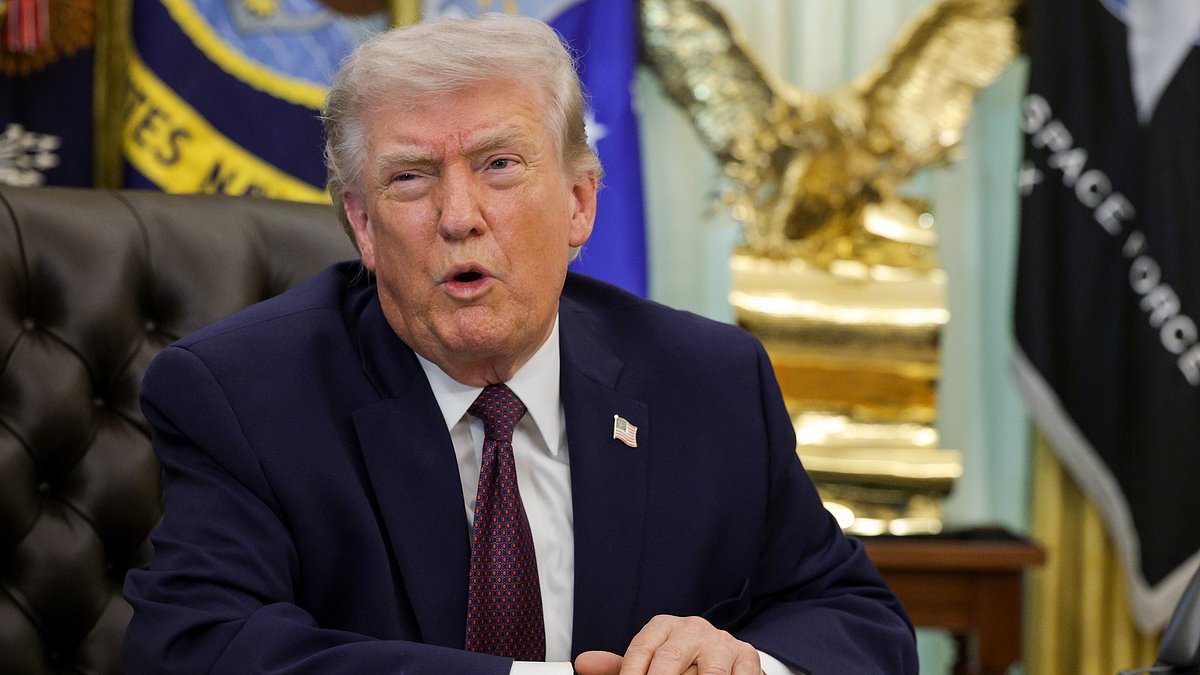


Americans are cautiously optimistic about the tentative ceasefire agreement between the United States and Iran brokered by President Donald Trump, yet skepticism about its longevity remains. Following a period of heightened tensions where Trump had made severe threats, a temporary two-week halt in hostilities has been agreed upon, with further diplomatic discussions set to occur at a summit in Pakistan this Friday. Vice President JD Vance is slated to spearhead these crucial peace negotiations. A recent poll conducted by Daily Mail and JL Partners reveals that many U.S. voters feel ‘relieved’ by the President’s decision to pursue a diplomatic resolution over military escalation.
Public Opinion on the Ceasefire Agreement

The poll results indicate that 33 percent of voters view the ceasefire as a positive development for the United States, while 18 percent perceive it negatively. Meanwhile, 28 percent of respondents are neutral, and 20 percent remain undecided, reflecting the public’s mixed yet cautious reaction. The predominant feeling among Americans is one of relief, as evidenced by a word cloud analysis depicting a populace weary of conflict. However, this relief is accompanied by doubts about the ceasefire’s sustainability.
Low Public Confidence in Ceasefire Stability

Despite the initial diplomatic success, only about 25 percent of Americans believe the ceasefire will likely endure, with a mere 7 percent expressing strong confidence in its longevity, according to the poll. A significant 54 percent predict that the agreement will likely or definitely falter, highlighting widespread concerns about Iran’s sincerity and the robustness of the ceasefire’s terms. Economic aspects of the deal are under scrutiny, especially Iran’s imposition of fees on ships passing through the Strait of Hormuz, a crucial artery for global oil transport that was previously open before the conflict initiated by Trump’s administration.

Some 41 percent of Americans say that the outcome is bad overall, compared to 19 percent who view it as good, while 24 percent are neutral and 16 percent are unsure. Despite those concerns, 43 percent of voters say the US should accept the fee to preserve the ceasefire, while 32 percent oppose it and 25 percent remain undecided. The Iranians put forward a ten-point ceasefire plan that Trump called ‘a workable basis on which to negotiate.’

The plan allows Iran to continue controlling the strait, although Tehran said countries that did not threaten them militarily would be allowed to pass. Trump’s polling fell to the lowest levels of his second term following the launch of Operation Epic Fury. The President’s rising unfavorability appears to have been driven in part by surging gas prices after the strait’s closure, with the national average climbing to $4.10 per gallon.