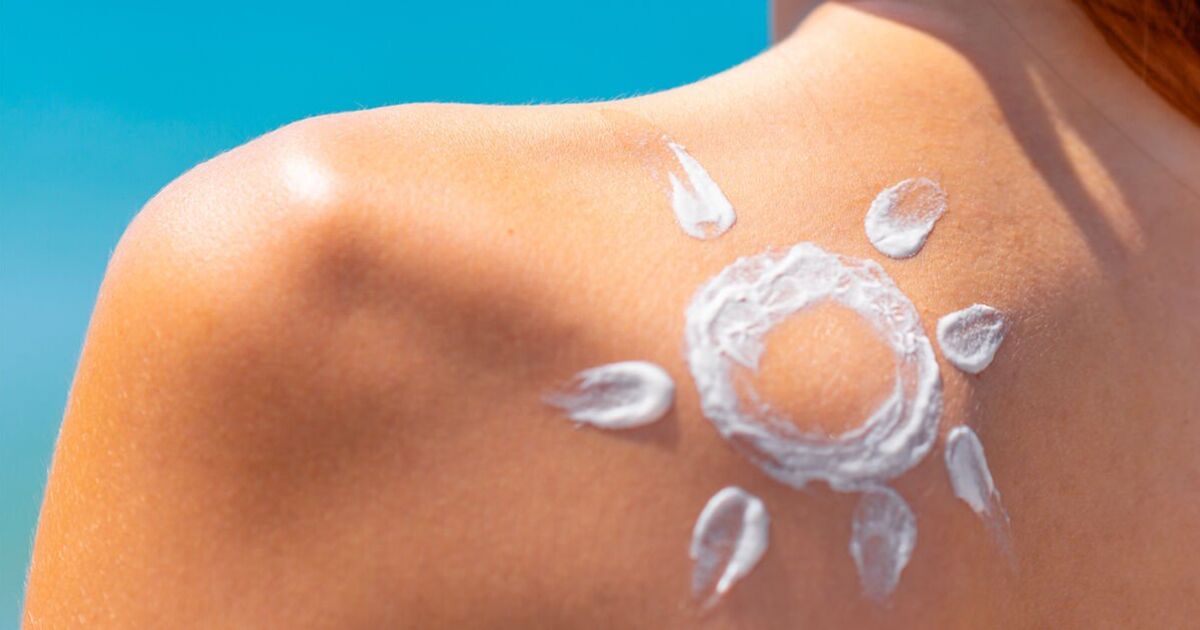

Individuals experiencing sunburn approximately once every two years face a risk three times higher of developing melanoma compared to those who have never been sunburned. As the incidence of skin cancer has surged to an unprecedented level, surpassing 18,000 cases annually, a skincare specialist offers crucial advice for staying protected during the spring and summer months. Dermatologist Dr. Nora Jaafar shared with the Express: “A common misconception I often encounter is that sun protection is only needed during vacations or summer, which is simply inaccurate.”
“UV radiation is present throughout the year, even in the UK,” she continued, “and UVA rays can penetrate through clouds and glass, exposing you to risks even on an overcast January day while sitting by a window. Incorporating daily SPF into your morning routine is crucial, regardless of the season. Long-term UV exposure is a major factor in premature skin aging and skin cancer, and its effects manifest more swiftly than many anticipate.”
While UVA rays contribute to skin aging and long-term harm, UVB rays are primarily responsible for sunburn. The sun protection factor (SPF) indicated on sunscreen labels reflects the level of protection against UVB rays.
Dr. Jaafar clarified: “The SPF number signifies how much longer you can remain in the sun before burning compared to without any protection. For instance, SPF 30 suggests you could theoretically stay out 30 times longer. However, real-life factors such as sweating, swimming, and inadequate application can drastically diminish this protection, making it imperative to apply generously under such conditions.”
Having recently introduced a #SkinSpringing reset collection with Superdrug, which includes daily SPF products, Dr. Jaafar recommended a minimum SPF of 30.
She further advised: “For extended outdoor activities or if you’re at higher risk due to a personal history of skin cancer, opting for SPF 50 or higher is advisable.”
“Skin tone also matters — fairer skin burns more quickly and needs higher protection, but I want to be clear that darker skin tones are not immune to UV damage and still benefit from daily SPF.
“The best sun protection is ultimately the one you’ll actually use consistently and apply in sufficient quantity: most people apply far less than is needed to achieve the stated SPF. A generous application to all exposed skin, reapplied every two hours outdoors is recommended.”
You should also look for a symbol on products indicating UVA protection — the NHS recommends looking for at least 4 star UVA protection.
Dr Jaafar added: “SPF claims can vary dependent on where you are. For example, in the UK, sunscreens are regulated as cosmetic products, which means the testing standards can vary and a product labelled SPF 50 may not always deliver that in practice.
“I always advise my patients to look for products that carry a UVA star rating alongside the SPF number, as that gives you a fuller picture of the protection on offer.”