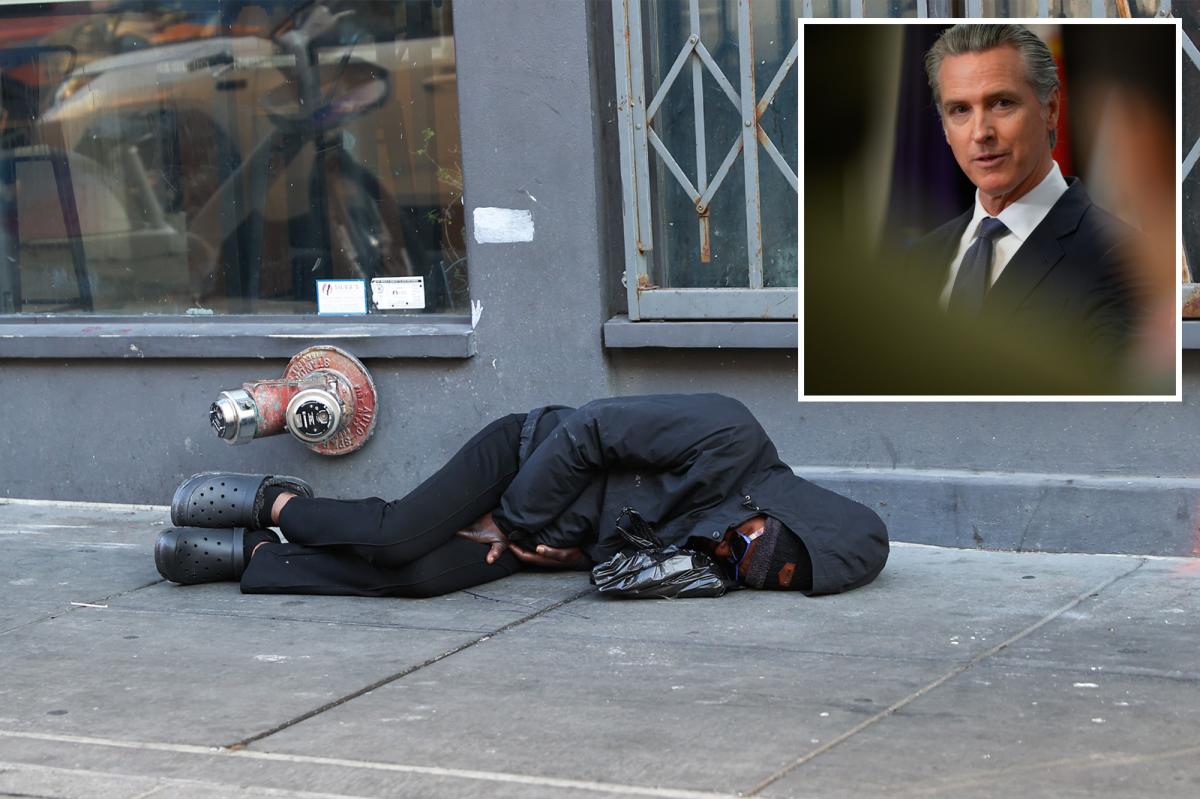


San Francisco is currently facing a significant challenge with a high number of fatal drug overdoses. According to recent data from the Centers for Disease Control and Prevention (CDC), the city ranks second nationwide, just behind Baltimore.
Despite the ongoing opioid crisis, federal statistics reveal a slight positive trend: the overall number of overdose deaths in San Francisco has started to decrease.
In 2025, the city experienced its lowest fatality rate from overdoses in five years.
However, San Francisco still ranks among the highest in the nation for per-capita overdose deaths.
City Supervisor Matt Dorsey commented on the concerning statistics and the uneven progress being made.
“Currently, we observe other counties making quicker improvements than San Francisco,” he shared with ABC7. “My hope is that we can take decisive action to eliminate the city’s appeal as a hub for drug-related criminal activity,” he emphasized.
Officials say a new strategy is taking shape, with public health leaders pointing to expanded treatment programs and intervention efforts aimed at getting people off the streets and into care.
Steve Adami, executive director of a Salvation Army homeless initiative, says one abstinence-based shelter program is showing strong results.
“The program is full, we’ve had no overdose deaths, no overdoses, 80% success rate,” Adami told ABC. “I feel like we are opening the right types of programs that will help people overcome addiction, overcome homelessness and reclaim their lives.”
The facility houses 58 people, who must follow strict rules: passing a breathalyzer on entry, adhering to a 9 p.m. curfew, undergoing security checks, and attending required meetings with onsite managers, all part of maintaining a drug-free environment.
“For years, we were very enabling,” Adami said. “We were approaching the drug and homeless crisis as if it was only a housing crisis. We weren’t really addressing why people were on the streets. That is what has changed now.”
Download The California Post App, follow us on social, and subscribe to our newsletters
California Post News: Facebook, Instagram, TikTok, X, YouTube, WhatsApp, LinkedIn
California Post Sports Facebook, Instagram, TikTok, YouTube, X
California Post Opinion
California Post Newsletters: Sign up here!
California Post App: Download here!
Home delivery: Sign up here!
Page Six Hollywood: Sign up here!
Meanwhile, the Department of Public Health says its upcoming budget will focus on expanding treatment capacity, even as the city faces a projected $643 million deficit that could balloon to $1 billion within five years, raising questions about long-term funding for overdose response efforts.
A new initiative, the RESET center, is set to open next month. Under the program, police will be able to take people found intoxicated or using drugs in public to the facility instead of jail, where they will receive treatment and support.
Despite recent improvements in totals, the crisis has reached staggering levels in recent years.
In August 2023 alone, San Francisco recorded 84 overdose deaths, with 66 tied to fentanyl, matching January as the deadliest month since tracking began in 2020.
That year saw a record 725 deaths. More than 560 people died that year, with another 300 projected by year’s end.
Residents have described conditions in parts of the city as resembling a “zombie apocalypse.”
City data shows overdose deaths have climbed steadily since 2017, peaking in 2020.
After a brief decline in 2021, fatalities rose again in 2022.
According to a September 2023 report from San Francisco city officials, law enforcement crackdowns on open-air drug markets in the Tenderloin resulted in the seizure of over 100 pounds of fentanyl and more than 1,000 narcotics-related arrests between June and September of that year.