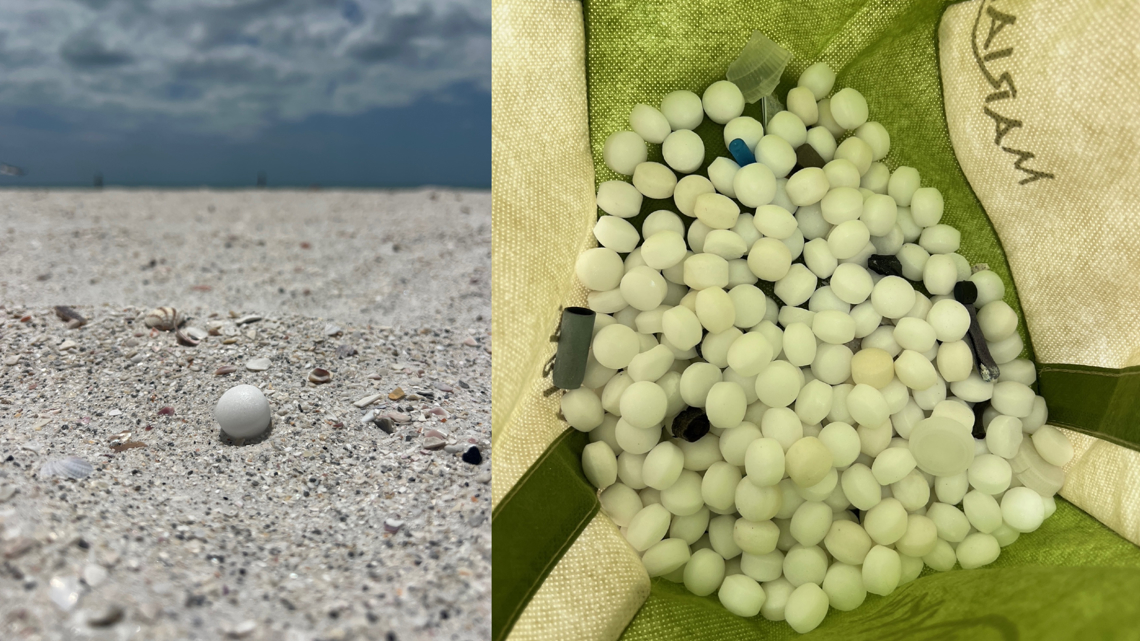

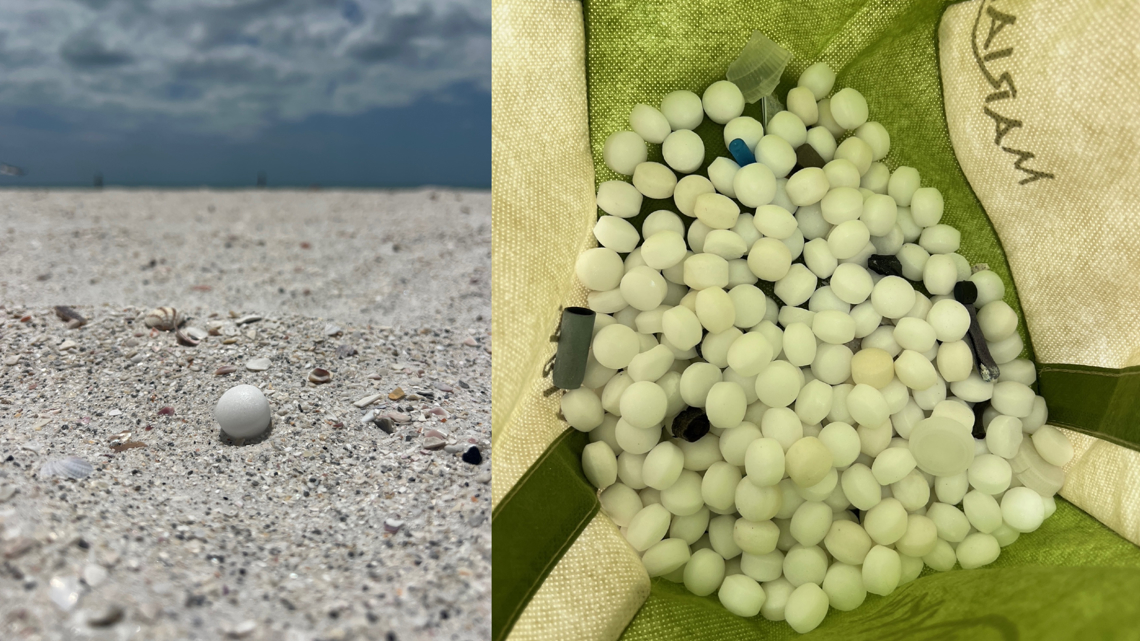
Florida authorities suspect that mothballs were scattered along the beach to keep wildlife at bay. However, the plan failed as protected birds were found nesting dangerously close to these toxic chemicals.
ST. PETE BEACH, Fla. — A peculiar scene—and an overpowering odor—greeted visitors at St. Pete Beach, prompting swift action from the Florida Fish and Wildlife Conservation Commission on Monday.
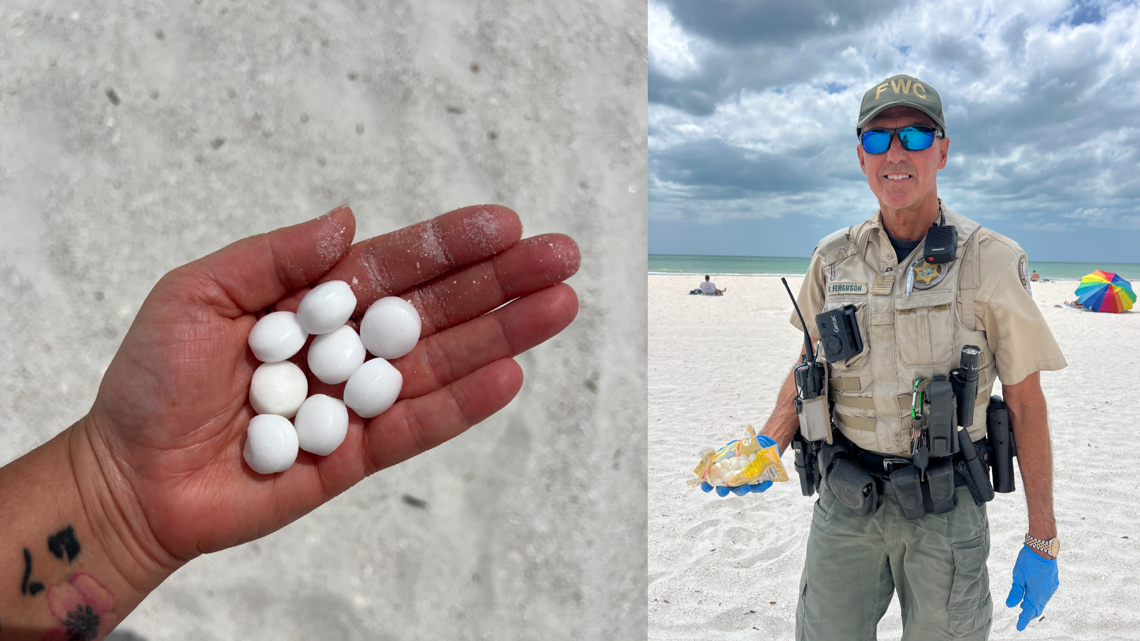
WTSP reported that hundreds of mothballs were discovered strewn across the sand near the Lido Residences on Gulf Boulevard.
FWC Officer Specialist Brian Ferguson noted that the hazardous white mothballs were scattered from the dunes to the water’s edge, extending approximately 50 yards both north and south of the condominium.
After receiving an anonymous tip, Officer Ferguson visited the site Monday afternoon. He explained to 10 Tampa Bay News that the mothballs were likely intended to keep birds and other animals away.
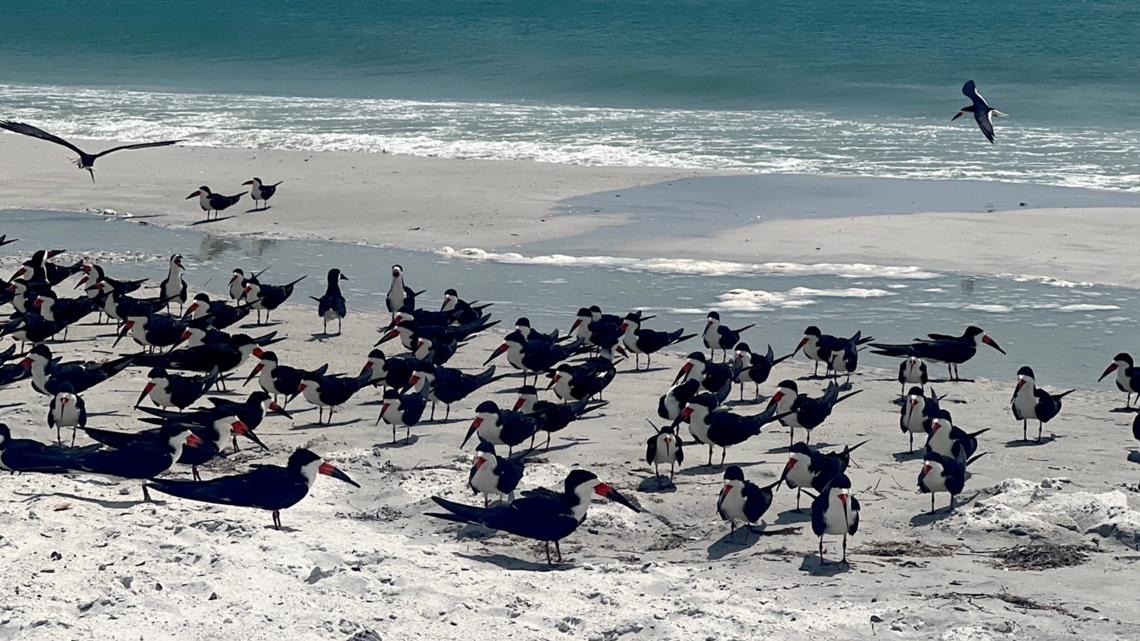
“I think they were put there to deter the protected skimmers on the beach,” Ferguson remarked. “But it didn’t succeed, as hundreds of these birds were sitting just inches from the mothballs, practically encircling them.”
Mothballs are made of high concentrations of chemical pesticides like naphthalene or paradichlorobenzene. They’re not only toxic to humans and wildlife, but they’re also illegal to use outdoors.
“It is considered a poison, and it’s regulated by the state and the feds, and it can be considered both a federal and a state violation if used inappropriately,” Officer Ferguson said. “Since they’re considered a form of poison, they’re highly regulated, and it’s toxic.”
Mothballs are only intended to be used indoors in airtight containers to control fabric pests. Regulated by the Environmental Protection Agency, they should never be used to repel rodents, snakes or other wildlife.
“Violators may be subject to administrative action, which includes fines up to $10,000 per violation,” the Florida Department of Agriculture and Consumer Services wrote.
Officer Ferguson was joined by volunteers from the Audubon Society and some generous beachgoers to pick up every mothball left in the sand. Now, he hopes investigators are able to track down the person responsible.
“If those skimmers or the seagulls thought that was an egg and wanted to eat the egg, or a grandkid picked it up and thought it was a certain candy, it could have very serious consequences,” he said.