Share this @internewscast.com
in brief
- Iran has lifted and then reimposed its own blockade of the Strait of Hormuz, creating economic chaos.
- It’s not clear if a planned second round of peace talks will go ahead on Monday.
On Monday, Iran’s foreign ministry criticized the United States for lacking a genuine commitment to diplomacy, highlighting what it perceives as “violations” of a recently established two-week ceasefire. The ministry clarified that there are no intentions to engage in a second round of discussions.
“Despite professing a desire for diplomacy and readiness to negotiate, the actions of the US convey anything but seriousness about pursuing diplomatic solutions,” commented ministry spokesperson Esmaeil Baqaei during a regular press briefing.
Baqaei pointed to several incidents as evidence of these violations, including a US assault on an Iranian cargo vessel, a naval blockade imposed on Iranian ports, and delays in enforcing the ceasefire in Lebanon.
The conflict between Iran, Israel, and the United States erupted on February 28 following the death of Iran’s supreme leader, Ayatollah Ali Khamenei, in a strike, which has since swept the region into turmoil.
Both Tehran and Washington participated in negotiations held in Pakistan, which did not result in a peace agreement, despite being conducted during a delicate two-week ceasefire starting on April 8.
On Sunday, US President Donald Trump announced he had instructed US negotiators to proceed to Pakistan for further talks on Monday. However, Iran has not yet confirmed its participation in these proposed discussions.
A White House official had said the US delegation would be headed by US vice president JD Vance, who led the war’s first peace talks a week ago and also include special envoys Steve Witkoff and son-in-law Jared Kushner.
Escalations over the weekend
Trump confirmed overnight that the US had seized an Iranian cargo ship that tried to run its blockade, and Iran has said it would retaliate, raising the possibility that the ceasefire between the two countries might not last for even the two days it was set to remain in force.
“We have full custody of their ship and are seeing what’s on board!” Trump said in a post on social media, adding that US forces blew a hole in the vessel’s engine room.
Meanwhile, Iran announced it would refuse to join a second round of peace negotiations, despite Trump’s warning of potential renewed airstrikes.
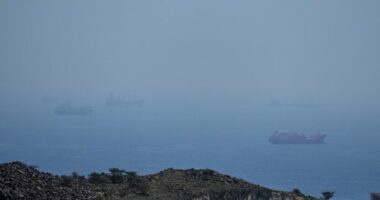
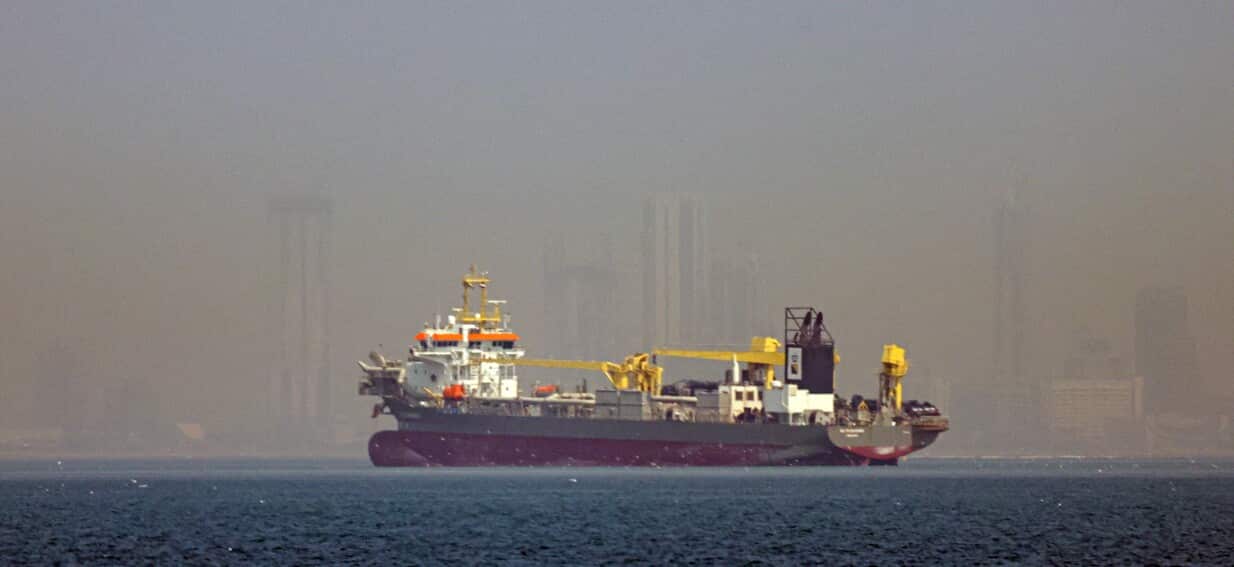
The ongoing maritime blockade, now in its third week, has continued to push global oil prices upward and shows little sign of easing, as Iran has lifted and then reimposed its own blockade of the Strait of Hormuz.
Iran’s military said the ship had been travelling from China.
“We warn that the armed forces of the Islamic Republic of Iran will soon respond and retaliate against this armed piracy by the US military,” a military spokesperson said, according to state media.
Iran’s state news agency reported Iran had rejected new peace talks, citing the ongoing blockade, the US’ shifting positions, and “excessive demands”.
Trump had earlier warned Iran that the US would destroy every bridge and power plant in Iran if they rejected his terms, continuing a pattern of such threats throughout the war.
Iran has said that if the US were to attack its civilian infrastructure, it would hit power stations and desalination plants of Gulf Arab neighbours.
Pakistan, which has served as the main mediator, appeared to be preparing for peace talks between the two countries.
Peace talks
Trump had said his envoys would arrive in Islamabad on Monday evening, one day before a two-week ceasefire ends.
Two giant US C-17 cargo planes landed at an air base on Sunday afternoon, carrying security equipment and vehicles in preparation for the US delegation’s arrival, two Pakistani security sources said.
Municipal authorities in the capital city of Islamabad halted public transport and heavy-goods traffic.
Barbed wire was rolled out near the Serena Hotel, where last week’s talks were held. The hotel has told all guests to leave.
The apparent diplomatic setback set the stage for a renewed surge in oil prices when markets reopened after the weekend.
Now in its eighth week, the war has created the most severe shock to global energy supplies in history, sending oil prices soaring because of the de facto closure of the strait.
Thousands of people have been killed by US-Israeli strikes on Iran and in an Israeli invasion of Lebanon conducted in parallel since the war began, after the Iran-back Hezbollah group struck Israel in retaliation.
Iran has responded to the US and Israeli attacks with missiles and drones against its Arab neighbours that host US bases.
For the latest from SBS News, download our app and subscribe to our newsletter.