
Australia’s Prime Minister Anthony Albanese has assured the nation that the country’s fuel reserves are stable, with a current stockpile sufficient for 46 days. However, he has not dismissed the possibility of implementing stricter measures should the global situation deteriorate.
Addressing the media after a National Cabinet session on Thursday, Albanese highlighted that Australia is maintaining its status at Level 2 of the national fuel security plan. While he emphasized there is no immediate threat of escalating the security level, he acknowledged the volatility of the current global scenario.
Albanese noted that Australia’s petrol supply has improved since the conflict’s onset in late February, increasing from 34 days to 46 days of reserves.
The Prime Minister also pointed out a shift in Australia’s fuel import sources, with a notable rise in imports from the United States, Argentina, and Algeria. Currently, approximately 18% of Australia’s fuel is sourced from the US, with Argentina’s contribution now in the double digits.
“Our focus is on diversifying our fuel import sources to ensure a steady supply, which remains our main priority,” Albanese remarked to the press.
The Level 2 status of the Australian National Fuel Security Plan, titled ‘Keep Australia Moving,’ is part of the government’s strategy to address the strain on fuel supply chains caused by the ongoing conflict in the Middle East.
Higher levels include more drastic measures, such as rationing.
‘Australia remains steady at Level 2 in our national fuel security plan that has been agreed to by National Cabinet,’ Albanese said.

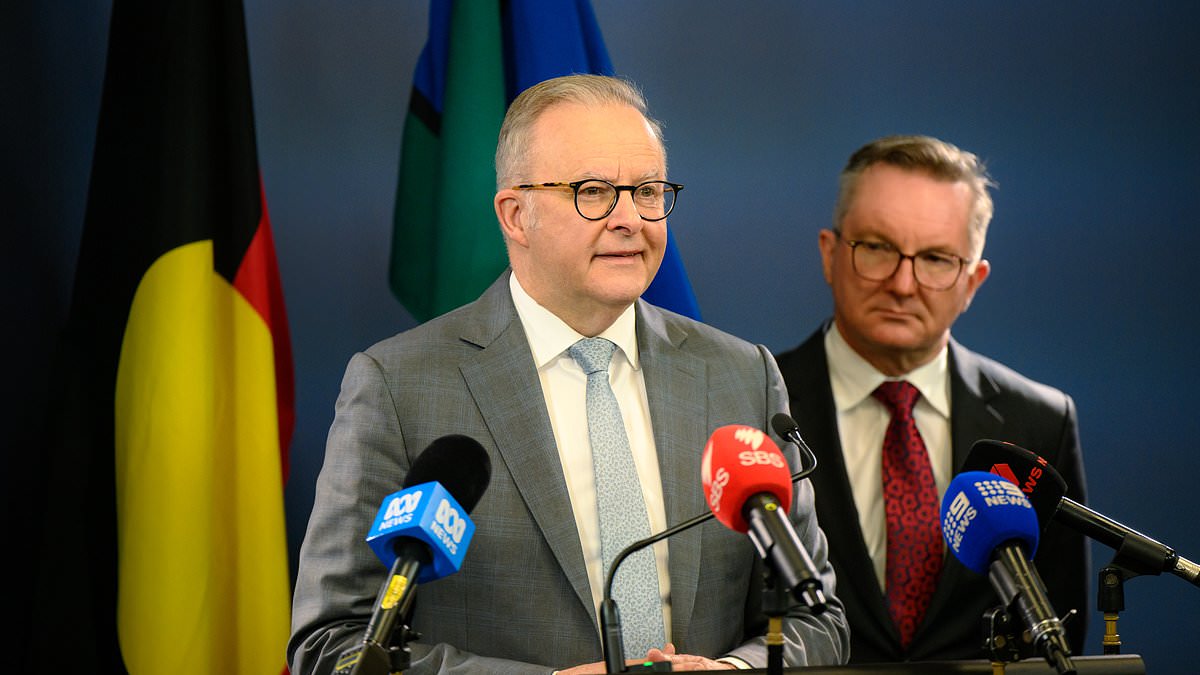
Anthony Albanese (pictured) revealed Australia has 46 days of fuel left, increasing from March levels
‘Australia’s fuel supply outlook remains secure in the near term. However, we’re working hard to prepare for contingencies in the event of supply disruptions in fuel and in fertiliser.’
The government has also moved to bolster fuel supplies directly, including underwriting diesel shipments through Export Finance Australia.
‘We’ve now had six cargoes of diesel, just a little bit over 300million litres, on their way to Australia as a result of the work that we’ve done,’ Albanese said.
‘We’ll continue to do what we can to see if there are further cargoes available for purchase in the spot market.’
One of the first cargo ships part of the deal signed with Asian nations, including South Korea and Brunei, arrived in Sydney at Port Botany on Thursday.
While refusing to speculate on whether Australia could move to Stage 3 of the fuel plan, the Prime Minister made it clear the government was preparing for all scenarios.
‘It’s certainly not imminent,’ he said.
‘But we are being straightforward with people – we are in uncertain times, and that’s just the reality.’

Anthony Albanese would not rule out stronger measures, if fuel supply deteriorated
While refusing to speculate on whether Australia could move to Stage 3 of the fuel plan, the Prime Minister made it clear the government was preparing for all scenarios.
‘It’s certainly not imminent,’ he said.
‘But we are being straightforward with people – we are in uncertain times, and that’s just the reality.’
Level 3 of the Australian National Fuel Security Plan, known as ‘Take Targeted Action’, would be activated if fuel supply disruptions persist.
‘If the conflict ends tomorrow and the Strait of Hormuz opens tomorrow, then there is a time lag before the economic consequences of what has happened over the last two months flow through the system. It takes time to clear the Strait to make it safe. It will take time for the ships that have been stuck in the Gulf to reach their destination, to unload, and then to travel back to receive more supply.
‘So there will be a long economic tail here.’
At this stage, the focus shifts to directing fuel to where it is most needed, such as freight, essential services and food supply chains, while encouraging Australians to voluntarily reduce fuel use.
Governments will intensify efforts to secure overseas fuel supplies and can release additional fuel from national reserves.
States and territories may adjust road‑use rules to improve efficiency and use existing powers to protect petrol station and bulk fuel supplies.