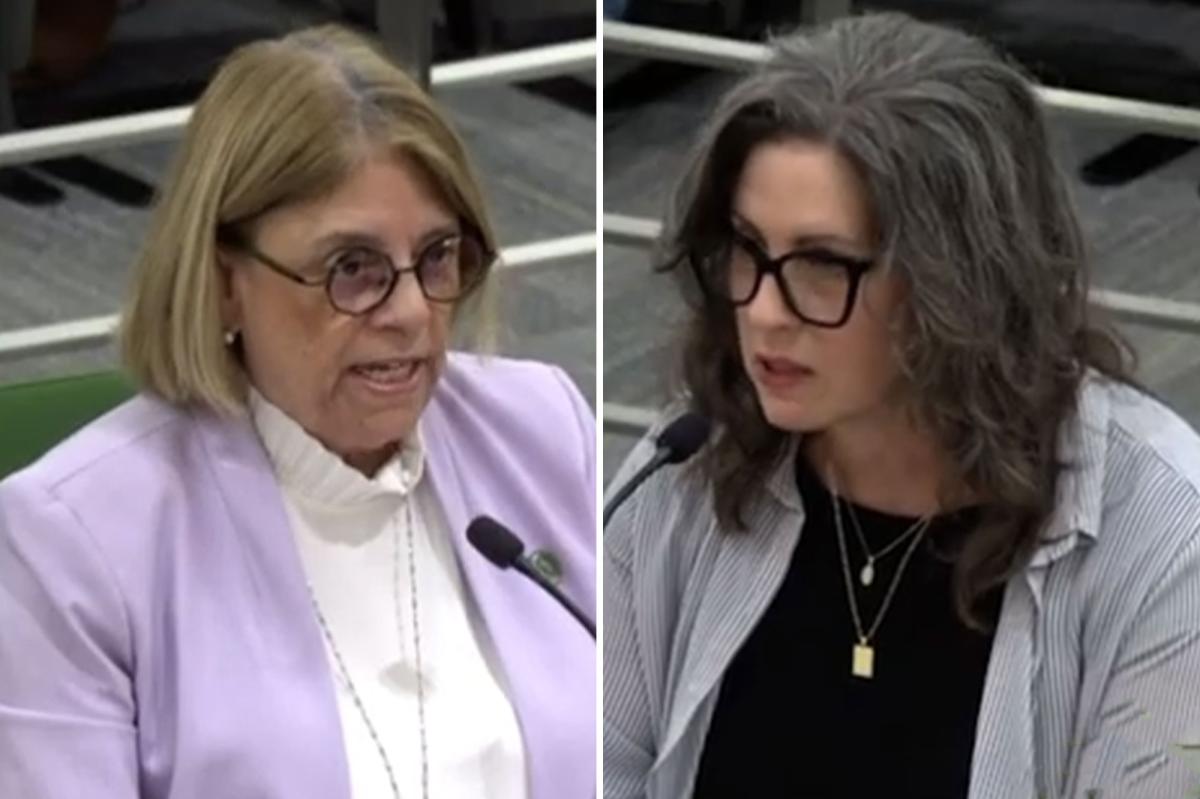


A contentious bill in California proposing a substantial expansion of abortion providers and the permissible stages of pregnancy for such procedures is making its way through the state legislature. This development follows its recent approval by a key committee, divided along party lines.
Introduced by Assemblymember Cecilia Aguiar-Curry, with coauthorship from Assemblymember Dawn Pellerin, Assembly Bill 1973 successfully moved past the committee stage last week. The bill is now slated for review by the Assembly Appropriations Committee, preceding a potential full Assembly vote.
The legislation aims to revise several sections of California’s Business and Professions Code, signaling a significant transformation in the legal framework surrounding abortion providers in the state.
Presently, the law permits nurse practitioners, certified nurse-midwives, and physician assistants to conduct specific abortion procedures, but only within the first trimester and primarily through limited methods like medication or aspiration.
AB 1973 proposes to eliminate the restriction to the first trimester altogether.
Should the bill become law, it would authorize these non-physician professionals to carry out “procedural abortions” beyond the early pregnancy phase, provided they are properly trained and operate within their professional competencies.
“This is gonna put women in California in danger and it’s going to be women in rural communities, and they don’t have access to doctors. It is going to affect women in poor places,” Greg Burt, president of the California Family Council, who testified against the bill, told the California Post. “You would think if you’re pro-choice, you would still be concerned and that safe abortions would be needed, but that is not the case.”
The legislation also broadens the terminology from specific methods to the wider category of “procedural abortion,” while requiring providers to demonstrate clinical competency through approved training programs.
Backers of the bill say it addresses ongoing gaps in access to abortion care, particularly in underserved areas.
“The reality is simple. We already have a workforce that is trained, qualified, and ready to provide this care, but they are restricted in their ability to do so,” said Aguiar-Curry who presented her bill to the committee. “Nurse practitioners, certified nurse midwives, and physician assistants, also known as advanced practiced clinicians APCs, receive extensive education and training.”
“They are already safely providing a range of reproductive health services in California today. They’ve demonstrated their competency and training, but state law has not kept up,” she added.
Tania Basu Serna, a licensed obstetrician and physician, also spoke in support of the bill during the hearing.
“The evidence is clear. Abortion care is safe, and appropriately trained advanced practice clinicians provide this care with the same safety, quality, and patient satisfaction outcomes as physicians,” she said.
Critics, however, argue the changes could put patients at risk — particularly in later-stage procedures that may involve higher medical complexity.
Mindy Hertzel, a registered nurse and Director of Clinic Operations at Sierra Pregnancy and Health, testified in opposition, citing her experience in high-risk obstetrics.
“Second and third trimester abortions are not simple procedures,” Hertzel told committee members. “Risks include hemorrhage, infection, uterine perforation, cervical laceration, amniotic embolism, and more, all of which are life-threatening. When complications occur, they escalate quickly and require immediate experienced interdisciplinary intervention.”
While the bill allows some providers to operate without direct physician supervision, it includes provisions requiring nurse practitioners and certified nurse-midwives to establish protocols for consultation, referrals, and transfers of care in complex or emergency situations.
AB 1973 is currently mid-way through California’s legislative process.
After being introduced in February, the bill was heard in policy committee, where lawmakers debated its merits and heard testimony from both supporters and opponents. With committee approval secured, it now moves to the Assembly Appropriations Committee, where lawmakers will evaluate its fiscal impact.
If it passes Appropriations, it would proceed to a full vote on the Assembly floor. From there, it would need to pass the State Senate and ultimately be signed by the governor before becoming law.
According to Bert, only one lawmaker attended the hearing where nurses and others testified in both support of and opposition to the bill — Assemblymember Mia Bonta, the wife of Attorney General Rob Bonta.
“Every other area of medicine holds firm on surgical training requirements,” Burt said. “No one in this building would propose letting nurse practitioners perform cancer surgery to expand access to underserved communities. The legislature would reject that immediately. So why does abortion get special exemption?”
The debate is unfolding within California’s broader abortion framework.
In the state, abortion is legal until fetal viability, generally considered to be between 24 and 26 weeks of pregnancy. After viability, abortions are permitted if necessary to protect the life or health of the pregnant person.
The issue has taken on added national significance since June 24, 2022, when the US Supreme Court overturned Roe v. Wade in Dobbs v. Jackson Women’s Health Organization. The 6–3 ruling ended nearly 50 years of federal abortion protections and returned authority over abortion laws to individual states.
With the bill now heading to the Assembly Appropriations Committee, lawmakers will weigh its financial implications before deciding whether to advance it further.
If approved, AB 1973 would continue through the legislative process in the coming months, setting up what is likely to remain a closely watched and deeply contested debate in Sacramento.
Download The California Post App, follow us on social, and subscribe to our newsletters
California Post News: Facebook, Instagram, TikTok, X, YouTube, WhatsApp, LinkedIn
California Post Sports Facebook, Instagram, TikTok, YouTube, X
California Post Opinion
California Post Newsletters: Sign up here!
California Post App: Download here!
Home delivery: Sign up here!
Page Six Hollywood: Sign up here!