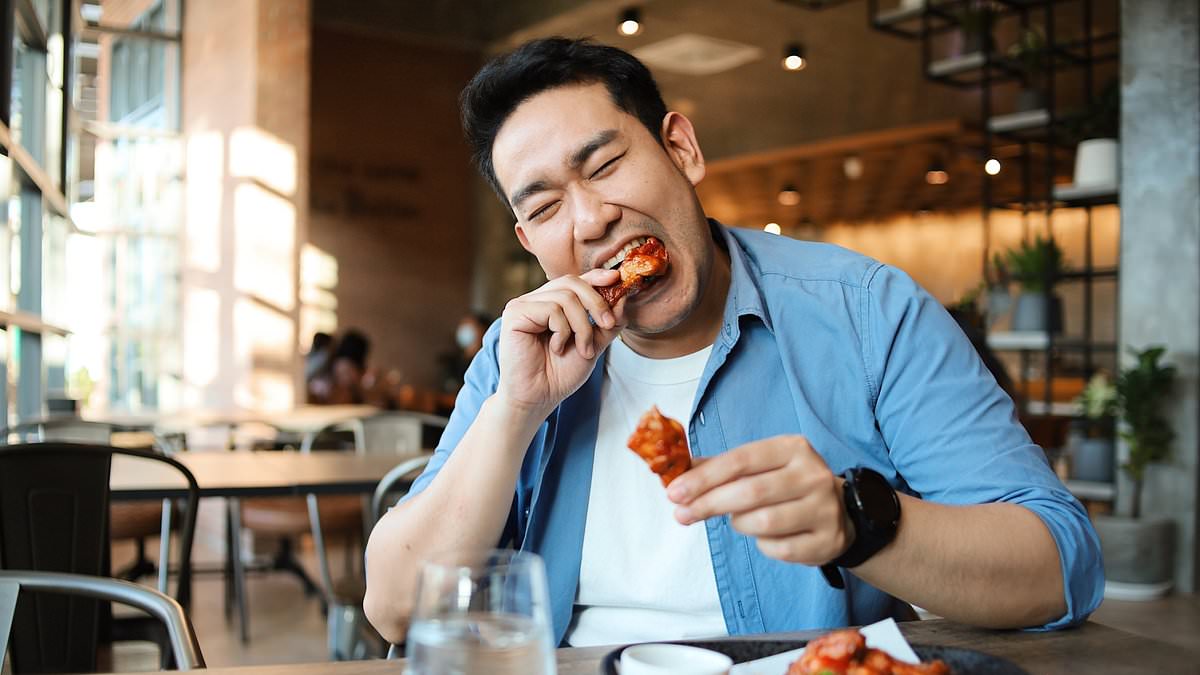

A well-known American sports bar chain is transforming the dining experience by eliminating what many once saw as indispensable: seating.
Buffalo Wild Wings has begun introducing new locations that lack tables, servers, and any dine-in options. This minimalist approach has stirred online discussions, with some expressing concern that it might herald a wider industry trend.
The chain is increasing its number of ‘BWW Go’ outlets, which focus primarily on takeout and delivery, diverging from the conventional sports-bar atmosphere that the brand is famous for.
Unlike the main venues, which are bustling with TVs, beer taps, and lively game-day crowds, these new locations center around a simple pickup counter. This shift highlights the rapid evolution of American dining preferences.
More patrons are opting to order via apps like DoorDash and Uber Eats rather than dining in, prompting chains to prioritize speed and delivery efficiency in their store designs.
However, this shift has sparked an online debate, with some individuals suggesting it indicates a more lasting change beyond mere convenience.
‘No tables. No waiters. No community,’ one user wrote on X.
‘Just a sterile pickup counter built exclusively for the gig economy.’

Buffalo Wild Wings is rolling out a new format with no tables, no waiters and no dine-in seating
Others went further, warning the trend could spread across the entire sector.
‘The corporate purge of the American dining room is accelerating,’ another post claimed.
One commenter said the shift would put them off the chain entirely. They replied on the thread: ‘I don’t patronize places where I can’t sit and eat. Any place that makes me carry food out doesn’t get my business. Buffalo Wild Wings would definitely lose my business if that happens here.’
Buffalo Wild Wings, founded in 1982 in Ohio and now operating more than 1,300 locations across the US, is far from alone. Chains including Wendy’s, Chipotle Mexican Grill and Starbucks have all been redesigning stores to prioritize pickup, drive-thru and delivery.
While chains like Panera Bread, Sweetgreen and Dunkin’ have been rolling out smaller, digital-first locations with no traditional dining rooms at all, designed almost entirely around mobile ordering and fast pickup.
Elsewhere, Potbelly Sandwich Shop introduced a smaller restaurant concept measuring around 1,800 square feet – roughly 500 square feet smaller than traditional stores – to cut costs and speed up build times.
Former CEO Bob Wright said, when the rollout took place, that the aim was to help franchisees offset rising inflation pressures.
‘Franchisees and some other brands have really struggled to offset inflation,’ Wright explained. ‘A smaller shop is cheaper to build and cheaper to maintain.’

Buffalo Wild Wings, which was founded in 1982 in Ohio, now has more than 1,300 locations across the US

Critics say the broader trend raises a bigger question: whether the traditional American sit-down restaurant is slowly being replaced by a fully digital, delivery-first model where dining rooms are no longer needed
Not everyone sees the shift as negative. Some commenters argue that removing dine-in spaces could improve safety and reduce in-store incidents.
One user wrote: ‘Can you blame them? They don’t want their dining rooms on YouTube every time someone can’t control their emotions and starts a fight.’
Another added: ‘The liability of having a room full of people these days is getting out of hand. Half these fast food spots turned into fight clubs – we see the videos all the time.’
Still, critics say the broader trend raises a bigger question: whether the traditional American sit-down restaurant is slowly being replaced by a fully digital, delivery-first model where dining rooms are no longer needed.
Daily Mail has contacted Buffalo Wild Wings and is awaiting comment around its new restaurant format.