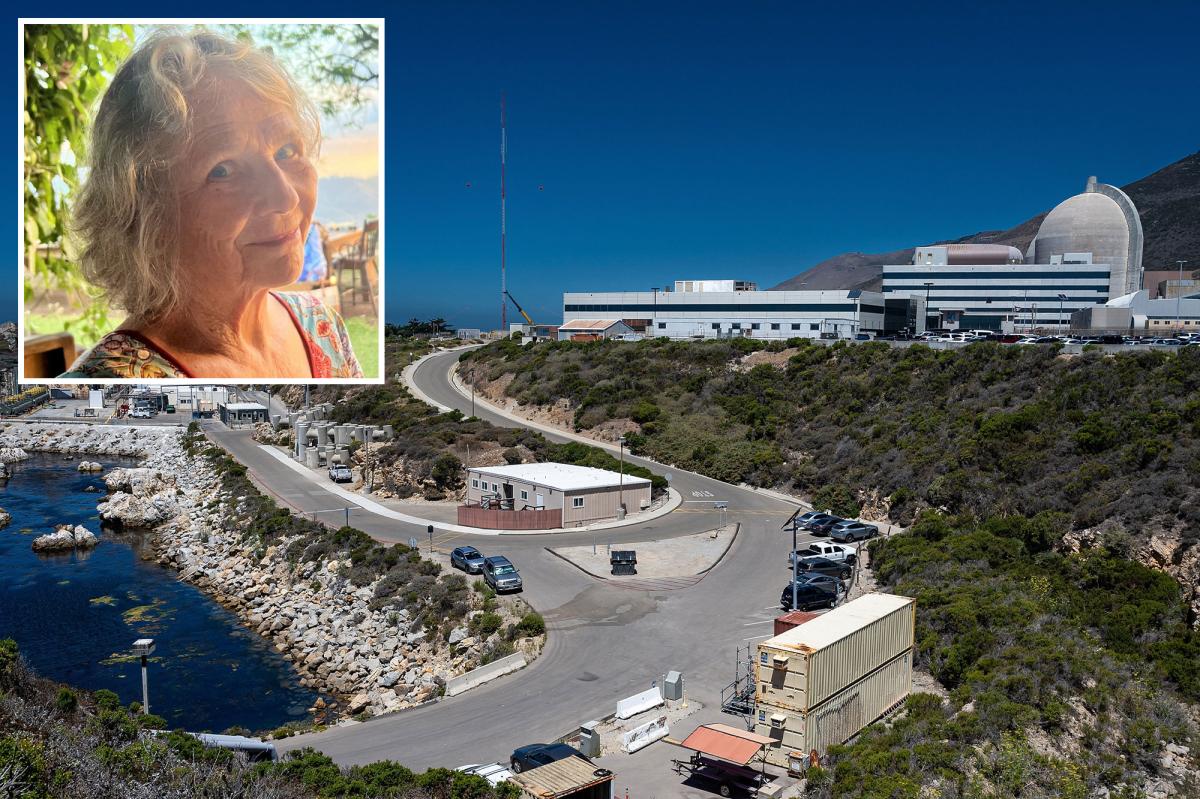


Have you ever been curious about what lies within California’s last operational nuclear power plant? Recently, PG&E offered KQED an exclusive tour inside this facility, which was once slated for closure in 2022 but has now been granted a lease of life until at least 2030.
Located in San Luis Obispo, the Diablo Canyon Power Plant is perched beside the warm waters of Diablo Cove. The plant operates by drawing in billions of gallons of seawater daily to cool its machinery, subsequently releasing the water back into the ocean at temperatures 16 to 17 degrees higher.
This region has become what officials term a “de facto marine sanctuary,” home to a vibrant array of marine life including sea otters, seals, stingrays, sea bass, and the garibaldi, California’s state fish. The area is protected, with fishing and similar activities prohibited within a 2,000-yard radius of the plant.
However, the plant’s operations have not been without controversy. Last year, the California Coastal Commission highlighted the detrimental impact of its cooling system, which reportedly results in the annual death of nearly two billion larval fish, as well as various other marine organisms.
Such losses are concerning as they threaten the delicate balance of local ecosystems. The commission emphasized the importance of these planktonic organisms, noting they form the foundation of the food web in California’s coastal waters. The implications of their decline could ripple through the entire marine environment.
The death of those fish can damage surrounding ecosystems, they said. “These planktonic organisms,” wrote the commission, “constitute the base of the food web in California’s coastal waters.”
KQED viewed a “protected area” close to the reactors like the turbine deck, which has gigantic turbines that generate electricity. The area is hot and loud, and very close to where uranium atoms are split for energy, generating a large amount of heat.
It’s also close to where the plant generates its key energy for Californians. The split atom’s heat warms water, which then releases steam that passes through the turbines and generates power.
The plant generates about 8.5% of California’s power.
The tour also involves a simulator, which helps employees train for catastrophic nuclear meltdowns. The area is a replica of the power plant’s control room. Simulators have been required for all nuclear power plants since 1979.
But there’s still plenty of concern that the plant will encounter disastrous circumstances.
Linda Seeley, vice president of Mothers for Peace, has protested the plant for decades. She’s worried the nuclear waste will affect future generations.
“As much as I would love it if nuclear waste were not toxic and lethal to a thousand generations in the future, that’s not the fact. The fact is that it is toxic,” she told KQED. The plant keeps the waste in wet storage for years within the plant before transferring it to reinforced dry casks bolted to the floor.
The group describes itself as “a non-profit organization concerned with the dangers posed by Diablo Canyon and other nuclear reactors, nuclear weapons, and radioactive waste.”
They’re concerned that the reactor of unit 1 is vulnerable to melting down.
“Unit 1’s reactor vessel was built with faulty material so is vulnerable to embrittlement. An embrittled reactor vessel can shatter like glass and cause a catastrophic meltdown. Despite this, PG&E has not tested for embrittlement for over 20 years – and the NRC has approved the exemptions,” they said on their website.
But PG&E is confident the waste is contained safely.
“It’s secured, it’s inspected, it’s audited, it’s sampled. I’m a fan of all energy sources, but I don’t know where solar panels are sent when they’re done, and batteries, and all of that,” Maureen Zawalick, senior vice president and chief risk officer at PG&E, told KQED.
Diablo Canyon is the state’s only power plant, and the U.S. Nuclear Regulatory Commission approved an application for it to operate until 2045. The California state legislature still needs to approve the 2045 extension, but its currently set to operate until 2030.
Gov. Gavin Newsom celebrated the plant’s extension, touting that it generates about 20% of California’s clean energy.
“When the Legislature and I partnered to extend Diablo Canyon’s operation past 2025, we made a commitment to Californians that tackling extreme weather and supporting a reliable grid are essential to building a safe, affordable, and resilient future for our state,” he said in a release.
A potential closure of the plant would have satisfied the anti-nuclear activists, but dried up another energy source for cost-strained Californians.