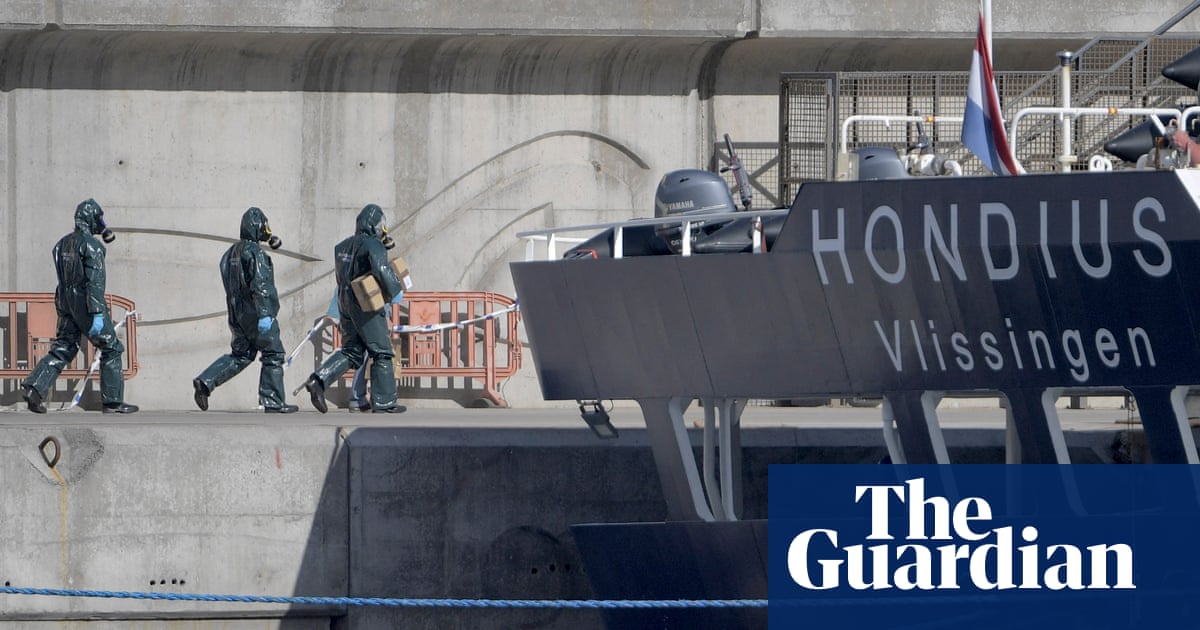

The Director-General of the World Health Organization has urged global preparedness for an anticipated rise in hantavirus cases. This announcement came as officials in Paris reported that a French woman aboard the MV Hondius had contracted the most severe form of the virus, requiring ventilator support.
Tedros Adhanom Ghebreyesus expressed gratitude to Spain for its “compassion and solidarity” in accepting the beleaguered cruise ship. He called on authorities to adhere to the WHO’s guidelines, which include implementing a 42-day quarantine and ensuring vigilant monitoring of individuals at high risk.
“Currently, there are no indications of a widespread outbreak,” Tedros stated during a press briefing in Madrid on Tuesday. “However, the situation remains fluid, and given the virus’s prolonged incubation period, further cases could emerge in the upcoming weeks.”
The MV Hondius, journeying from Argentina to Cape Verde, became a focal point of concern after three passengers—a Dutch couple and a German citizen—succumbed to the virus. While hantavirus typically spreads through wild rodents, human-to-human transmission is possible but rare, occurring only through close contact.
To date, the WHO has confirmed nine cases of the virus’s Andes variant, including a French and a US national who tested positive following their evacuation from the vessel.
Paris health authorities announced late Tuesday that the French patient had been transferred to intensive care, suffering from “the most severe form of cardiopulmonary complications.”
Dr Xavier Lescure told reporters the 65-year old had pre-existing conditions, but gave no further details. “She is on an artificial lung and a blood bypass to allow her, we hope, to get through this stage,” he said.
The Spanish health ministry said that one of the 14 Spaniards evacuated from the ship and put in quarantine at a military hospital in Madrid had tested positive for hantavirus and was showing symptoms.
“The patient who tested provisionally positive yesterday has been confirmed positive for hantavirus,” it said in a statement. “The patient presented with a low-grade fever and mild respiratory symptoms yesterday, but is currently stable and shows no evident clinical deterioration.”
Tedros, who was speaking alongside Spain’s prime minister, Pedro Sánchez, said more cases were likely to appear because of the degree of interaction between the passengers onboard the ship before the alarm was raised and the first case confirmed in a passenger on 2 May.
“We would expect more cases because, as you may remember, the index case – the first case in the ship – was on 6 April … [and] there was a lot of interaction, actually, with the passengers. And as you know, the incubation period is also six to eight weeks.
“So because of the interaction while they were still in the ship – especially before they started taking some infectious prevention measures – because of the interaction, we would expect more cases because of some of what happened during the travel.”
Tedros said individual countries were now responsible for their citizens after the evacuation, adding: “I hope they will take care of the patients and the passengers, helping them and also protecting their citizens as well. That’s what we expect.”
The UK Health Security Agency said 10 people from remote South Atlantic islands connected to the cruise ship outbreak of hantavirus are to be brought to the UK in case they develop the illness.
The group, from the UK overseas territories of Saint Helena, Ascension and Tristan da Cunha islands, are being “brought to the UK to complete their self-isolation as a precautionary measure” after being in contact with those affected, officials said.
It is currently unclear whether the group includes British nationals.
It comes as 20 British nationals from the MV Hondius, together with a German who is a UK resident, and a Japanese passenger, who have been isolating at Arrowe Park hospital in Wirral prepare to leave the facility.
The WHO chief also paid tribute to the Spanish government and the people of Spain for responding to the plight of those onboard the ship after authorities in Cape Verde refused it permission to dock. More than 120 passengers and crew members were evacuated from Tenerife in a carefully coordinated operation on Sunday and Monday.
“I’d like to thank Spain and, especially, Prime Minister Pedro Sánchez, for the outstanding leadership and coordination,” he said. “I know this is a model – and I hope other countries also learn from this – not just the obligation part but the compassion and solidarity that Spain has shown.” In a “divided and divisive world”, he added, “kindness and taking care of each other” were important.
Sánchez echoed the sentiment, saying: “This world doesn’t need more selfishness, nor more fear. What it needs is countries that show solidarity and want to move forward.”
The prime minister also offered his condolences once again to the family of a Guardia Civil officer who died of a heart attack while taking part in the evacuation on Sunday.
Despite objections from the regional government of the Canary Islands, Spain’s central government allowed the MV Hondius to anchor in port in Tenerife – and then, briefly, to dock – as it oversaw the evacuation operation.
France’s health minister, Stéphanie Rist, said on Tuesday that while it wasn’t currently clear whether the hantavirus strain involved in the outbreak may have mutated, officials were “rather reassured”.
Rist told the National Assembly: “There are things … we do not know about this virus. We do not yet have the complete sequencing of the virus, which allows us to say with certainty today, even if we are rather reassured to date … that this virus has not yet mutated.”
The final planes carrying passengers and crew left the Canary Islands on Monday night and arrived in the Netherlands early on Tuesday.
Dutch authorities said all 26 passengers onboard the first evacuation flight had tested negative for the virus. Two more repatriation flights landed later in the Netherlands, carrying 28 more evacuees who will also undergo quarantine.
A Dutch hospital quarantined a dozen members of staff on Tuesday after urine and blood from a patient with hantavirus were handled without using the necessary protocols. The 12 people would be quarantined for six weeks, a spokesperson for the Radboudumc hospital in Nijmegen said, adding that the infection risk was very low and patient care continued uninterrupted.
The MV Hondius, which refuelled and restocked in Tenerife, is now sailing back to port in Rotterdam with a crew of 25 as well as a doctor and nurse.
Reuters contributed to this report


