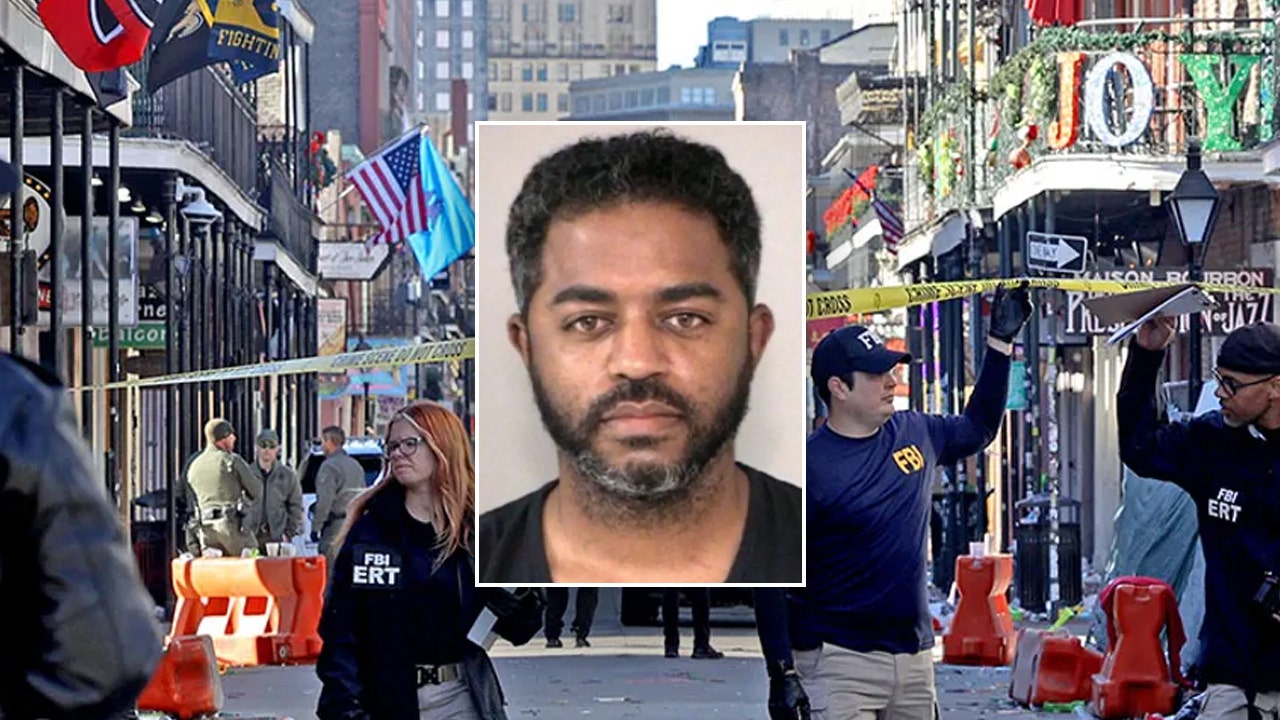

A Missouri resident is under federal investigation for allegedly transforming social media into a platform for bomb-making education. Authorities assert that his online guides were utilized by the perpetrator of the lethal New Year’s Day attack on Bourbon Street in New Orleans.
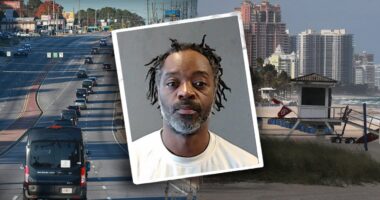
Jordan Derrick, a 40-year-old from Sweet Springs, Missouri, was taken into custody by the FBI on Tuesday. Prosecutors claim he disseminated comprehensive video tutorials online, instructing viewers on the creation of explosives, detonators, and improvised explosive devices using hazardous chemical substances.
A newly revealed criminal complaint indicates that Derrick dedicated several months to uploading explicit, step-by-step guides on producing explosive materials like TNT, PETN, and RDX. These compounds are notorious for their use in military-grade explosives and acts of terrorism.
Authorities state that Derrick began sharing this content on various social media platforms as early as September 2023, essentially crafting an online manual for constructing homemade bombs.
In connection with the investigation, the FBI has unveiled a new photograph of Shamsud-Din Jabbar, the suspect in the New Orleans attack from Texas, alongside information about his digital search activities.
The complaint accuses Derrick of providing instructions on creating detonators and highly volatile explosive compounds, such as nickel aminoguanidine perchlorate, ethylene glycol dinitrate, HMTD, hexamine dinitrate, and ammonium nitrate mixtures, all capable of inflicting massive destruction.
Federal authorities say the videos eventually reached Shamsud-Din Jabbar, the ISIS-inspired terrorist responsible for the deadly Bourbon Street attack in New Orleans Jan. 1, 2025.
According to investigators, Jabbar downloaded Derrick’s publicly available bomb-making videos and used the tutorials to construct improvised explosive devices consistent with the methods shown online.
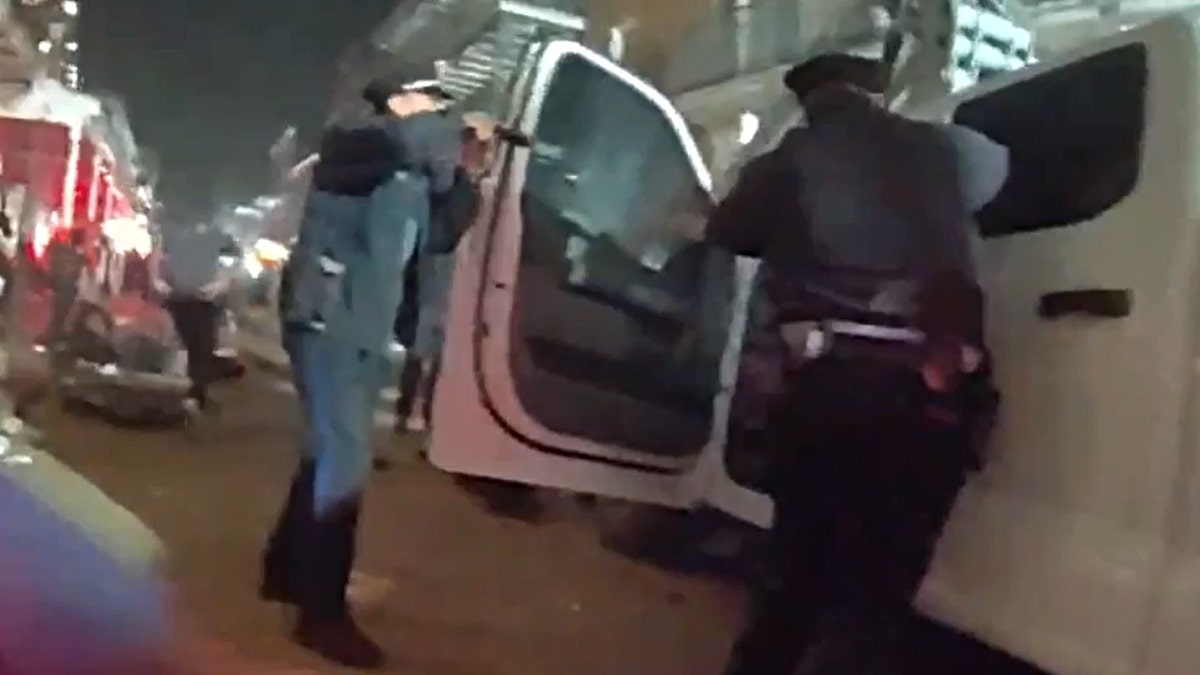
New Orleans police confront terrorist Shamsud-Din Jabbar on Bourbon Street in New Orleans on Jan. 1, 2025. (New Orleans Police Department)
The FBI previously said Jabbar killed 14 people and injured dozens more after driving a rented Ford F-150 through packed New Year’s crowds in the French Quarter during the early morning hours of Jan. 1 before opening fire on police officers, who shot and killed him.
Authorities later recovered improvised explosive devices near Bourbon Street that failed to detonate and were ultimately rendered safe by bomb squads, a development prosecutors now say may have prevented an even deadlier mass casualty attack.
The FBI has said Jabbar became increasingly radicalized online in 2024 and researched ISIS propaganda, previous vehicle attacks and crowded New Orleans events in the months leading up to the massacre.
Investigators also said Jabbar traveled from Houston to New Orleans weeks before the attack, where he scoped out the French Quarter, researched balcony access points and used Meta smart glasses to secretly record video while biking through Bourbon Street.
Hours before carrying out the Bourbon Street massacre, investigators say, Jabbar researched the deadly Christmas market attack in Germany.
But prosecutors now believe Derrick’s alleged online explosives empire reached far beyond New Orleans.
Federal investigators say they also linked Derrick’s bomb-making tutorials to a separate explosion at a home in Odessa, Missouri, earlier this month.
According to the criminal complaint, investigators responding to the May 4 blast discovered suspected explosive components inside the residence. The homeowner allegedly told authorities he learned how to build explosive devices by watching online tutorial videos connected to Derrick’s social media accounts.
That explosion remains under investigation.
Derrick was charged with manufacturing explosive materials without a license, unlawfully possessing an unregistered destructive device and distributing information related to the manufacture of explosives.
If convicted, Derrick could face up to 20 years in federal prison on the charge of distributing information related to manufacturing explosives, along with two additional charges carrying maximum penalties of 10 years each. Federal inmates are not eligible for parole.
The FBI is leading the investigation alongside federal prosecutors and the Justice Department’s National Security Division.
Derrick has not yet entered a plea.