

Recent consecutive increases in cash rates have significantly impacted some home buyers’ budgets, a new analysis by Canstar reveals.
During the first quarter of 2026, the average size of new national loans decreased from last year’s record highs. This decline is particularly noticeable in the major markets of New South Wales and Victoria, where property prices have been falling.
Alongside these market adjustments, many households are still grappling with the pressures of high living expenses, further stretching their financial limits.
According to data from the financial comparison platform, the downturn was mainly driven by owner-occupier borrowers, with the value of new loans dropping by $2.8 billion since the record-breaking quarter in December 2025.
Investors also showed restraint, with the value of new loans declining by $1.3 billion in the year’s first quarter.
Despite these reductions, Canstar notes that new lending levels remain significantly higher than the previous year, with an 18 percent increase across all loans. This growth was primarily fueled by investors, who saw a substantial 25 percent rise year-on-year.
However, Canstar data insights director Sally Tindall said borrowing appetite was still at elevated levels, with investors leading the charge.
“With growth at that pace, it’s easy to see why housing has become the focus in the federal budget, with the government under pressure to ease affordability constraints for younger Australians.
“First home buyers burst out of the gates at the tail end of last year, following the uncapping of the Home Guarantee Scheme in October.
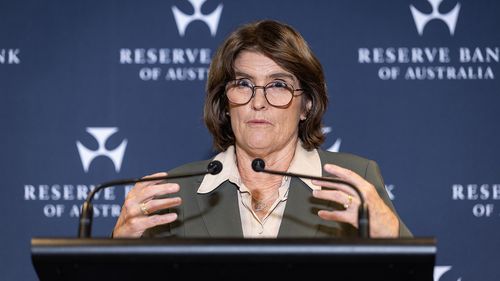
“However, the initial frenzy appears to be cooling on the back of the RBA’s return to rate hikes.”
Tindall said affordability remained the housing market’s Achilles’ heel.
“The softening in Sydney and Melbourne prices isn’t the golden ticket buyers were hoping for with the rate hikes eroding borrowing power much faster than prices are easing,” she said.
“The challenge for those first home buyers who did manage to buy last year at peak prices with wafer-thin deposits, is that price dips in cities like Sydney and Melbourne.
“The March quarter could mark the start of a more cautious phase for the property market, particularly if borrowers continue to face rising repayments and tighter household budgets.”
NEVER MISS A STORY: Get your breaking news and exclusive stories first by following us across all platforms.