

WASHINGTON – In a recent operation, the U.S. military targeted a vessel suspected of drug smuggling in the eastern Pacific, resulting in the deaths of two individuals. This action is part of an ongoing campaign by the Trump administration to combat alleged drug trafficking activities in Latin America.
This incident adds to a total of at least 207 fatalities resulting from U.S. military strikes on boats since the initiative against so-called “narcoterrorists” began in early September.
According to a statement from the U.S. Southern Command, these operations focus on well-known smuggling routes in the eastern Pacific and Caribbean Sea. However, the military has not provided concrete evidence of drugs being transported on the targeted vessel. A video shared on X captures a boat racing through the water before it erupts into flames.
President Donald Trump has framed this campaign as an “armed conflict” against Latin American cartels, asserting that these measures are crucial to curbing the drug influx into the U.S. and reducing overdose deaths. Yet, the administration has been criticized for not substantiating its claims of eliminating “narcoterrorists.”
There has been skepticism regarding the legality and efficacy of these strikes, particularly since much of the fentanyl leading to overdoses is trafficked overland from Mexico, where it is produced using chemicals from China and India.
These military actions have faced significant scrutiny from Democratic lawmakers and experts in military law, especially following the initial strike in early September, which raised alarms among those concerned with legal and ethical implications.
Two men on the boat initially survived the attack that killed nine others, and they were clinging to the wreckage when the vessel was struck again, killing them. The White House confirmed the follow-up strike, insisting it was done “in self-defense” to ensure the boat was destroyed and in accordance with the laws of armed conflict. But some legal scholars said a second strike killing survivors would have been illegal under any circumstance, armed conflict or not.
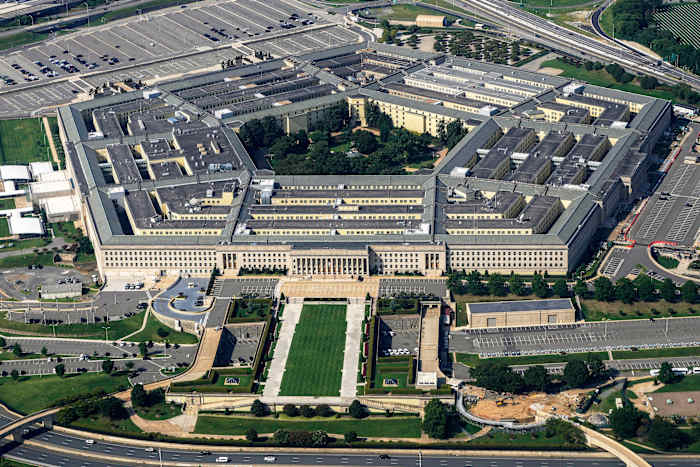
The Pentagon’s watchdog said in May that it plans to look into whether the U.S. military followed an established targeting framework when carrying out the strikes. However, the evaluation is focused specifically on what’s known as the six-phase Joint Targeting Cycle and not on the legality of the strikes, the inspector general’s office said.


