
In June, the European Union responded to growing concerns about illegal immigration, raised by both President Donald Trump and European citizens, by unveiling more stringent border entry regulations for its 27 member states.
The EU reached an agreement on new, tougher migration and asylum policies. These measures are aimed at ensuring that undocumented migrants entering the EU are processed efficiently, with those not meeting the asylum criteria swiftly transferred to deportation facilities in non-EU countries.
Individuals seeking asylum will undergo screenings to verify their identity, assess security risks, and evaluate their health status before being admitted into any asylum system. Border officials will now systematically monitor and document the entry and exit of non-EU nationals, employing biometric tools such as fingerprinting and facial recognition. Furthermore, all EU countries are mandated to cooperate and share relevant information.
According to the Associated Press, the provisional agreement reached by the EU’s principal institutions is set to be presented to EU legislators and governments, where it is anticipated to receive approval.
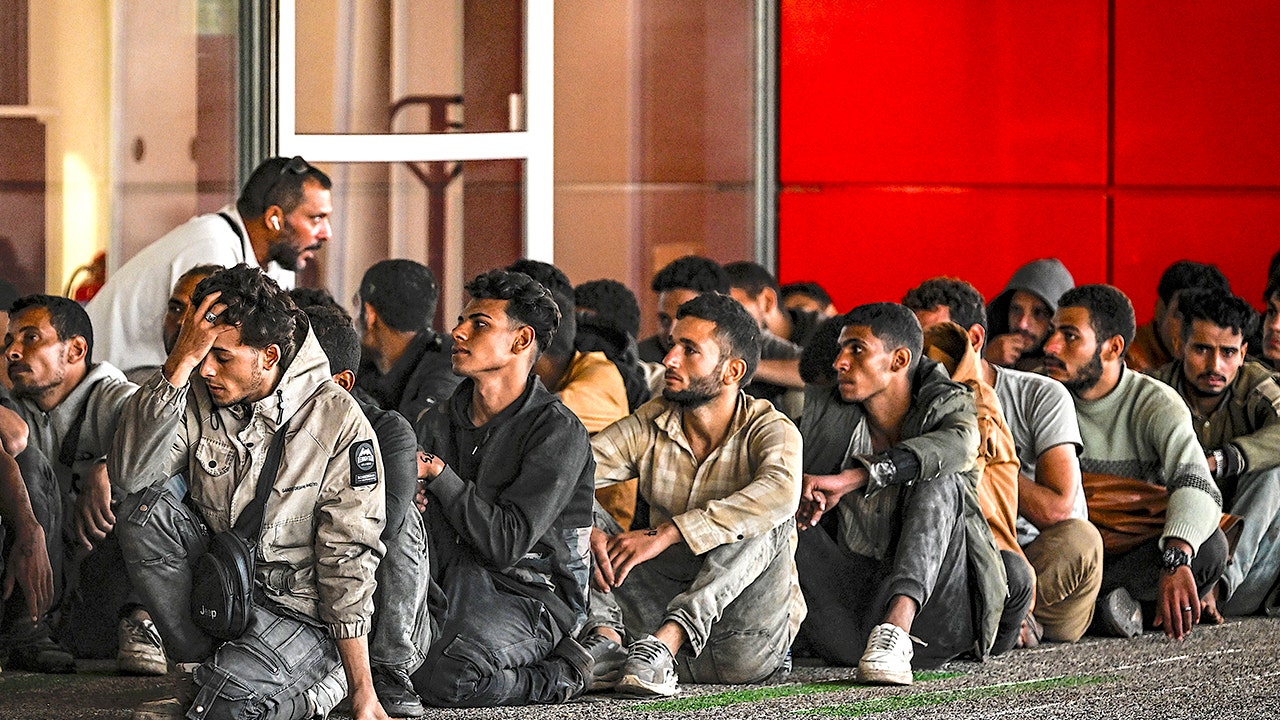
In a related event, Greek coast guard officers managed a group of predominantly male illegal migrants after they disembarked from a cargo ship at the port of Lavrio, south of Athens, on July 10, 2025. This group had been redirected from Crete, which has recently seen an influx of over 2,000 arrivals from Libya, causing concern among local authorities and tourism stakeholders. (Aris Messinis/AFP via Getty Images)