
ALEXANDRIA, Va. — A federal judge on Friday extended a court order blocking the Trump administration from creating and operating a proposed $1.8 billion settlement fund meant to compensate people who say they were harmed by a weaponized government.
Earlier this month, acting Attorney General Todd Blanche told Congress the administration was abandoning the fund after facing intense bipartisan criticism. Government lawyers have since argued that legal challenges to the plan should be dismissed as moot, but attorneys for the plaintiffs said Blanche’s statements alone are not enough.
U.S. District Judge Leonie Brinkema appeared to agree, ruling that the so-called Anti-Weaponization Fund will remain frozen until the court says otherwise.
“The government’s mootness argument, in my view, doesn’t go anywhere,” Brinkema said.
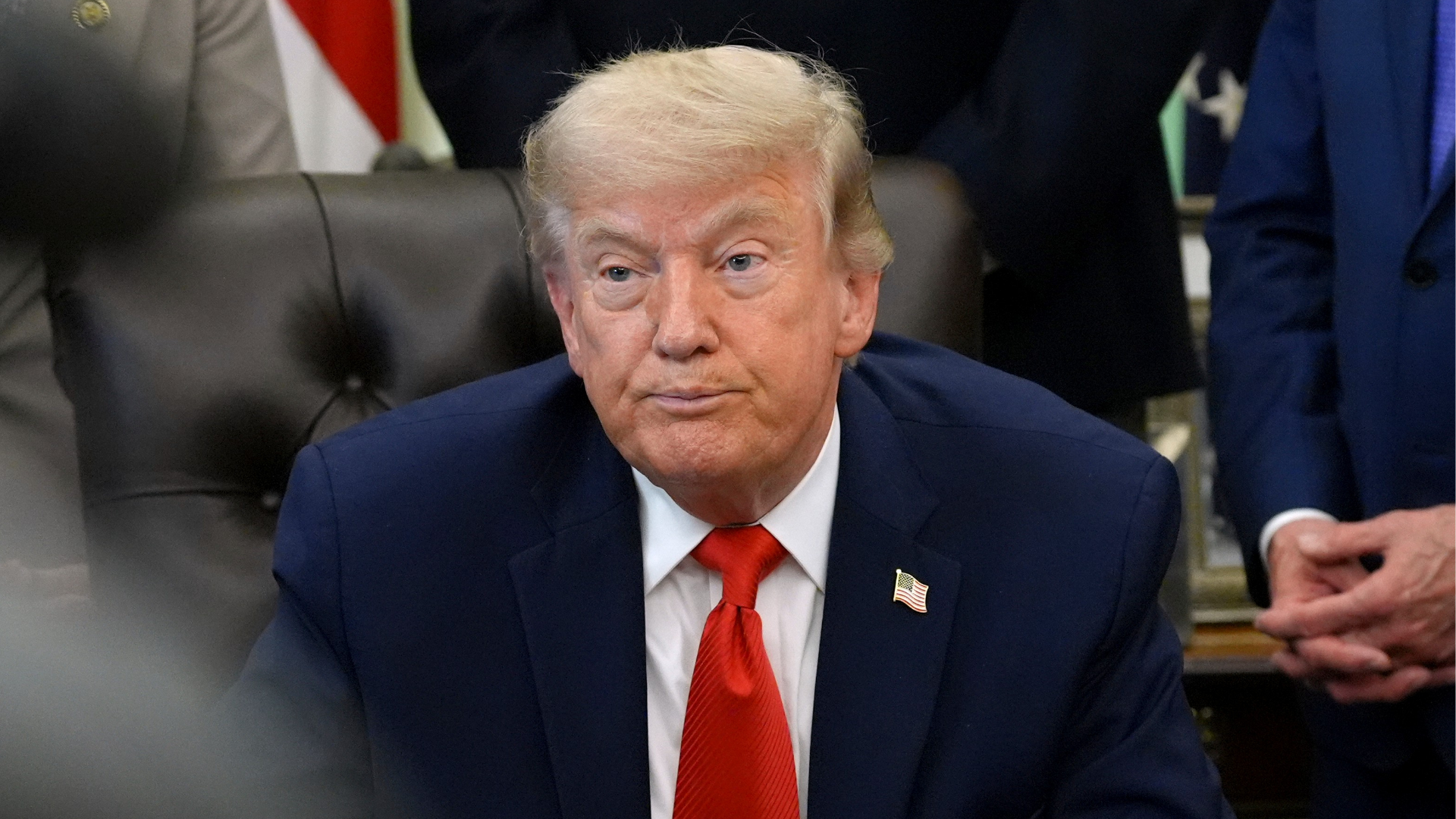
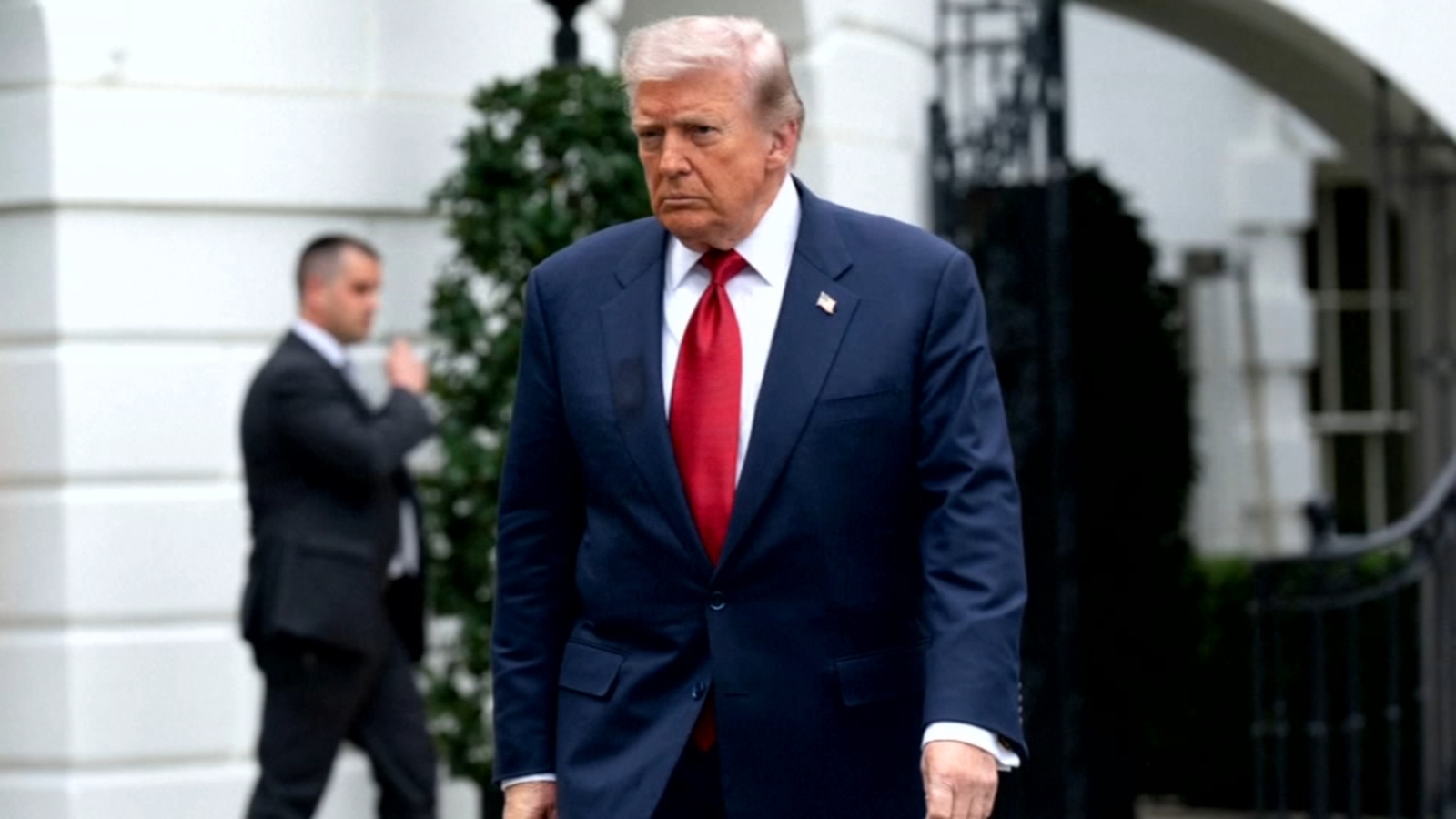
At the same time, President Donald Trump has not publicly offered a clear and unequivocal endorsement of canceling the fund, and he has continued to speak favorably about it in comments to reporters.
Brinkema gave both sides one week to work out an agreement under which Blanche would submit a sworn declaration stating that the administration will not revive the fund.
Brinkema previously agreed to temporarily block the administration from proceeding with the fund for at least two weeks. Her May 29 order was due to expire on Friday.
Trump’s Republican administration created the fund to resolve his lawsuit against the Internal Revenue Service over the leak of his tax returns.
Plaintiffs who sued to block fund payouts argue that the government can’t legally divert taxpayer money into what they argue is a slush fund for compensating Trump’s allies.
In a separate case on Wednesday, a different judge in Washington, D.C., rejected a government watchdog’s parallel request for a court order temporarily blocking the Trump administration from forging ahead with the fund. U.S. District Judge Richard Leon said he accepts Blanche’s representation that the fund is now moot.
Leon had asked Justice Department attorney Andrew Block why Blanche doesn’t formally rescind his May 18 order establishing the fund. Block said he didn’t know. He still didn’t have an answer to that question when Brinkema posed it two days later.
“It’s a huge gap in the record that we don’t have an answer to that question,” the judge said.
In the Virginia case, attorneys from the legal advocacy group Democracy Forward asked for an order to temporarily suspend the fund’s implementation and stop the Trump administration from disbursing any payouts from it.
The plaintiffs include a fired prosecutor and a college professor acquitted of assaulting federal agents at a protest.
Even before the administration said it was dropping the fund, the Justice Department did not form the five-member commission that would decide on payout criteria, so no money was paid out nor claims accepted.
Many of the Republican president’s allies are opposed to compensating rioters who stormed the U.S. Capitol on Jan. 6, 2021. In May, however, Blanche wouldn’t rule out the possibility that Capitol rioters who engaged could be eligible to apply for payments from the fund.
Trump issued mass pardons to Capitol rioters on his first day back in the White House last year. More than 1,500 people were charged in the Jan. 6 attack before Trump erased every case with his sweeping act of clemency.
Brinkema was nominated to the bench by President Bill Clinton, a Democrat.
Copyright © 2026 by The Associated Press. All Rights Reserved.