
ISLAMABAD — Pakistan said the United States and Iran have agreed to end the war and move toward reopening the Strait of Hormuz, a step that could ease pressure on the global economy more than three months after the conflict began.
Key details of the agreement were not immediately released. The signing is scheduled for Friday in Switzerland, though it remains unclear how soon the strategic waterway will fully reopen to commercial traffic. The United States had previously indicated it would scale back its blockade of Iranian ports as access through the strait is restored, while also easing sanctions to let Iran expand oil exports and support its damaged economy.
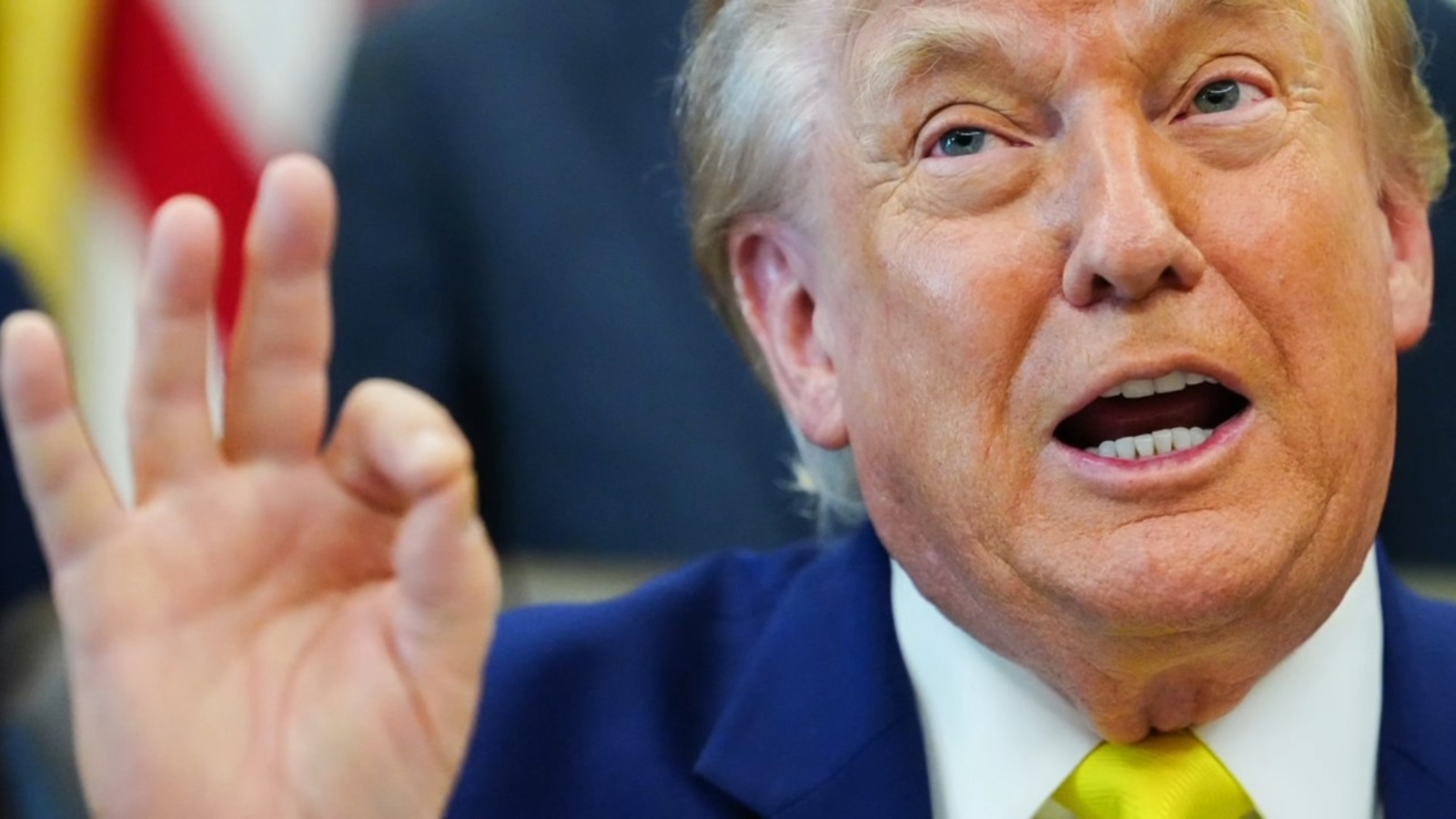
U.S. President Donald Trump also confirmed that an agreement with Iran had been reached, saying he had authorized an end to the U.S. naval blockade of Iranian ports in the Strait of Hormuz.
“Congratulations to all!” Trump wrote on social media, offering no further specifics. He added: “Ships of the World, start your engines. Let the oil flow!”
Iranian state media carried Pakistan’s announcement after a day of heightened tension in the region, as Israel — excluded from the negotiations — launched strikes on Beirut’s southern suburbs, raising concerns about the talks just as they appeared close to conclusion.
“Both sides have declared the immediate and permanent termination of military operations on all fronts, including in Lebanon,” Pakistan said. It added that mediators will convene meetings this week to “lay the foundation for the technical talks.”
The deal largely returns to a status that existed before the war, but with thousands of people dead and Iran wielding a new source of negotiating pressure with its ability to influence transits of the strait. The waterway is crucial to significant shipments of oil, natural gas and related products like fertilizer, and its effective closure rocked the global economy.
Of the stated targets by the U.S. and Israel when they launched the war on Feb. 28 with strikes that killed Iran’s supreme leader, Ayatollah Ali Khamenei, Tehran still has a missile program, support for armed proxies in the region like Hezbollah in Lebanon and a stockpile of highly enriched uranium for its nuclear program.
Khamenei’s son is now supreme leader, though he has not been seen in the public since the war began. His approval was needed for Iran to sign off on the deal.
Iran has wanted a ceasefire deal to include the fighting in Lebanon, where Israel has pushed its invasion deeper than at any point in over a quarter-century as it targets Hezbollah. Tehran also has sought the release of billions of dollars in frozen funds.
The emerging deal had been sharply criticized by Israel’s government, and by critics in Trump’s own Republican Party. Some said it did not improve on the terms of the 2015 Iran nuclear deal that Trump withdrew the U.S. from during his first term and still describes as “bad.”
After the war began, Iran attacked Israel and several Arab Gulf nations with missiles and drones. A ceasefire was reached on April 7. Ten days later, the U.S. military imposed its blockade. A historic face-to-face meeting between Vice President JD Vance and Iranian parliament speaker Mohammad Bagher Qalibaf ended without success.
Throughout negotiations, Trump alternatively threatened to destroy Iranian infrastructure, even its civilization, and praised the relationship with Iran as “more professional” as his administration sought an exit from the war with midterm U.S. elections coming later this year.
Iran’s government, with its own tensions around hardliners as it scrambled to replace several top officials killed in the war, repeatedly expressed wariness of negotiations after rounds of talks last year and early this year ended with U.S. and Israeli attacks.
Tehran has emphasized that it wanted a deal to focus on ending the war, with discussions put off until later on its nuclear program – the issue at the center of it all.
Iran has 440.9 kilograms (972 pounds) of uranium that is enriched up to 60% purity, a short, technical step from weapons-grade levels of 90%, according to the International Atomic Energy Agency.
Iran has long maintained its nuclear program is peaceful and has not publicly committed to giving up the enriched uranium, which is believed to be buried under three nuclear sites that were badly damaged by U.S. strikes last year.
At times, the U.S. had sought the removal of the enriched uranium from Iran as part of a deal. Russia has offered to take it. At other times, Trump said he wanted the uranium destroyed.
Frankel reported from Jerusalem, Magdy from Cairo, Sewell from Beirut and Weissert from Washington. Associated Press writers Munir Ahmed in Islamabad and Melanie Lidman in Tel Aviv, Israel, contributed.
Copyright © 2026 by The Associated Press. All Rights Reserved.