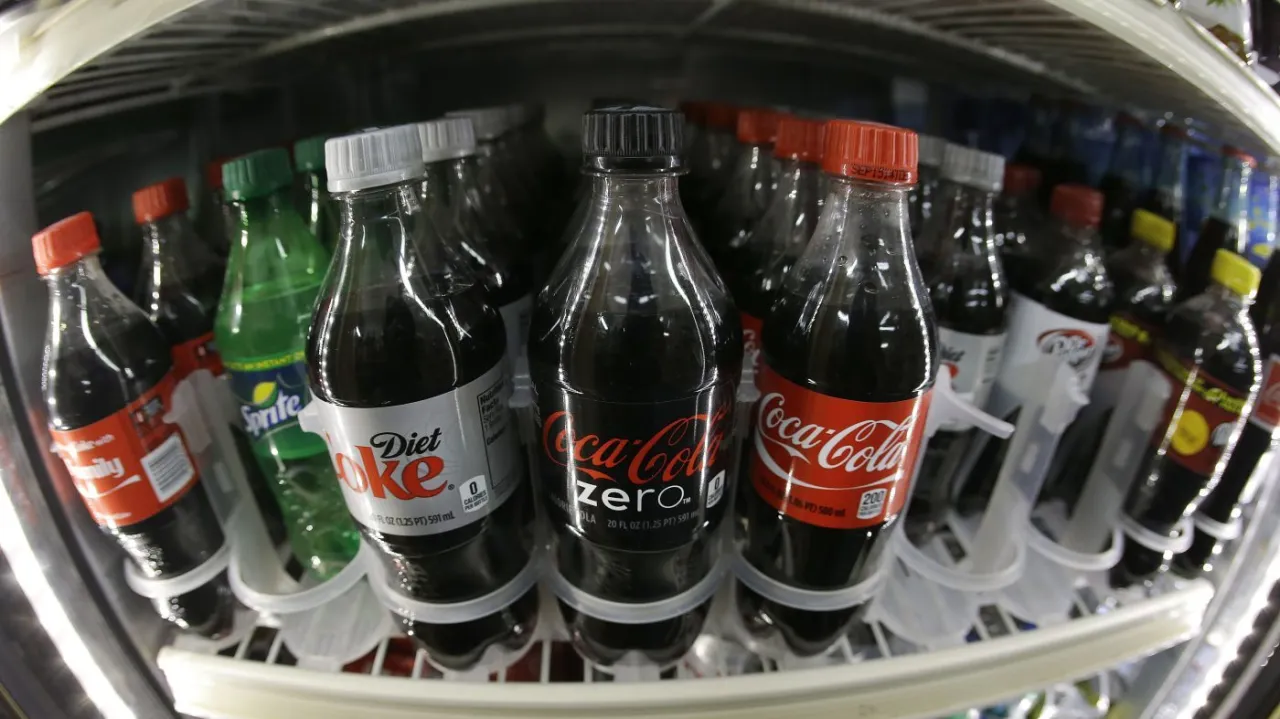


(The Hill) — A federal judge on Monday halted efforts by the Trump administration and multiple states to bar Supplemental Nutrition Assistance Program (SNAP) recipients from using benefits to purchase soda, candy and other items labeled as unhealthy.
The push gained momentum late last year, when Health Secretary Robert F. Kennedy Jr. and Agriculture Secretary Brooke Rollins encouraged states to remove certain foods from the $100 billion federal nutrition program. The effort aligned with Kennedy’s “Make America Healthy Again” campaign, and he has publicly backed limits on what SNAP dollars can buy.
Several states sought federal permission last year to bypass U.S. Department of Agriculture (USDA) rules governing eligible SNAP purchases, according to a court filing. The agency granted those requests, but U.S. District Judge Amy Berman Jackson’s ruling revoked the approvals.
Rollins criticized the decision Tuesday on the social platform X, writing that “an activist judge just blocked our commonsense restriction on using SNAP benefits for soda and junk.”
“SNAP is for food — not sugar bombs fueling obesity, diabetes, and skyrocketing healthcare costs for low-income families.”
The restrictions have been closely tied to HHS Secretary Robert F. Kennedy Jr.’s “Make America Healthy Again” platform, with Kennedy repeatedly praising efforts to narrow the list of products that can be purchased through SNAP.
Supporters argue the limits could promote healthier choices, but critics say the policy raises concerns about discrimination, added costs and unfair treatment of low-income shoppers.
Here’s what to know about the debate over proposed SNAP purchasing restrictions:
Stigmatization
Some who are opposed to SNAP restrictions argue that they will raise the stigma around the SNAP program and result in increased discrimination against recipients.
“By reinforcing the narrative that SNAP participants can’t be trusted to make food choices for their families, I have no doubt that this discrimination will intensify,” Kate W. Bauer, a professor of nutritional sciences at the University of Michigan, wrote in an April article.
“This stigma harms both mental and physical health, adding another burden to those already struggling,” she added.
A piece titled “Let Them Eat Cake: Why We Must Oppose SNAP Food Choice Restrictions” in the Georgetown Journal on Poverty Law and Policy from April also argued that “singling out people who receive SNAP, policing their shopping carts, and delaying their purchases at the register” as a result of the restrictions would cause a reduction in those involved in the program.
The financials
Researchers have argued it would be expensive for the federal government to track all the hundreds of thousands of food and beverage products on the market plus the 20,000 introduced each year, according to economic policy researcher Diane Whitmore Schanzenbach’s 2017 testimony before the House Committee on Agriculture.
“Imposing new restrictions on SNAP would require expensive new infrastructure for the U.S. Department of Agriculture (USDA), grocery stores, and other retailers. Taxpayers would foot the bill to expand USDA’s capacity to patrol grocery transactions,” the Georgetown Journal on Poverty Law and Policy piece argued.
Health effects
In her 2017 congressional testimony, Schanzenbach also said that researchers have long argued that restrictions on SNAP are unlikely to change people’s eating patterns.
Bauer, the University of Michigan professor, wrote in her April piece that trials and “an increased understanding of individuals’ experience of food insecurity” demonstrate that SNAP restrictions would have the opposite of the desired effect by not promoting a healthful lifestyle and “would have unintended, negative consequences.”
“Specifically, randomized controlled trials that have tested the effects of different limitations or incentives on SNAP purchases demonstrate that, while soda purchases may decrease when SNAP benefits are restricted, there are no meaningful differences on individuals’ overall dietary intake,” she added.


