A jury deadlock in the case against the man accused of igniting the blaze that preceded the Palisades Fire has intensified concerns that ideology may be influencing deliberations — and one former prosecutor says that dynamic could matter in Luigi Mangione’s upcoming trial.
On Friday, a federal judge declared a mistrial for Jonathan Rinderknecht, who is accused of intentionally setting the fire linked to the Palisades disaster, after jurors could not agree on a verdict. Rinderknecht was arrested in October 2025 and charged with destruction of property by means of fire; he later pleaded not guilty. According to reports, 10 California jurors favored acquittal, while two believed he was guilty.
After the mistrial was announced, a woman identifying herself as juror number four told reporters there was “no proof” and argued that a retrial — which prosecutors intend to pursue — would be a “waste of our American dollars.”
Former federal prosecutor Neama Rahmani told News Agency the outcome may reflect jury nullification, though he also pointed to another reason jurors may have been reluctant to convict Rinderknecht.
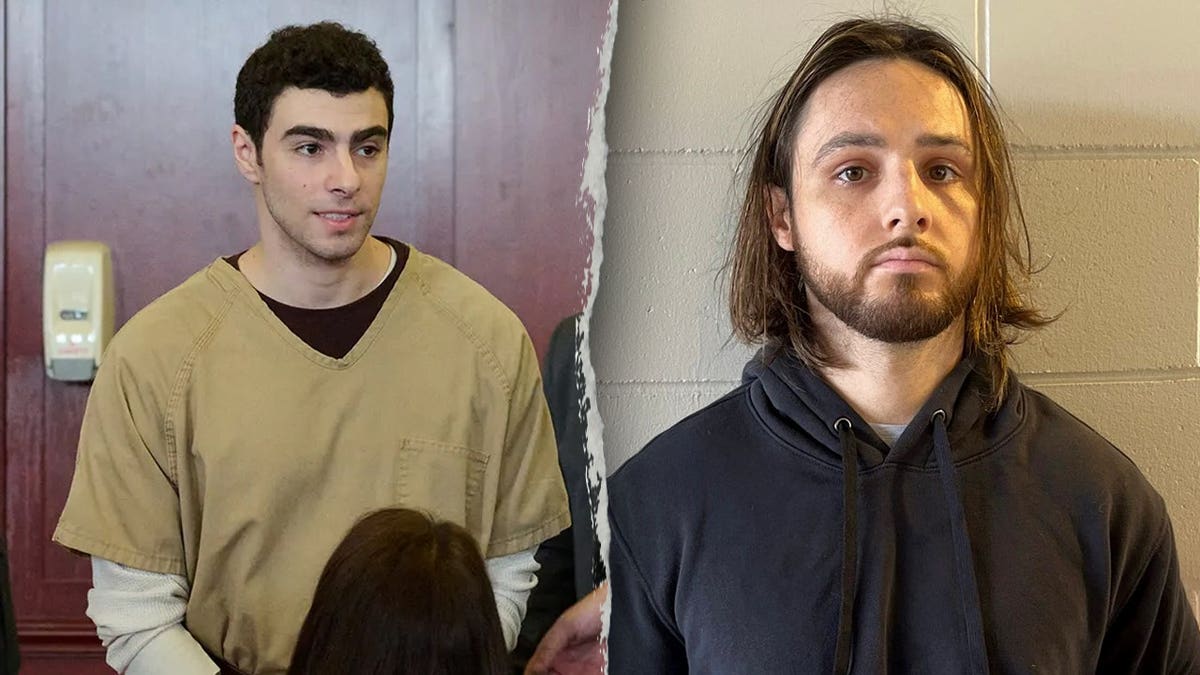
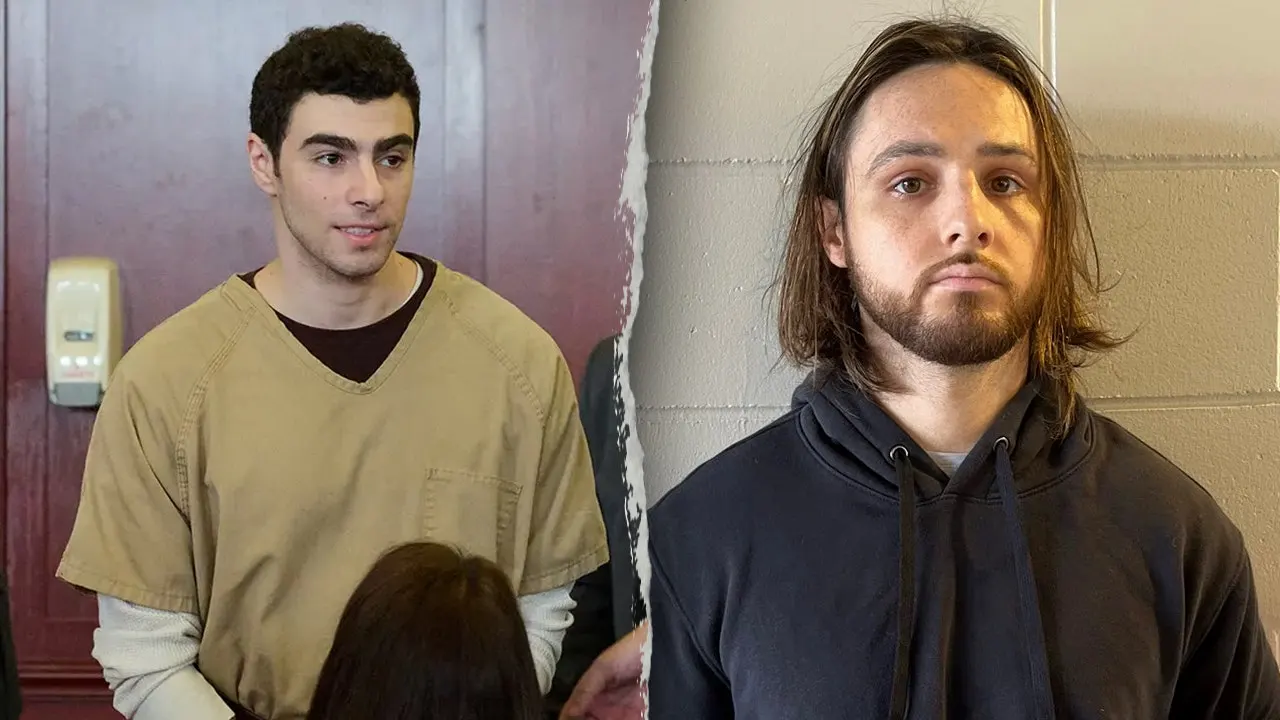
Left: Luigi Mangione in court. Right: Jonathan Rinderknecht in a booking photo. (Curtis Means for DailyMail/Pool and Department of Justice)
“This could be a case of jury nullification, or it could be a case where the jurors are blaming other people, or government, folks like Karen Bass, the Los Angeles Fire Department,” Rahmani said. “In this particular case, it took nine months for the Department of Justice to arrest and charge Jonathan Rinderknecht. And during that time, many Angelenos who lost their homes, and there are 12 people who died, were pointing the finger at our local officials saying that they were not prepared for the high winds and ultimately the most devastating fire in California hit us.”
Rahmani said frustration with local leadership may have shaped the Rinderknecht deliberations, but he suggested the Mangione case carries a more obvious risk of nullification. Mangione is accused of killing UnitedHealthcare CEO Brian Thompson outside a Manhattan hotel in December 2024, a case that sparked significant public sympathy for the alleged shooter.
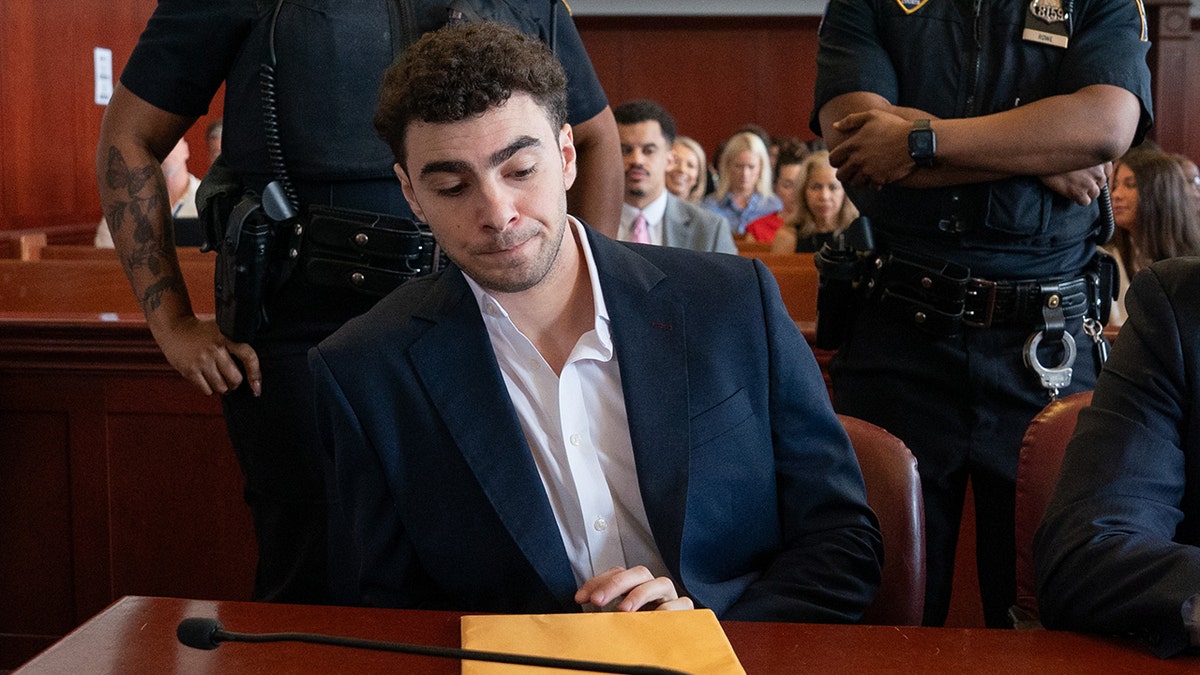
Luigi Mangione appears at a pretrial hearing in Manhattan Criminal Court in New York City on June 17, 2026. (Pool via Barry Williams for New York Daily News)
With Rinderknecht’s retrial set for mid-October, around the same time Mangione’s federal trial could get underway, Rahmani warned prosecutors have little time to prepare for what he called an unprecedented jury threat.
“I do think the prosecution should be concerned about jury nullification in the Luigi Mangione case. He’s probably the most popular accused murderer I’ve ever covered in my 25 years of practice,” Rahmani said. “And depending on the surveys that you read, anywhere from 10 to 20% of people believe that he was justified in what he did.“
He pointed out that Mangione just needs one person out of a 12 person jury to be sympathetic, and the numbers are in his favor.
“The reason why that’s an important number is that you just need one out of 12 jurors if you’re the defense. That’s 8%. Mangione is a good looking guy, he is smart, he comes from a wealthy family and there’s a line of people outside that courtroom every time he makes an appearance,” Rahmani said. “Both the feds and the Manhattan DA’s office has to be very careful during jury selection and make sure that they remove any sympathetic Mangione jurors from the panel.”
Even if the feds and Manhattan District Attorney’s Office successfully remove sympathetic Mangione jurors from the panel, a different threat is still present, the former prosecutor said: stealth jurors.
Stealth jurors — those who hide their true biases to influence a verdict — could pose a serious problem for prosecutors in either of Mangione’s cases, Rahmani said.
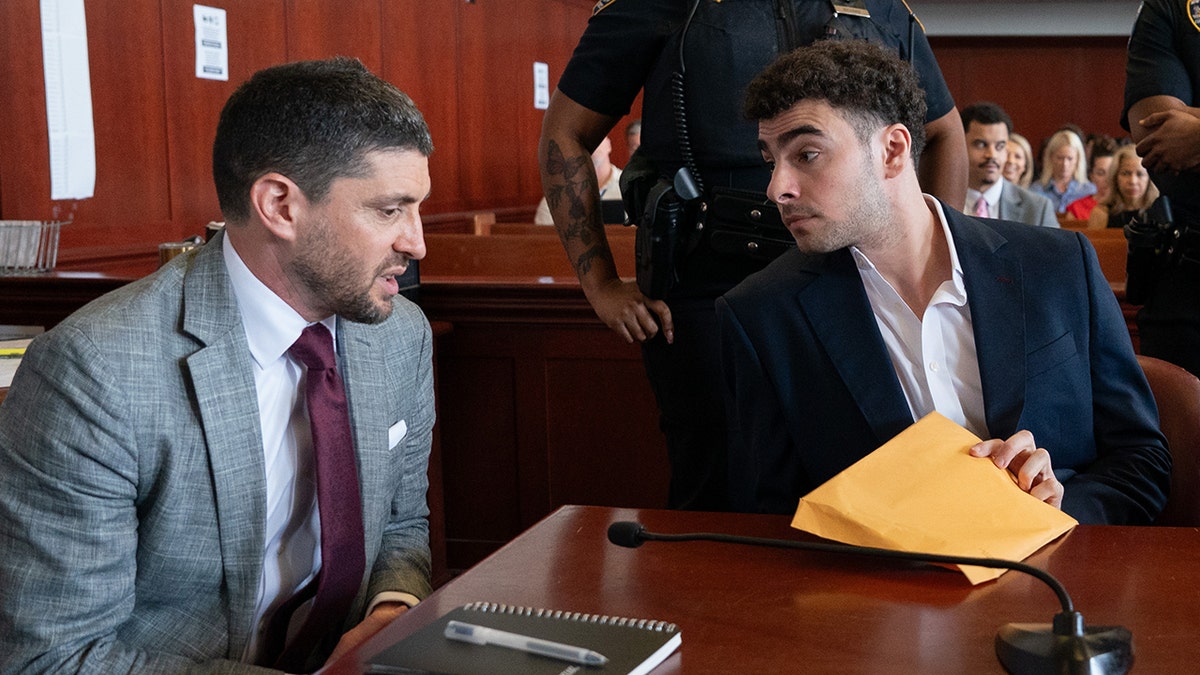
Luigi Mangione appears at a pretrial hearing in Manhattan Criminal Court in New York City on June 17, 2026. Mangione is accused of murdering UnitedHealthcare CEO Brian Thompson in December 2024. (Pool via Barry Williams for New York Daily News)
“Stealth jurors are a huge problem and it is not easy to identify people that want to get on the panel. Most people don’t want to serve as jurors,” he said. “So when a juror actually wants to be on the panels, it’s one of the most difficult jobs of an attorney to try to ferret them out.”
For Mangione, Rahmani said his case differs from Rinderknecht because there may be some jurors who “want to put our health insurance industry on trial.”
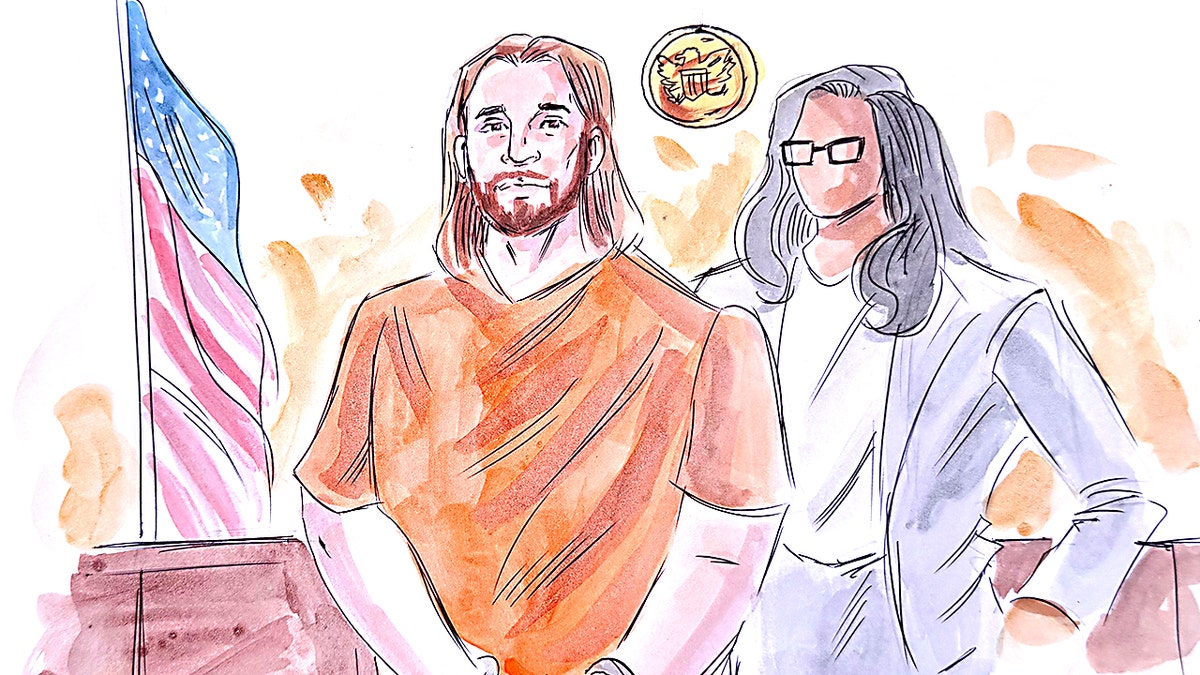
A sketch shows Jonathan Rinderknecht inside federal court in Orlando, Fla., on Oct. 9, 2025. He faced charges for allegedly starting a New Year’s Day fire that killed 12 people in Pacific Palisades, Calif. (Neftali Melendez/Unknown)
Ultimately, the former federal prosecutor says the problem expands beyond any single case.
“I do believe jury nullification is more of an issue now than the past for two reasons. The country is more polarized and with social media, you have everyone following these trials in a way that you didn’t have before when there was local media coverage only. Now people all over the country are following every single case, especially these high-profile true crime cases,” he said.
News Agency reached out to Mangione’s defense team for comment.


