
Expectations were sizable for Supergirl, but the film has landed with a thud. Reviews have been notably chilly, and its disappointing box office trajectory reportedly puts Warner Bros. Discovery on pace to take a loss in the range of $100 million to $120 million. A single miss is hardly unusual in Hollywood, and Supergirl failing to connect might not feel especially alarming if DC Studios’ upcoming slate looked more assured. Instead, the movie plays like a warning sign that James Gunn’s ambitious DCU blueprint may be showing cracks before it has fully taken shape.
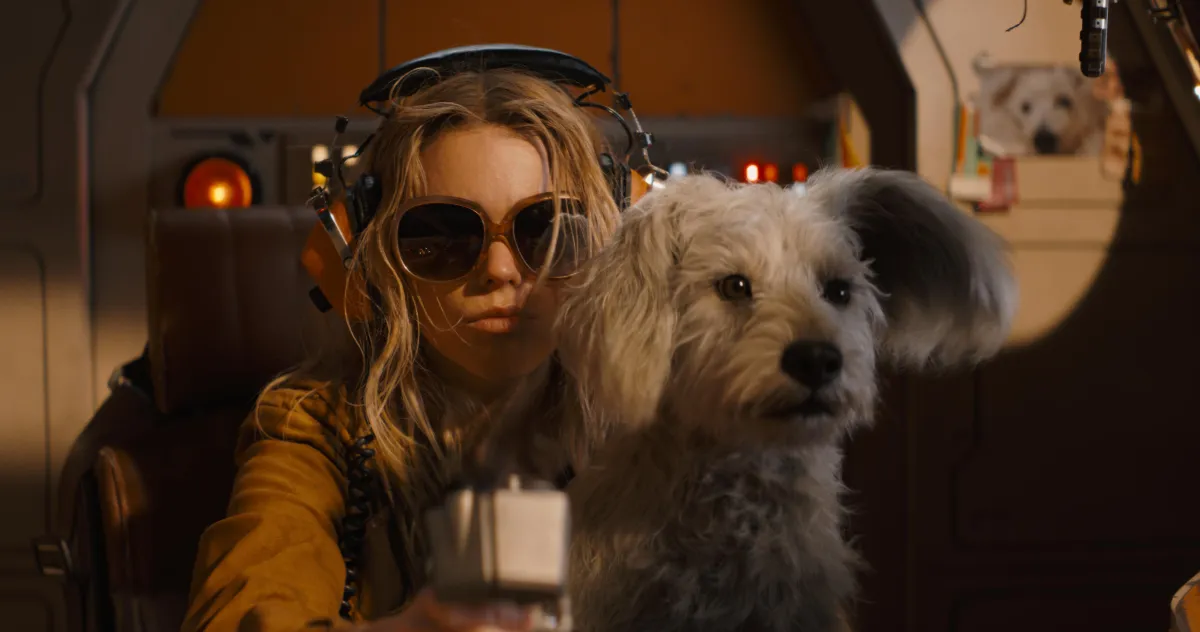
Drawing loosely from Tom King and Bilquis Evely’s Supergirl: Woman of Tomorrow comic miniseries, the new Supergirl centers on Superman’s cousin Kara (Milly Alcock), who heads into deep space on a reckless, alcohol-fueled journey that takes a grim turn when her dog is poisoned by a crew of sex-trafficking pirates. Unlike Superman (David Corenswet), Kara is not especially troubled by the idea of killing her enemies, particularly when they stand between her and saving Krypto. But with an orphaned girl (Eve Ridley) along for the ride, Kara attempts to model a better path — or at least one with less murder.
Supergirl has trouble defining its hero beyond her connection to Superman
Although Supergirl is directed by Craig Gillespie and written by Ana Nogueira, much of the film carries the unmistakable flavor of Gunn’s earlier projects, from the endangered-animal emotional hooks to the music cues. Kara’s drunken fights in alien dives and her travels through space aboard a battered ship often feel lifted from the playbook of Marvel’s Guardians of the Galaxy movies. Nogueira also appears to be leaning into Gunn’s sharp, irreverent comic rhythm when introducing characters such as the chaotic bounty hunter Lobo, played by a conspicuous Jason Momoa in comics-faithful attire. Momoa’s appearance inevitably calls back to the collapse of the old DCEU, though Lobo himself is not the film’s biggest problem.
Superman benefited from moving quickly past Clark Kent’s familiar tragic origin, but Supergirl spends a significant portion of its runtime circling back to Krypton’s destruction. The flashbacks to Kara’s life before Earth are intended to clarify the pain she carries and explain why her moral compass differs so sharply from her cousin’s. Yet the film rarely explores that trauma with much depth, instead treating her substance abuse as a punchline while pushing her through a conventional adventure that is short on tension, mystery, and memorable visual grandeur.
One of Supergirl’s most obvious weaknesses is its inability to make Kara feel like more than a variation on Superman. Beyond her harsher temperament and darker mood, she remains another nearly invulnerable Kryptonian whose powers depend on exposure to yellow sunlight. The movie repeatedly tries to manufacture jeopardy by stripping Kara of those abilities, but once she is beaten down by groups of ordinary attackers for the second time, it becomes hard to shake the impression that DC Studios never found the spark that would make this story feel essential.
That is especially striking given Gunn’s earlier pledge that DC Studios would “never put a half-assed script in production” just because a title had already been announced. Unfortunately, half-formed is exactly the feeling that hangs over Supergirl, and as the studio’s second major theatrical feature, that does not inspire confidence in the DCU’s long-term direction. The film needed to prove that Gunn had a coherent strategy for building a connected universe around some of DC’s less dominant names. HBO’s Peacemaker has already shown how that approach can work on television, but the question remained whether it could translate to theaters. The purpose of rebooting WBD’s superhero franchise was to give DC Studios a stronger position against Marvel, which is preparing for its own sweeping refresh. But while Marvel still has dependable cards to play, including the X-Men and another Spider-Man film, DC is effectively trying to rebuild from the ground up.
Some of Supergirl’s shortcomings might have been less noticeable if there had been more distance between its release and Superman’s arrival in theaters. Coming so close together, the two films underline how similar their central characters can feel and suggest DC may already be leaning too heavily on familiar variations rather than bold reinvention. That makes Gunn’s decision to prioritize a Green Lanterns series and a Clayface movie before unveiling new takes on bigger icons like Batman and Wonder Woman feel more questionable. WBD still intends to release a sequel to Matt Reeves’ The Batman, which remains outside the official DCU, but that renewed Gotham focus could also help prepare audiences for a new Bane / Deathstroke project the studio is reportedly emphasizing following Supergirl’s weak performance.
All of these B-tier projects and alternate realities give the nascent DCU a whiff of the same messiness that has plagued Sony’s universe of Spider-Man spinoffs since its inception. And when you factor in WBD’s impending merger with Paramount Skydance, it seems very possible that the DCU might not come together the way Gunn originally intended. Though it’s possible that next year’s Man of Tomorrow could steer things in a stronger direction, what feels more likely right now is DC putting out another Super-movie that feels a little too similar to what we’ve seen before. It wouldn’t be the first time that WB found itself on the ropes with a comics-related crisis, but it might be the last chance the studio has to get this stuff right.