
An 11-year-old boy who awoke to a bat on his face later died from rabies, despite showing no obvious signs of a bite or scratch, according to a scientific report published this week that underscores the hidden risks of bat exposure.
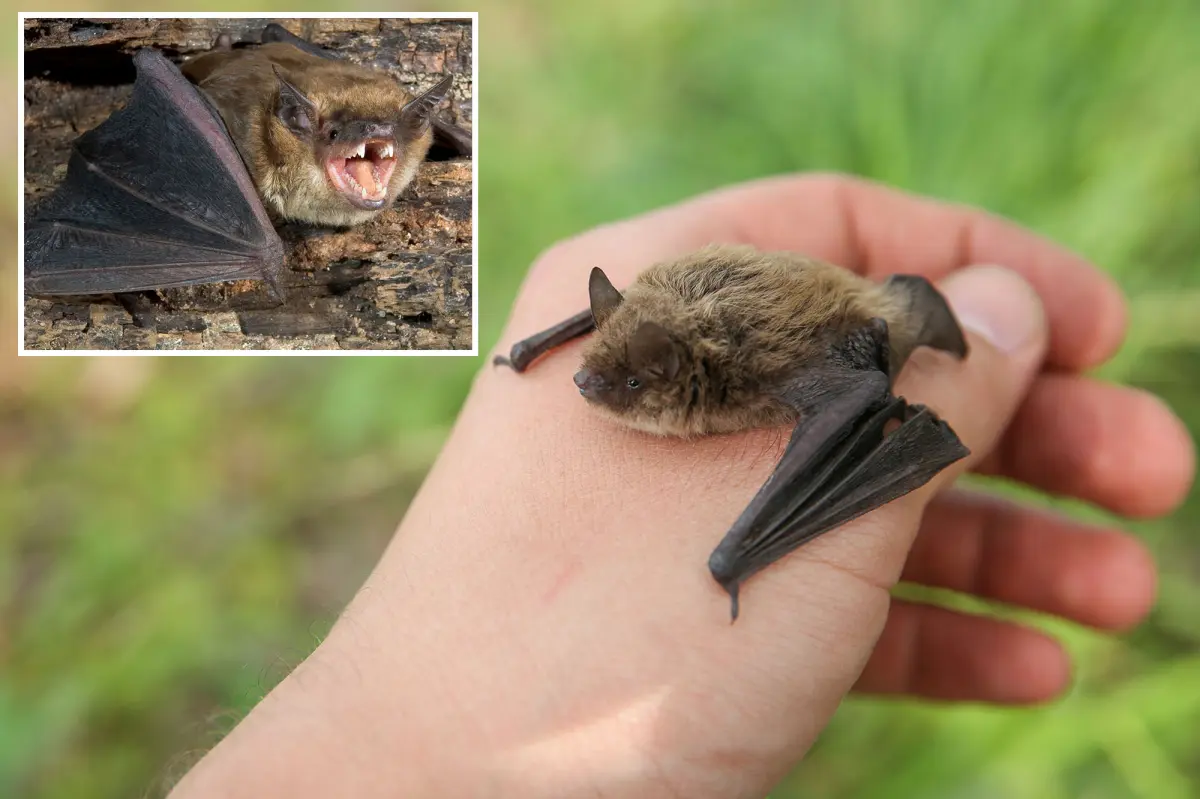
The child, who has not been publicly identified, was visiting family in Northern Ontario, Canada, during the summer of 2024 when he woke suddenly to find a bat resting across his nose and mouth, the study published Monday in the Canadian Medical Association Journal said.
He brushed the bat away, and his father caught the animal before releasing it outdoors.
Because there were no visible injuries and the boy appeared well, his parents did not seek medical care at the time. About 19 days later, however, he developed numbness in his face and began vomiting repeatedly, according to the report.
He was taken to a local urgent care clinic and given an antiviral medication, but his condition continued to decline. He later developed facial weakness, slurred speech, fever, difficulty swallowing, confusion and visual hallucinations.
Days afterward, his parents brought him to a nearby hospital, where his neurological symptoms quickly worsened. Doctors ultimately confirmed rabies — the region’s first locally acquired case since 1967, the study noted.
ALSO READ: McDonald's Canada Introduces New Menu Items Inspired by Global Flavors
Despite more than two weeks of intensive treatment, the boy was eventually taken off life support and died.
Researchers highlighted the tragic case to warn that rabies exposure can be overlooked after contact with bats, whose bites may be tiny enough to leave no visible mark.
“It was important to us and to the family to take the opportunity to find learning experiences and lessons that we could take from his case to try and help spread awareness and understanding of rabies infection and risks,” Dr. Brian Hummel, a pediatric infectious disease specialist involved in the case, wrote in his report.
“If you get symptomatic rabies infection, it is near universally fatal. But if you get the prevention before symptoms develop, it is near universally successful.”
Only 28 rabies cases in humans have been reported in Canada since 1924.