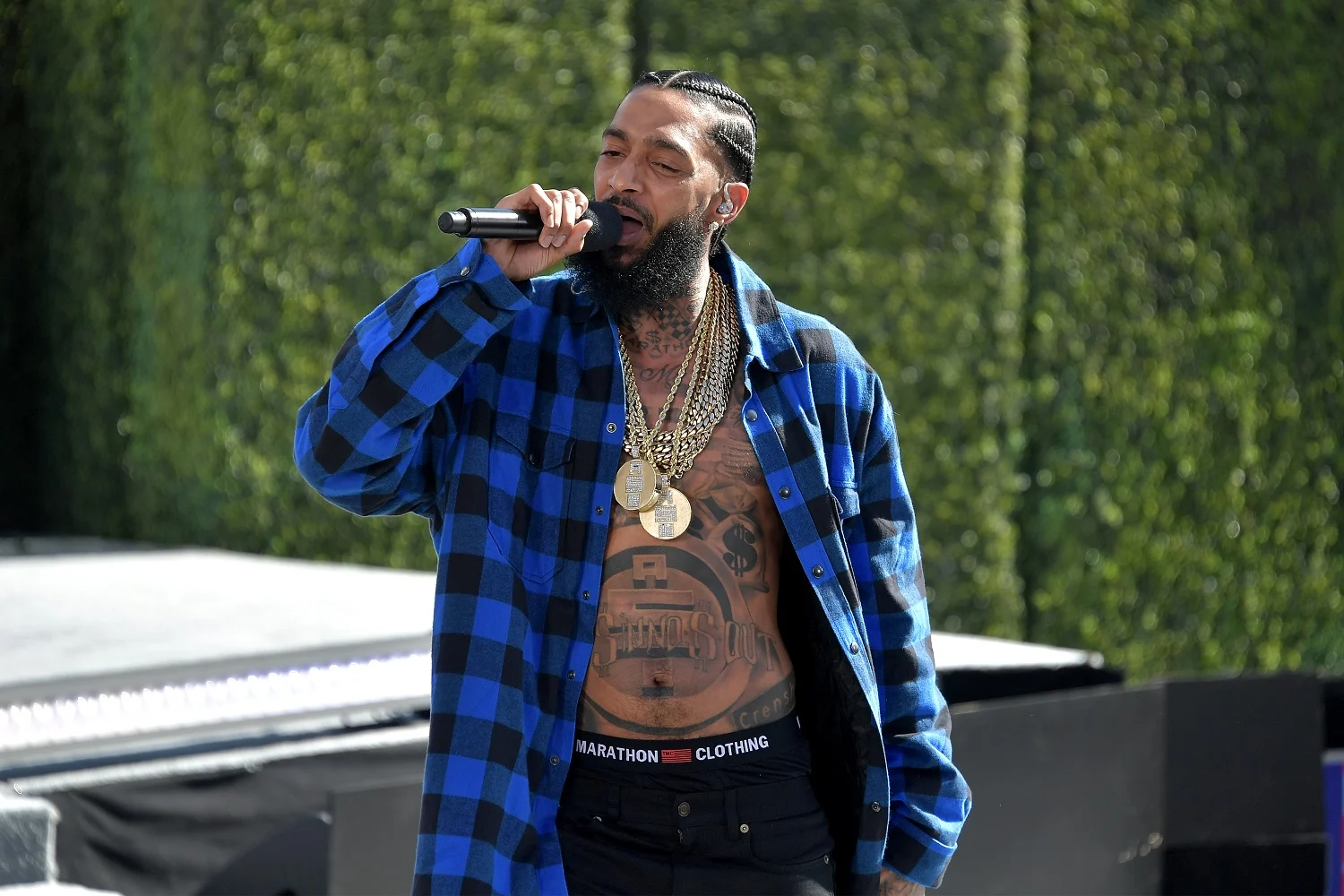

More than six years have passed since Nipsey Hussle was fatally shot outside his Marathon Clothing store in Los Angeles, a killing that stunned fans and the music world.
In the days that followed, supporters moved quickly to organize crowdfunding efforts for the rapper’s two children. His daughter, Emani, was about 10 at the time, while his son, Kross, whom he shared with Lauren London, was 2. High-profile figures also stepped forward with offers of support, including former NFL player Reggie Bush.
While the gestures were welcomed, Nipsey’s family ultimately turned them down. The explanation spoke volumes: his children were already financially protected. The late rapper had prepared for the future, invested in tangible assets and arranged his affairs so his loved ones would not have to rely on public fundraising, even during a moment of enormous sympathy and attention.
Years later, that decision appears to have been backed by solid planning.
According to court records reviewed by TMZ, Nipsey Hussle’s two children have now received their portions of his estate. While the precise amounts were kept under seal, the filings reportedly indicate that Emani and Kross each inherited 50% of an estate estimated to be worth $11 million.
For an artist who consistently championed ownership, generational wealth and financial self-determination, the resolution carries a powerful sense of continuity.
Nipsey’s Estate Value
When Nipsey died in 2019, his net worth was estimated at $8 million. That figure reflected a range of assets, including cash, investments, business holdings, real estate, trusts and other wealth he had built over the course of his life and career.
About 18 months after his death, legal documents placed the value of his formal probate estate at $4.2 million. Though that number appeared significantly lower, the filing reportedly assigned a value of only $913,000 to Nipsey’s likeness and did not include several major sources of wealth, such as publishing rights, unreleased music, master recordings and assets that had already been transferred into trusts before his passing.
Those exclusions help explain how a $4.2 million probate figure could exist alongside a larger overall estate value. Nipsey’s financial legacy was tied to assets that went well beyond cash in a bank account.
One of the most important pieces was his music ownership. Unlike many artists, Nipsey owned his master recordings, giving his estate a direct economic interest in the long-term value of his catalog. He also had business interests connected to The Marathon Clothing company, valuable trademarks, and a brand rooted in the Crenshaw neighborhood that became even more powerful after his death.
TMZ reports that the estate, administered by Nipsey’s brother Samuel Asghedom, better known as Blacc Sam, included cash and other assets. Those assets reportedly included a 2012 Chevy Suburban, interests in various businesses including The Marathon Clothing company, and trademarks.
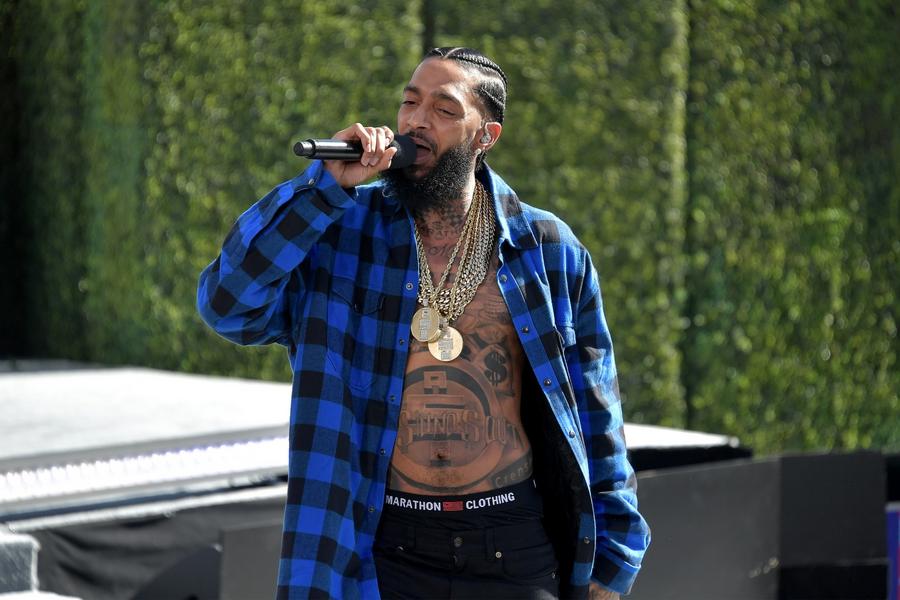
(Photo by Neilson Barnard/Getty Images for BET)
A 50/50 Split Between His Children
Nipsey had two children. His daughter, Emani, was born from a previous relationship. His son, Kross Ermias Asghedom, was born in 2016 during Nipsey’s relationship with Lauren London.
According to TMZ, both children have now received their shares of the estate. The exact dollar amounts were sealed, which is common in estate matters involving minors, but the split was reportedly equal: 50% to Emani and 50% to Kross.
Lauren London reportedly signed a document acknowledging receipt of money paid out for Kross’ share. The distribution followed years of legal friction involving Emani’s mother, Tanisha Foster, and the estate. Those issues were reportedly resolved last year, clearing the way for the payments.
If the reported $11 million valuation is accurate, each child is connected to a multimillion-dollar inheritance before accounting for taxes, legal fees, trusts, restrictions, or ongoing asset management. The final value could also evolve over time because parts of the estate are capable of producing future income.
The Marathon Continues
Nipsey Hussle built his public identity around ownership. He talked about buying property, controlling masters, investing in local businesses, and turning cultural influence into long-term wealth. His career was a case study in putting those ideas into practice.
The Marathon Clothing store became the clearest symbol of that philosophy. Located in the same South Los Angeles community where he grew up, the store represented his belief that wealth could be created locally and kept within the neighborhood. He also helped launch Vector 90, a co-working and STEM-focused space designed to give young people in South Los Angeles access to technology, mentorship, and entrepreneurship.
His 2018 album “Victory Lap” gave him the mainstream breakthrough he had been building toward for years. It earned a Grammy nomination for Best Rap Album and surged back up the charts after his death. Because Nipsey owned his masters, the continued interest in his catalog carried financial value for his estate, not only symbolic value for fans.
The reported estate settlement brings a long legal process closer to completion. Nipsey’s brother guided the estate through years of administration, his children have now received their shares, and the assets he built during his lifetime have moved into the next generation.
Six years after his death, Nipsey Hussle’s financial legacy reflects the same message he repeated throughout his career: own something, build something, and leave something behind.
The marathon really did continue.
(function() {
var _fbq = window._fbq || (window._fbq = []);
if (!_fbq.loaded) {
var fbds = document.createElement(‘script’);
fbds.async = true;
fbds.src = ”
var s = document.getElementsByTagName(‘script’)[0];
s.parentNode.insertBefore(fbds, s);
_fbq.loaded = true;
}
_fbq.push([‘addPixelId’, ‘1471602713096627’]);
})();
window._fbq = window._fbq || [];
window._fbq.push([‘track’, ‘PixelInitialized’, {}]);