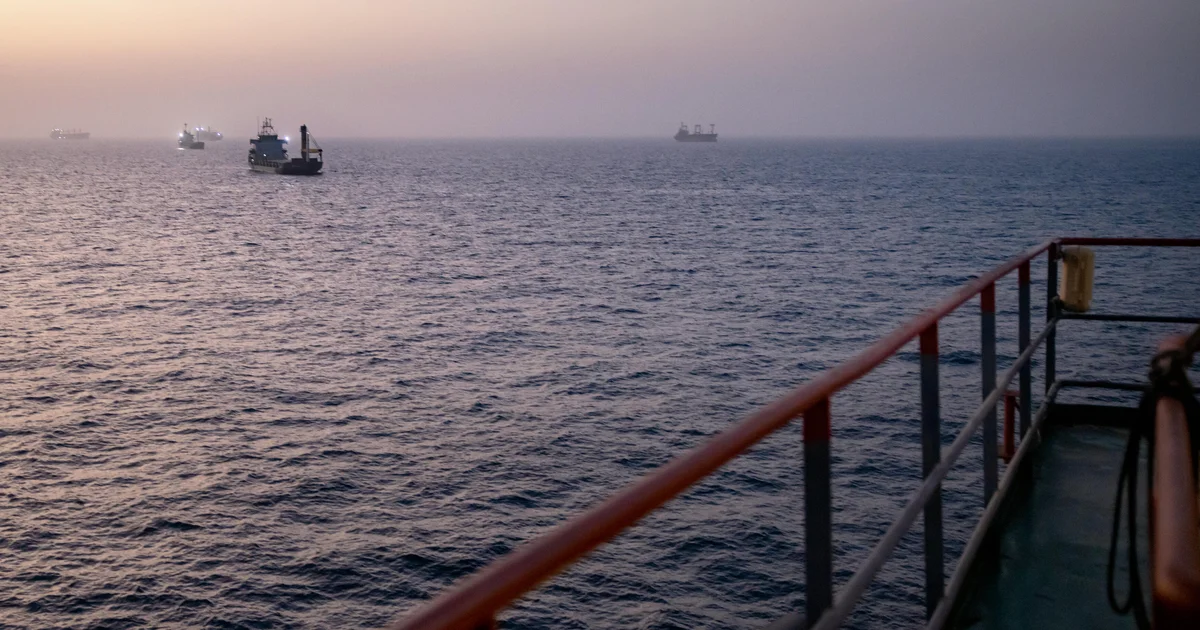

Iranian officials privately conveyed to advisers to President Trump that Tehran had erred in firing on commercial vessels in the Strait of Hormuz, saying the attacks were driven by an “errant” faction of hardliners seeking to derail negotiations, and that Iran remains interested in continued talks, senior U.S. officials said Friday.
The White House is pressing the Iranian regime to admit the misstep publicly, an incident the Trump administration regards as a breach of the ceasefire.
President Trump has instructed his negotiating team — headed by Vice President JD Vance, Jared Kushner, special envoy Steve Witkoff, and Secretary of State Marco Rubio — to keep diplomatic discussions moving forward.
Those discussions are scheduled to be held Saturday in Oman.
U.S. officials said Washington is prepared to respond with both military and economic pressure if Iran persists in hostile actions.
“They came back to the table and said, ‘We screwed up. We made a mistake. Let’s keep talking,’” one official said.
Following Saturday’s meeting in Oman, the administration anticipates that Iran will state the strait will remain open and operate as it did before the conflict began.
If Tehran does not take that position, the official warned, “it’s not going to be a great day for them.”
“We’re definitely in a wait-and-see moment,” another official said.
The Iranians have told the U.S. that the attacks on ships were initiated by an errant entity in their system who wants to undermine the deal.
The Trump administration, however, maintains that the ships were targeted for another reason. The U.S. believed that a southern lane in the Strait of Hormuz, the one along the Omani coast, would be open under the memorandum. But Iran was caught off guard by how rapidly traffic was moving — and how much of the oil and gas traffic was moving through the southern lane — and that is why they reneged, one of the officials said.
Mr. Trump is giving U.S. negotiators space and time to make a deal — but not a lot of time, one of the officials said.
Regarding what the president refers to as the “nuclear dust,” the remnants of Iran’s nuclear program, the officials said the U.S. would prefer to excavate it, but if Iran refuses to act like a “normal country,” there are other options, including keeping it buried.
If Iran is not capable of honoring what the U.S. believes was the easiest part of the deal – opening up the strait to trade – negotiators will never get to address the thornier issue of Iran’s nuclear program, another official said.
The officials declined to comment on reports that Israeli intelligence revealed plots against Mr. Trump, but said the president doesn’t make decisions based on fear or threats.