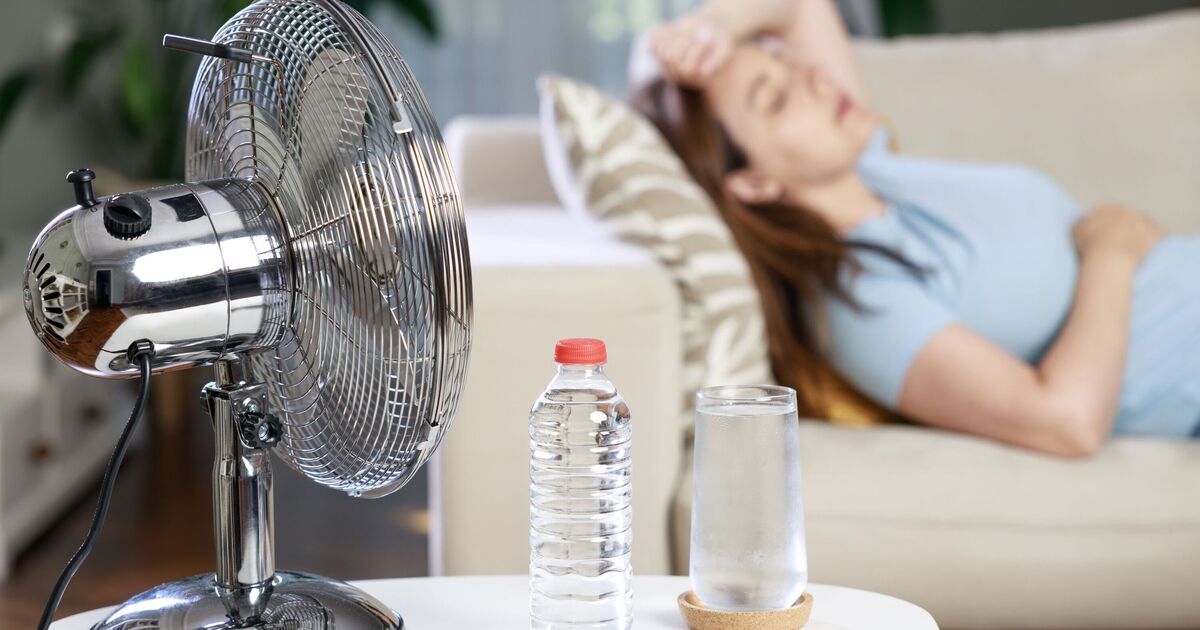

Health experts are advising people to aim for up to nine hours of sleep as parts of the UK prepare for temperatures nearing 30C.
The British Red Cross says what many will already be feeling: sleeping well during a heatwave can be a real challenge. But it also warns that poor sleep can affect how effectively the body responds to hot weather — and the consequences go beyond simply feeling irritable the next day.
The charity explains that when conditions are too hot or too cold, the body’s internal temperature can be disrupted, making it harder to fall asleep and remain asleep. Restful sleep during a heatwave is important because it supports recovery, helps the body regulate temperature and protects both physical and mental wellbeing.
Adequate rest is especially important for people considered more vulnerable to heat-related illness. Good sleep can support the immune system, improve energy levels and help maintain heart health, while giving the body a better chance of coping with the extra stress caused by extreme temperatures.
How to sleep during a heatwave?
In its advice on sleeping during hot weather, the British Red Cross recommends adults try to get between seven and nine hours of sleep each night. With temperatures climbing across the country, the guidance is particularly timely.
The organisation points to NHS guidance, which says most adults generally need seven to nine hours of sleep a night. The exact amount can vary depending on factors such as age, health and personal circumstances, while babies, children and teenagers usually require more rest than adults.
Even one night of poor sleep can affect your wellbeing and may have a negative impact on your:
The NHS also advises people to watch for signs and symptoms that may suggest an ongoing sleep problem.
- find it difficult to fall asleep
- lie awake for long periods at night
- wake up several times during the night
- wake up early and be unable to get back to sleep
- feel down or have a lower mood
- have difficulty concentrating
- be more irritable than usual
It adds: “Longer-term sleep problems can affect our relationships and social life, and leave us feeling tired all the time, eating more and not able to do daily tasks.”
If sleep difficulties persist and you struggle to get at least seven hours of rest, it may be worth contacting your GP, particularly if it is affecting your day-to-day life.
Did you know that cooling your feet can help lower your overall body temperature? The Red Cross suggests that during the day, you could place a pair of socks in the fridge, then wear them before bed for a refreshing, cooling sensation as you settle down for the night.
You can read more about how to stay cool and sleep during a heatwave here.


