
Taco Bell said Tuesday that it has voluntarily pulled a limited number of ingredients from some locations on a temporary basis, describing the move as a precaution while officials investigate a cyclosporiasis outbreak.
The fast-food chain emphasized that health authorities have not tied the outbreak to a particular restaurant, supplier or ingredient.
“The health and safety of our guests is our top priority,” Taco Bell Corp. said in a statement provided to ABC News. “Public health officials have not confirmed a link to Taco Bell or any specific ingredient, supplier, restaurant or retailer. While authorities continue their broader review, Taco Bell has voluntarily and temporarily removed limited ingredients at select restaurants as a precautionary measure. We will continue to closely monitor the situation and follow the guidance of public health authorities.“
The decision comes as Michigan’s reported cyclosporiasis cases — an intestinal illness caused by a parasite — have climbed past 3,000, state health officials said Tuesday.
RELATED: How to reduce your risk as cyclospora parasite cases rise
The number of cases rose by more than 600 from Monday. MDHHS has reported 3,309 infections since June 22, with at least 44 hospitalizations. By comparison, Michigan normally sees about 50 cases annually.
Health officials said most of the illnesses have been reported in southeast Michigan, including Wayne County, home to Detroit.
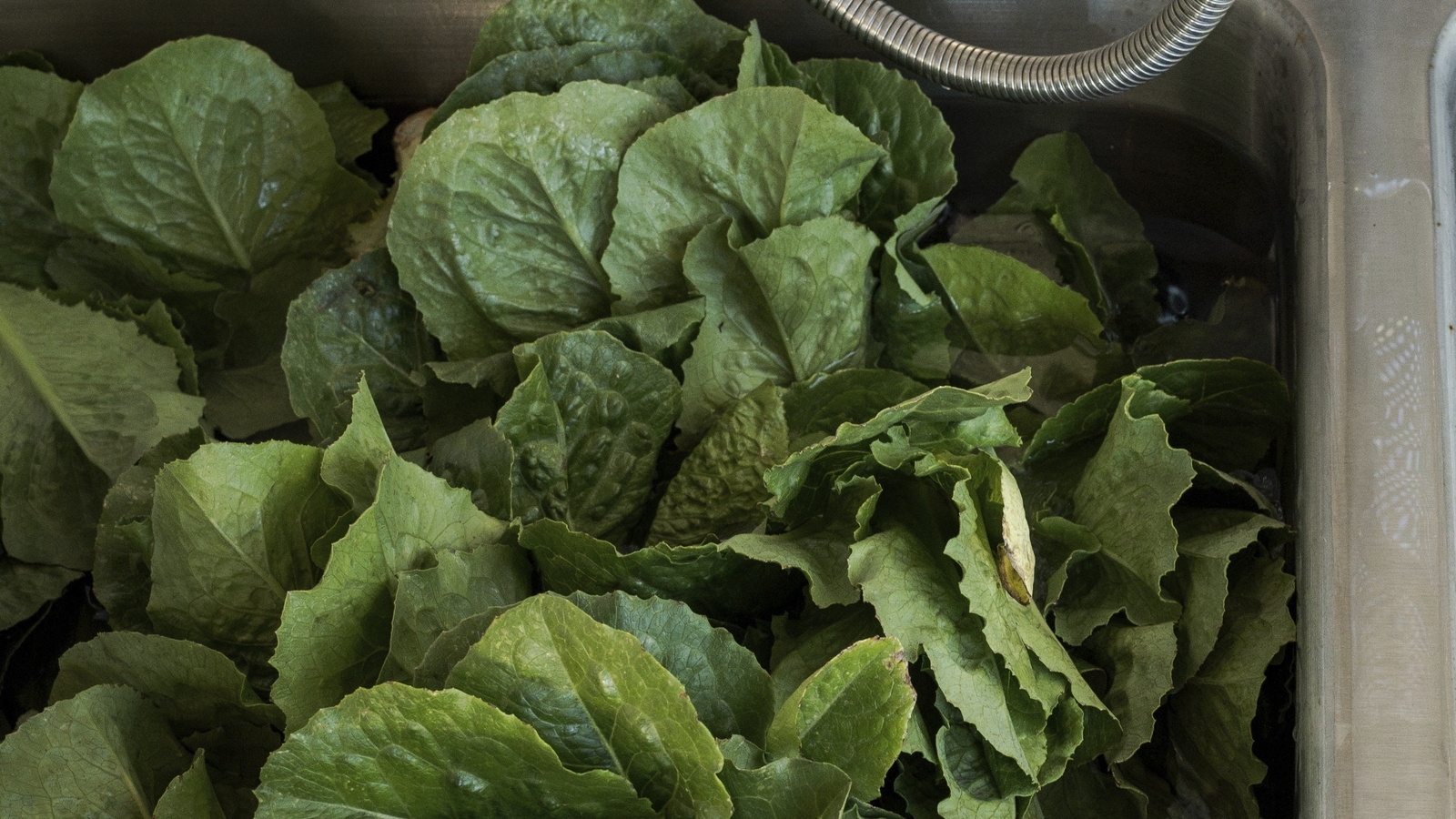
Michigan officials said Monday that lettuce or salad greens remain a possible source under review in the state’s outbreak investigation.
Federal officials said during a Tuesday news conference that they had not yet identified the source of the Michigan outbreak.
“We are aware of the signal for lettuce that’s been noted by our Michigan partners. What I can say at this point is that we’re continuing our traceback investigation on multiple produce items, including the lettuce,” said Donald Prater, the Food and Drug Administration’s acting deputy commissioner for food.
Officials also warned that cyclosporiasis reports across the U.S. may continue to rise, potentially through late August. The illness is generally tracked during a seasonal window that runs from May 1 through Aug. 31.
The Centers for Disease Control and Prevention also issued a nationwide health alert to physicians Tuesday, advising them about the increase in cyclosporiasis cases.
Michigan health officials previously told ABC News that contaminated food could be connected to the outbreak. No specific produce item, grower or supplier has been pinpointed so far.
Earlier this month, MDHHS issued guidance for restaurants and other commercial kitchens in southeast Michigan aimed at lowering the risk of exposure.
According to MDHHS data, adults make up most of the reported infections, with people ages 30 to 39 accounting for the largest share.
The outbreak was first detected June 29, when the Monroe County Health Department said it was looking into a cluster of cases.
The parasite is usually spread through food or water contaminated with feces, the CDC says. Person-to-person transmission is not considered common.
Past foodborne cyclosporiasis outbreaks have been associated with several types of imported fresh produce, including raspberries, basil, snow peas, mesclun lettuce and cilantro, according to the CDC.
At least 31 additional states have reported cyclosporiasis cases, according to an ABC News review of CDC figures and state health department data.
As of Friday, New York had the second-largest total, with 470 cases reported since May 1, followed by Ohio with 364, state health officials told ABC News. Illinois and Florida were each reporting more than 100 cases as of Friday, according to their health departments.
The CDC said it had confirmed 843 domestic cases from May 1 through July 9. On its website, the agency noted that it is “aware that states are likely to report higher case counts of cyclosporiasis than reflected in CDC data and is working closely with states to update numbers as additional cases are confirmed.”
The agency said there is an expected six-week delay between when illness begins and when cases are reported to the CDC, as data is received and reviewed.
Cyclosporiasis is treated with the oral antibiotic trimethoprim-sulfamethoxazole, known as TMP-SMX and commonly sold under brand names including Bactrim, Septra and Cotrim. The CDC says treatment is typically taken for 10 days.
To help prevent infection, the CDC advises people to wash produce thoroughly, remove bruised or damaged areas from fruits and vegetables, and refrigerate produce that has been pre-cut or prepared.
The CDC also recommends washing hands carefully with soap and water before handling or preparing raw fruits and vegetables.
Copyright © 2026 ABC News Internet Ventures.