
A proposal to impose a new tax on vacant grocery store sites in San Francisco has been pulled back after drawing swift pushback from City Hall leaders and the local business community.
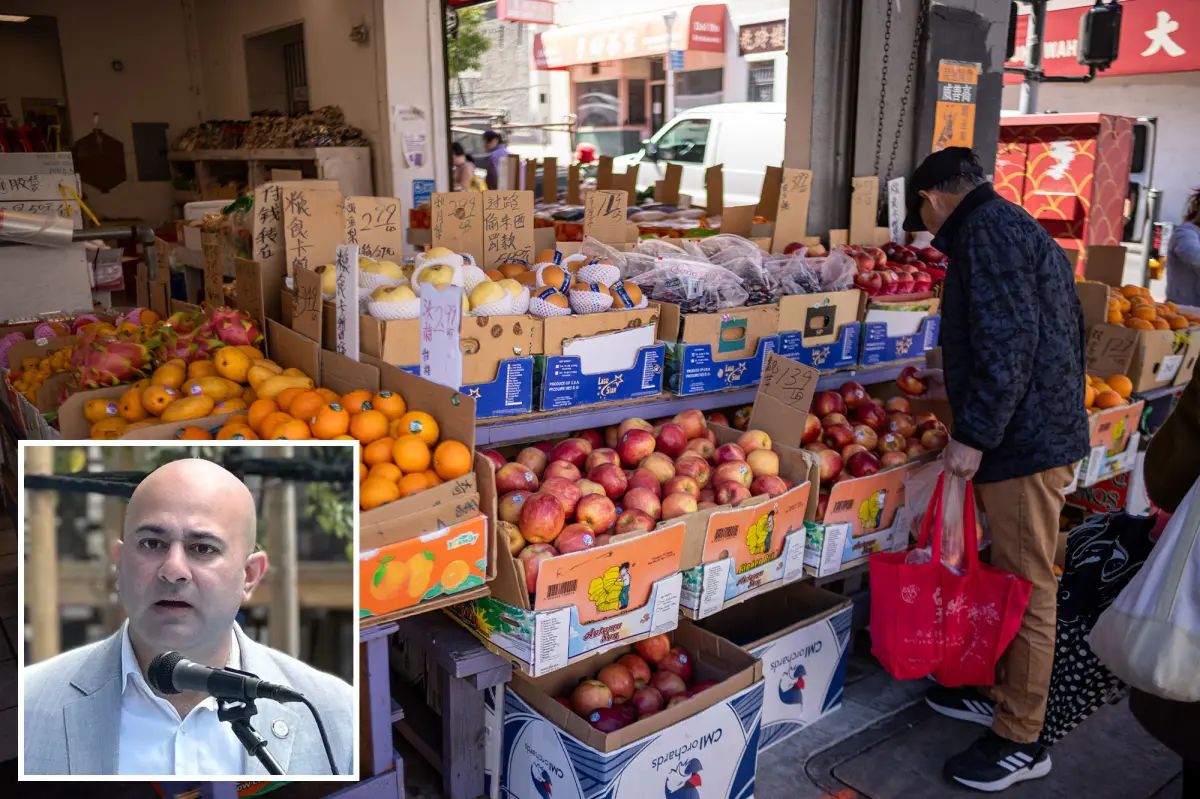
Supervisor Bilal Mahmood said Sunday that he is abandoning the tax plan and will instead move forward with a city ordinance designed to improve grocery access through financial support, incentives and zoning changes.
The shift comes only weeks after Mahmood introduced his “Affordable Groceries Act,” a package that initially envisioned two separate measures for the November ballot.
One proposal would have created a city-administered fund to help corner stores and convenience markets add more fresh food options while also supporting the launch of new grocery stores.
The second would have placed a new tax on major grocery chains that allow former supermarket spaces to remain empty.
That tax idea, however, quickly met resistance from Mayor Daniel Lurie, business groups and some of Mahmood’s colleagues on the Board of Supervisors.
Mahmood is now turning his attention to advancing the grocery fund through legislation at City Hall, rather than seeking voter approval for the original ballot measure package.
Under the revised approach, the city would steer resources toward helping convenience stores carry fresh produce while using zoning reforms and incentives to attract new supermarkets.
“Ultimately, it’s clear there is no consensus at City Hall on corporate accountability or on solutions that mix carrots and sticks at this time,” Mahmood wrote on social media.
“But we have to be driven by results and find a path forward on solutions that are possible to drive consensus around today.”
The original proposals came as San Francisco grapples with a string of major supermarket closures that have left some neighborhoods with fewer options for groceries and fresh food.
Mahmood had previously said his proposals were inspired in part by New York City Mayor Zohran Mamdani’s push for city-run grocery stores as a way to tackle food costs.
San Francisco’s plan stopped short of having the city itself operate supermarkets.
Instead, the proposed fund could have used private nonprofit donations or revenue generated by the vacancy tax to support grocery stores, while the tax was also intended to encourage major chains to keep locations open.
Lurie opposed the tax approach.
A spokesperson for the mayor told the San Francisco Chronicle that Lurie was working to bring more grocery stores to the city but did not believe imposing a vacancy tax was the way to do it.
The proposal also drew pushback from the Chamber of Commerce and Align Real Estate — the developer seeking to turn the shuttered Fillmore Safeway into a housing complex.
Mahmood further revealed that Amazon — owner of the empty former Whole Foods location in Mid-Market — was “actively lobbying” against the proposed tax.
The measure faced another major obstacle earlier this month when Supervisor Connie Chan, who chairs the board’s budget committee, did not put the tax proposal on the committee agenda.
Board of Supervisors President Rafael Mandelman also raised concerns that taxing vacant grocery properties could have “unintended consequences” as San Francisco tries to lure businesses back following the pandemic.
Mandelman said he was “concerned that measures like this send a different message that is a little more adversarial and that imagines that San Francisco can tax and regulate our way to recovery.”
Mahmood’s remaining grocery store fund ordinance is set to be heard Monday morning by the Board of Supervisors’ rules committee.
He thanked Supervisor Shamann Walton, who chairs the committee, for moving the proposal forward and signaled that abandoning the tax does not mean he is giving up on the broader effort.
“This is not the end of the conversation,” Mahmood wrote. “This is just the beginning of a larger effort to address our affordability crisis, and I won’t stop fighting until every neighborhood has reliable access to affordable, healthy food.”
Download The California Post App, follow us on social, and subscribe to our newsletters