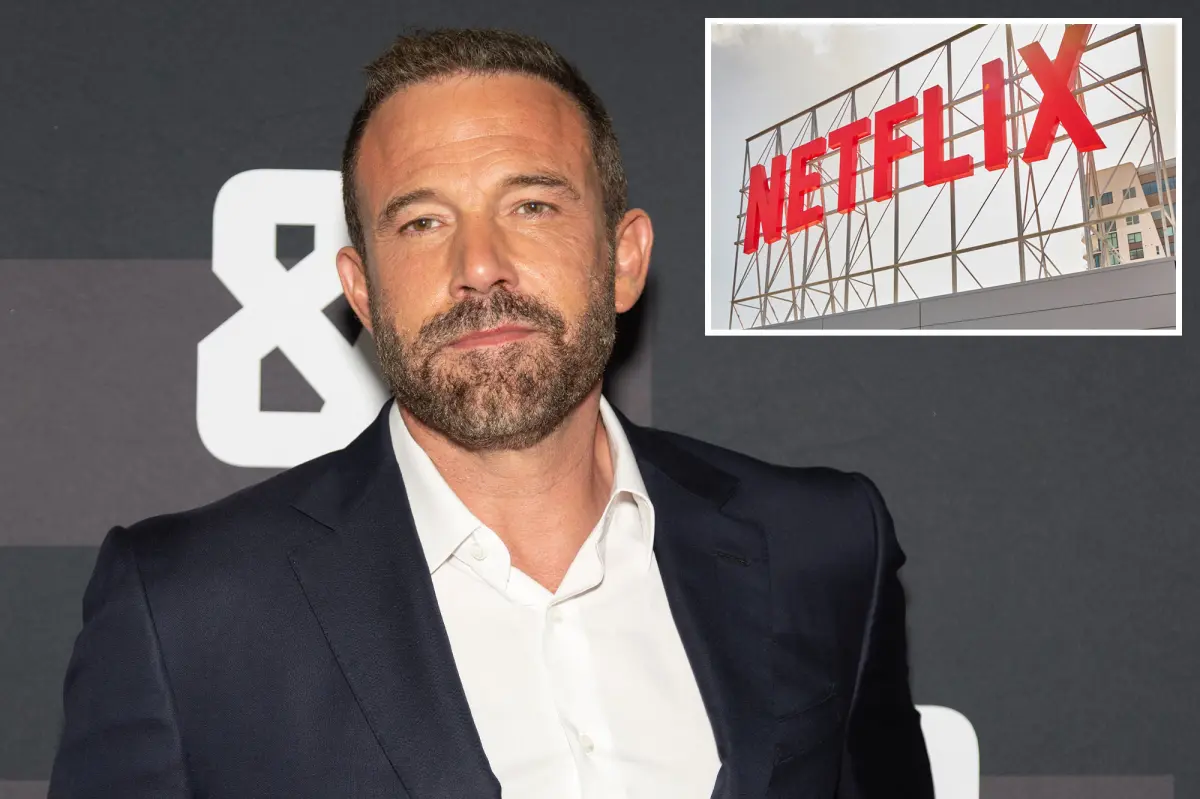
Netflix has made a major bet on AI-powered filmmaking, acquiring Ben Affleck’s startup InterPositive while stressing that creative control will remain firmly with human artists.
The streaming giant paid $587 million for InterPositive, a film-technology company focused on enhancing visual effects and production workflows. The acquisition was disclosed in a regulatory filing, which said Netflix completed the all-cash deal in March.
Netflix had previously announced its partnership with InterPositive earlier this year, describing the move as an investment in “creator-led innovation that keeps filmmakers at the center of the process.”
Affleck, who launched the AI film-tech company in 2022, is set to join Netflix as a senior advisor. InterPositive’s team will also be folded into the streaming company’s broader operation.
The Oscar-winning actor, writer and director has been a fixture in Hollywood since breaking through in the late 1990s with “Good Will Hunting,” which he co-wrote and starred in. But Affleck said his interest in AI took shape about four years ago, when he began studying its growing role in film production and noticed where existing models “came up short.”
Drawing on his experience across writing, directing and acting, Affleck has argued that technology can support filmmaking, but that human judgment remains the force that gives storytelling its emotional weight.
He began developing InterPositive with a small team, filming a proprietary dataset on a controlled soundstage designed to mirror the conditions of a full-scale production. The goal, Affleck said, was to create a workflow that could better understand what actually happens on set.
That research and development eventually produced InterPositive’s first model, which the company says can interpret visual logic and maintain editorial consistency while respecting cinematic rules. Netflix plans to use the technology as an internal post-production tool aimed at speeding up filmmaking rather than replacing artists, similar to how generative AI was reportedly used on roughly 300 Netflix titles this year, according to Variety.
“We believe new tools should expand creative freedom, not constrain it or replace the work of writers, directors, actors, and crews,” Bela Bajaria, Netflix Chief Content Officer, said in a statement in March when the during the merger was announced.