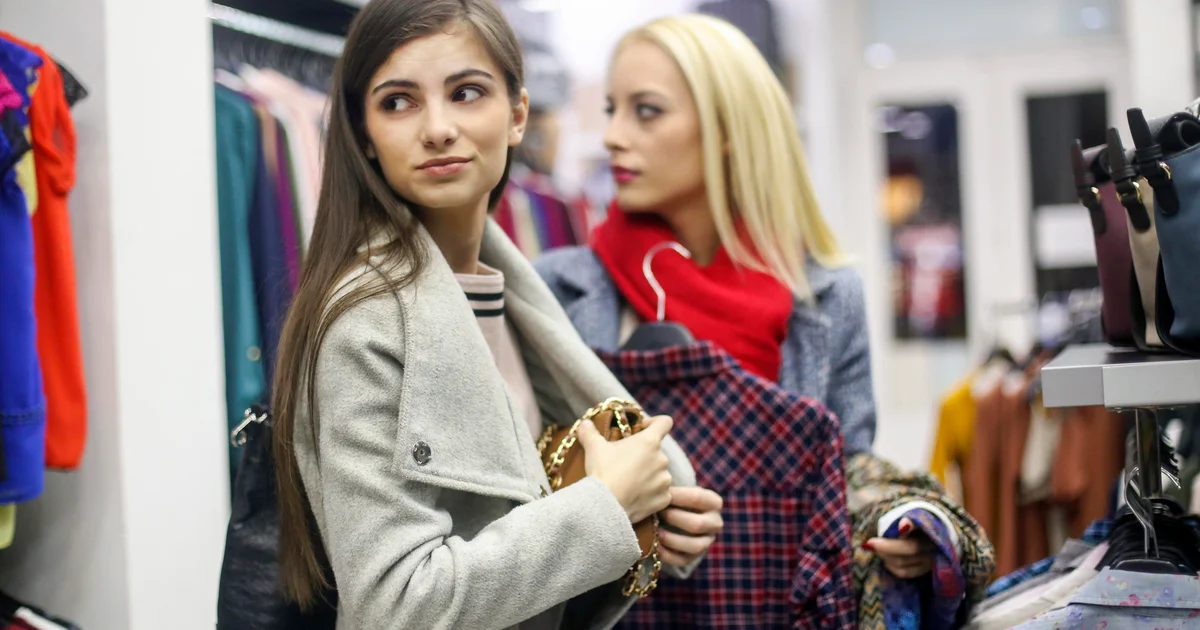

Shoplifting appears to be rising among U.S. consumers, with 30% of Americans saying they have stolen from stores this year, compared with 24% in 2024, according to new findings from the personal finance website LendingTree.
The survey, which polled 2,000 people in early June, found that roughly 9 in 10 respondents who acknowledged shoplifting pointed to high prices, affordability pressures and the overall economy as factors behind their decision to steal.
The report comes as inflation has picked up speed this year, driven in large part by the Iran war pushing oil and gasoline costs sharply higher. LendingTree said many people who admitted to theft described taking basic necessities rather than luxury or nonessential goods.
“These findings show how deeply inflation and financial stress continue to affect many households,” Matt Schulz, LendingTree’s chief consumer finance analyst, said in a statement. “When people are willing to risk the consequences of shoplifting for basics like food and personal hygiene products, it’s an unmistakable sign that many families are struggling mightily just to make ends meet.”
What are people stealing?
Everyday essentials topped the list of stolen items, with food and nonalcoholic beverages ranking as the most commonly shoplifted products, the study found.
Clothing followed closely behind, while personal care and hygiene products were the third-most frequently stolen category, according to LendingTree’s research.
Some consumers also said they had taken toys, tech gadgets, electronics and school supplies, suggesting financial pressure is stretching across multiple household needs.
Where are they stealing from?
Respondents who admitted to shoplifting said they were somewhat more likely to steal from large retail chains than from small, independently owned stores.
“Chain stores may be targeted more often because they’re more accessible, offer greater anonymity and tend to attract more shoppers,” Schulz said. “Large retailers often have heavy foot traffic, expansive layouts, self-checkout lanes and a wide selection of everyday essentials, making it easier for someone to blend in.”
READ MORE: Lara Trump Admits She Used AI to Edit Photo After Embarrassing Mistake
When asked which retailers were easiest to shoplift from, respondents most frequently identified Walmart, with 47% naming the retailer. Family Dollar was ranked second, followed by Amazon Fresh and Kroger.
What are the risks?
To be sure, there are tremendous risks to turning to shoplifting.
“Shoplifting may feel like a way to solve an immediate cash-flow problem, but getting caught can create a much bigger one,” Schulz said. “It can lead to short-term financial costs, including fines and legal fees, as well as longer-term consequences, such as making it harder to get a job or rent an apartment.”
Aimee Picchi