
A fifth person has died amid a Legionnaires’ disease outbreak in New York City, health officials announced Tuesday night.
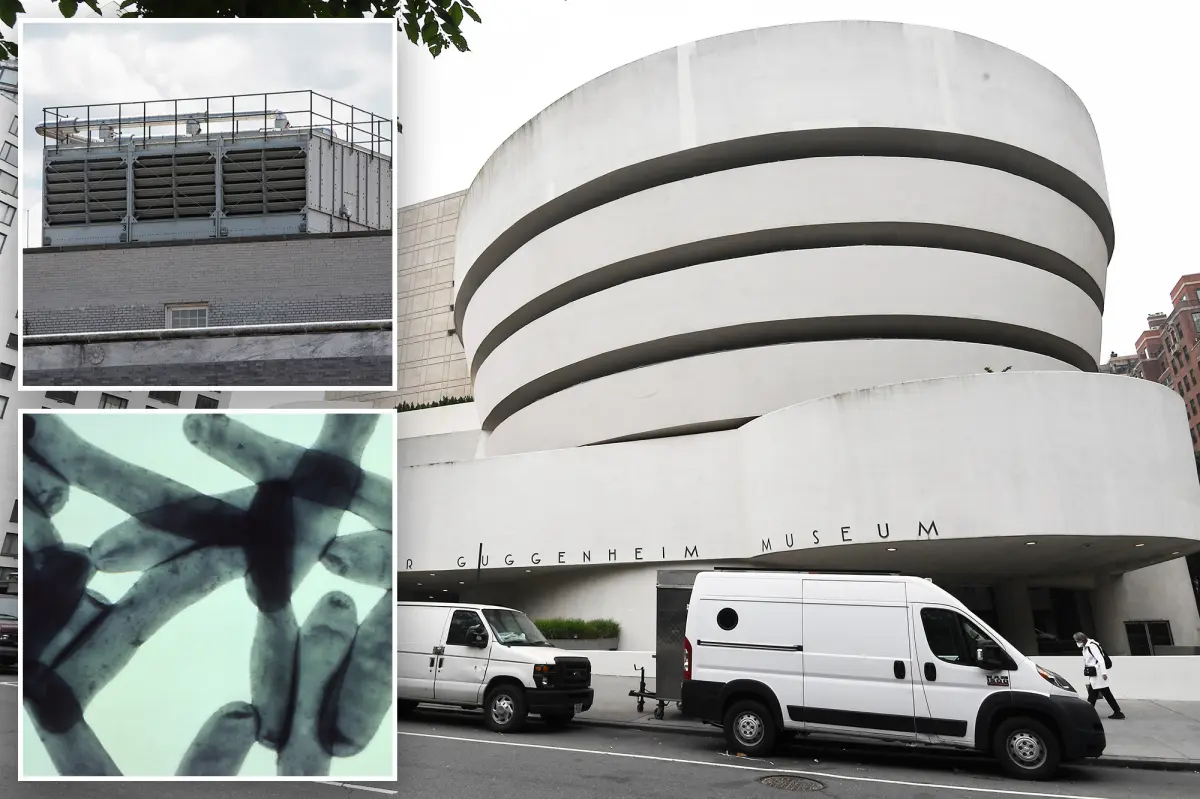
The New York City Health Department said testing has detected the bacteria in 34 cooling towers across 33 buildings, and all of those towers are now undergoing cleaning.
Investigators have not yet pinpointed the source of the Legionella bacteria behind the outbreak, which has sickened more than six dozen people over the past month.
In a news release, the department said no additional patients have reported symptoms in the past 10 days.
Legionnaires’ disease is a type of pneumonia that can be treated, though it is fatal in about 10% of cases, according to the US Centers for Disease Control and Prevention.
The illness is caused by Legionella bacteria, which thrive in warm water and can spread through sources such as hot tubs and building cooling systems.
People can become infected when they breathe in contaminated water droplets, but Legionnaires’ disease does not spread from one person to another.
Officials said eight people remain hospitalized, while 56 others who were treated in hospitals during the Upper East Side outbreak have since been discharged.
The city is cleaning and disinfecting a total of 82 cooling towers in 80 buildings, they said.
Inspections have shown that some of the tony neighborhood’s fancy apartment buildings, private schools and renowned museums had traces of Legionella bacteria in their air-cooling equipment — despite new regulations that upped testing requirements just this spring, and despite a budget boost to hire more inspectors.
Some owners of buildings that tested positive have said they have worked to stay on top of any Legionella threat.
The Guggenheim Museum, for instance, said in a statement that an outside company tests and treats the institution’s cooling tower every month.
The situation is avoidable and frustrating, said Jory Lange, a Texas attorney who represents over 50 people who were affected by an outbreak last year that killed seven people and sickened over 100 in New York’s Harlem neighborhood.
He’s representing at least three patients who are recovering in the Upper East Side outbreak.
“There’s no excuse for this to keep happening,” Lange said. “New York already has the best and strongest regulations … and yet this still keeps happening.”
New York City Health Commissioner Dr. Alister F. Martin said in a statement that the department’s quick action after the first two confirmed cases “saved lives.”
Martin said the department will learn what happened from the ongoing investigation and update policies and procedures with the goal of preventing future outbreaks.
After the Harlem outbreak, city leaders authorized the Health Department in November to hire 23 more Legionella-focused water ecologists and supervisors, bringing the intended total to 56.
The staff currently stands at 35, the department said in a statement Tuesday, noting that another 14 people are in a monthslong process of orientation, training and shadowing veteran inspectors. The department said it’s working to fill the final seven positions.
Nevertheless, the agency said it did nearly 1,600 cooling tower inspections in the first six months of the year, 35% more than during the same period in 2025.