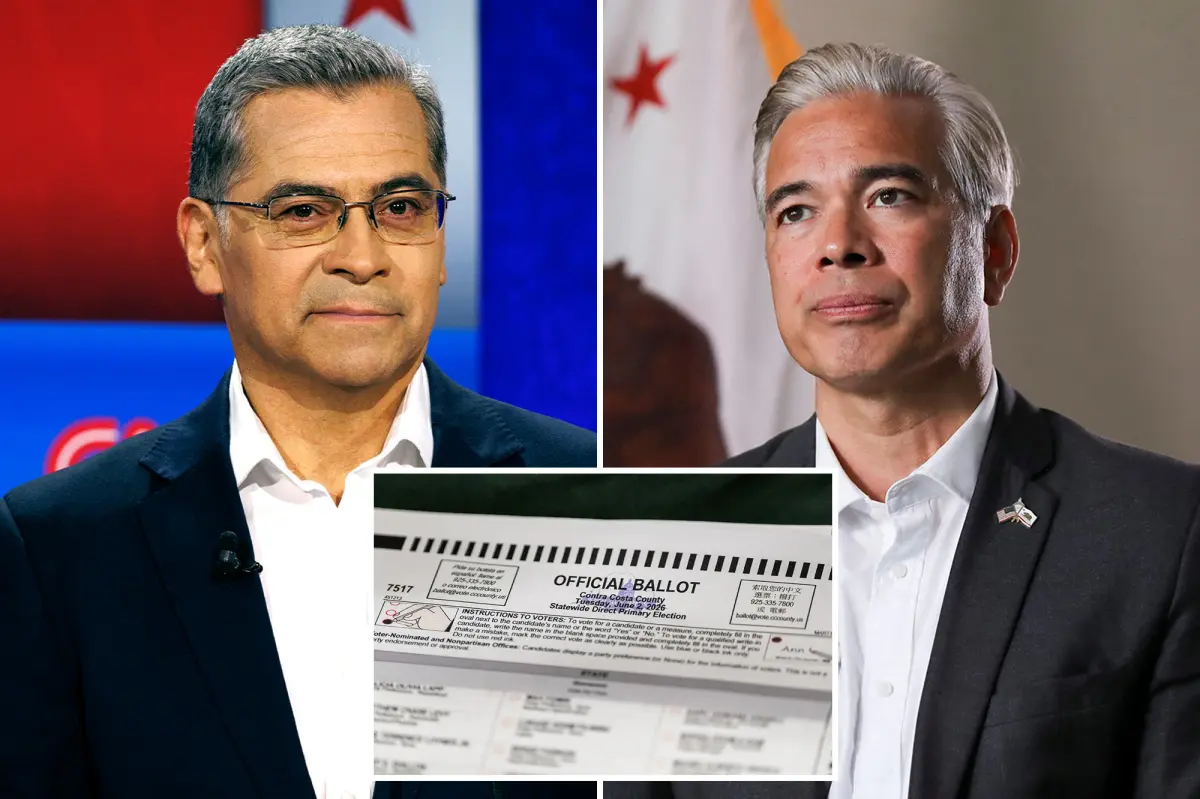

A late change by California Attorney General Rob Bonta to the official wording of a voter ID ballot measure has sparked fresh backlash, adding to a broader fight over whether the state’s ballot descriptions are being shaped in ways that influence election outcomes.
California allows residents to place proposed laws before voters through the initiative process. But before those measures appear on the ballot, the state attorney general must provide an official title and summary intended to explain the proposal to the public.
That responsibility has long been politically sensitive because the attorney general is an elected partisan office. With Democrat Rob Bonta currently in the role, critics have renewed accusations that attorneys general can rewrite ballot language in ways that confuse voters or give an advantage to their own party.
On Tuesday, Bonta revised the description of Proposition 39, a proposed voter ID law that would require Californians to show government identification when voting in person, or provide the last four digits of an ID number when casting a ballot by mail.
The measure is now described as one that “prohibits citizens from voting unless they present government-issued identification.” The earlier version said the proposal “establishes additional voter identification and citizenship verification requirements.”
Previous disputes over ballot language have centered on former California Attorney General Xavier Becerra, now considered a leading contender for governor, who faced a record six lawsuits challenging revisions made during his tenure.
Prop 22 (2020) Gig Workers
One notable example was Proposition 22, the ballot initiative that classified drivers and other workers for app-based companies such as Uber and Lyft as independent contractors rather than full-time employees entitled to benefits.
Becerra’s official description framed Proposition 22 as a measure that “exempts app-based transportation and delivery companies from providing employee benefits.”
READ MORE: Iranian Billboard Says Trump Is ‘Next’ After Death Threat Against Lindsey Graham
Download The California Post App, follow us on social, and subscribe to our newsletters
The original title was “changes employment classification rules for app-based transportation and delivery drivers.”
Proposition supporters blasted that language as aligning with arguments from opposing labor groups, traditional allies of Democrats.
Prop 6 (2018) Gas Tax Repeal
Becerra described the measure to let voters repeal the state’s gas taxes as something that “eliminates certain road repair and transportation funding,” given the gas tax is used for such projects.
Tax opponents cried foul but failed in court to overturn the language. Polling had shown that half of Californians supported repealing the 2017 gas tax increase, but when shown the ballot title it dropped to 39%.
Prop 15 (2020) Property Tax
This measure required commercial and industrial properties, except those zoned as commercial agriculture, to be taxed based on their market value rather than their purchase price. It would raise tax revenue, by as much as $12 billion a year, for funds to go to schools and local governments.
The measure was supported by labor unions and Democrats. Becerra’s title for the measure was: “Increases funding for public schools, community colleges, and local government services by changing tax assessment of commercial and industrial property.”
Business groups blasted the language for not portraying it as a tax increase.
Prop 5 (2024) Housing Bonds
This initiative lowered the voting threshold needed to pass certain general obligation bonds — which are bonds paid for by increased property taxes — for housing and infrastructure projects from two-thirds to 55%. The intent was to help spur more money to address the state’s homelessness crisis.
The Howard Jarvis Taxpayers Association challenged Bonta’s description, arguing the label only showed that the threshold would change to 55%. That would mislead voters into thinking the voting threshold actually increased from a simple majority to 55%.
The attorney general defended the description in court, arguing the office was entitled to presume voters understand existing law.
While a trial court ruled in the association’s favor, an appellate court gave the win to Bonta, ruling that it was within the attorney general’s “discretion” to write the description as he sees fit.