
Netflix
Jacob Elordi’s film career has moved at a remarkable pace, and many of his best movies show just how quickly the “Euphoria” breakout has become a go-to name for major filmmakers. Since landing his first acting credit in 2018, Elordi has worked with directors including Sofia Coppola, Emerald Fennell, Paul Schrader, Guillermo del Toro, and Ridley Scott, while also teaming with Justin Kurzel on a 2025 miniseries. Long before those higher-profile collaborations, however, he got his start in far less celebrated territory: Netflix’s “The Kissing Booth” trilogy, a run of teen romances that became hugely visible while earning plenty of scorn.
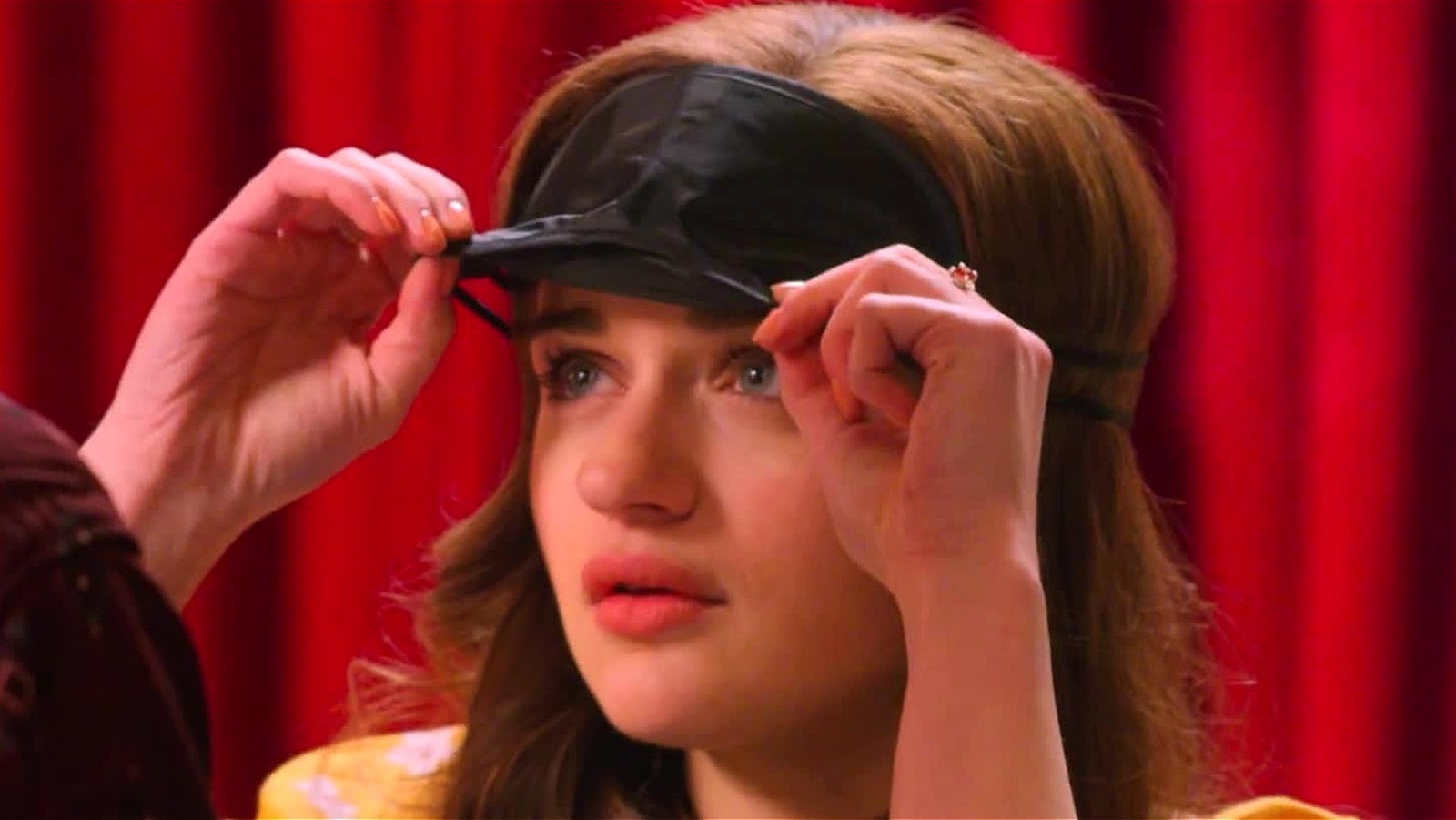
Starring Joey King, Joel Courtney, and Elordi, the three “Kissing Booth” films have never been treated as critical darlings. Elordi himself has made it clear he does not look back on them fondly, and the broader Letterboxd community has been similarly unforgiving. Ranking the trilogy from worst to best by average Letterboxd user score reveals just how poorly these movies have aged with many viewers. It is easy to poke fun at the glossy Netflix thumbnails, but the backlash runs deeper than presentation.
To understand why the trilogy is so often dismissed, it helps to look at the specific creative choices that frustrated audiences across all three entries. Elordi may be eager to leave this chapter behind, but the “Kissing Booth” movies remain a fascinating snapshot of his early career — one filled with big streaming exposure, chaotic teen melodrama, and some very low lows.
3. The Kissing Booth 3
Netflix
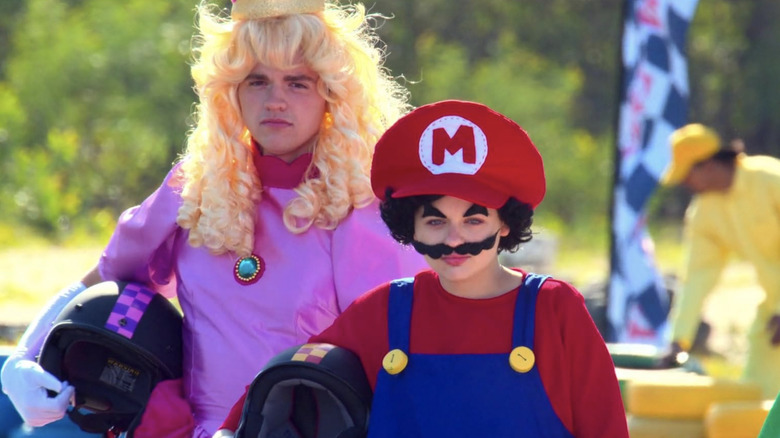
Director Lynne Ramsay once said, “When I walk into a cinema, I want to leave with an experience unrepeatable, unquotable, and indescribable.” For many viewers, “The Kissing Booth 3” managed to be all three for the wrong reasons. Ramsay was describing the impact of great cinema; this sequel, with its 1.4 Letterboxd rating, inspired a very different kind of disbelief. As a trilogy closer, it landed with a thud and helped cement the “Kissing Booth” series as one of those rare franchises widely criticized for failing to produce even one genuinely good installment.
The problems viewers pointed out were largely the same ones that plagued the first two films, only amplified. Letterboxd reviews frequently call out the clunky dialogue, thin characterization, and questionable styling choices, including some heavily mocked haircuts. For a franchise built around breezy romance and lighthearted teen drama, it is striking how often reactions to “The Kissing Booth 3” focus on how unpleasant the characters became. Many reviewers also treated the film as a milestone for Elordi himself: his time in the franchise was finally over, and that alone felt like a cause for celebration.
There was little else in “The Kissing Booth 3” for detractors to cheer. Like its predecessor, the film also stretched longer than expected, running a bloated 112 minutes. As the final chapter of the brand, this uneven romantic comedy brought the saga to a fittingly bleak conclusion.
2. The Kissing Booth 2
Netflix
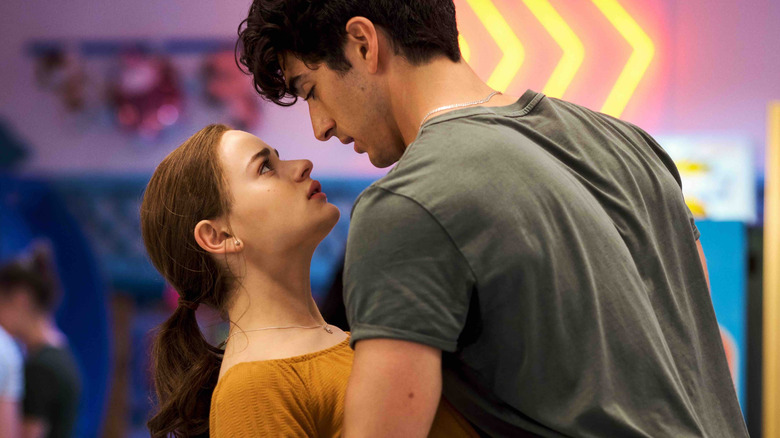
Filmmaker Charles Burnett once said, “You’re either a storyteller or a liar.” Judging by the 1.6 average Letterboxd rating for “The Kissing Booth 2” and the many complaints about its storytelling, viewers were not convinced this sequel belonged in the first category. Released two years after the original became the kind of Netflix spectacle people watched almost in disbelief, “The Kissing Booth 2” brought the same world back without meaningfully improving the formula. Instead, director Vince Marcello delivered a follow-up that many users ranked among the most frustrating sequels of its era.
One of the most common criticisms was its staggering 132-minute runtime. Long movies are not inherently a problem — plenty of great films run far longer — but audiences were baffled that “The Kissing Booth 2” lasted longer than acclaimed dramas such as “The Power of the Dog” and “Past Lives.” That was only one issue raised in Letterboxd reviews. The awkward dialogue from the first film returned in even rougher form, while the characters’ increasingly extreme behavior became one of the sequel’s most repeated punchlines.
1. The Kissing Booth
Netflix
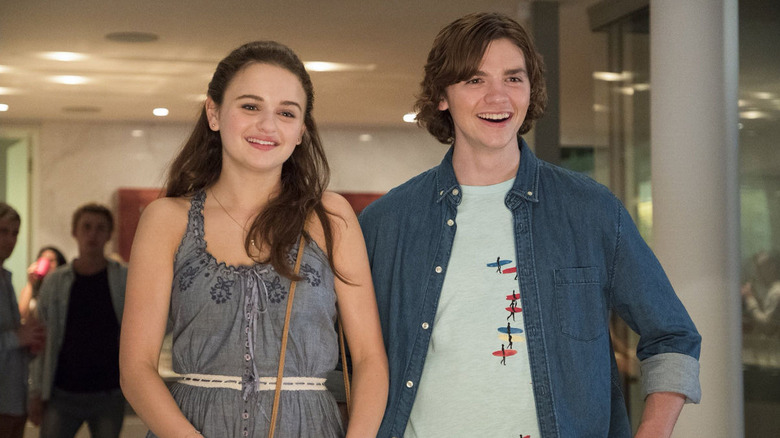
“Every time you make a film, you learn something,” iconic filmmaker Agnès Varda once remarked about this medium. “You approach other people, other people’s work, some landscape you never noticed before. It’s like giving sudden life to what you see and capturing the beauty in it.” These words don’t just speak to the empathetic and richly human approach informing her works like “The Gleaners and I” and “Faces Places.” It could also be true for those watching movies. Experiencing new pieces of cinema can be an opportunity to discover new corners of the human experience. That’s even true of the original “Kissing Booth” installment, which debuted on Netflix in 2018.
This feature’s general reception was nowhere near strong enough to make it one of the 10 best Netflix original movies of all time, according to Letterboxd users. Still, the site’s 1.7 average rating for “The Kissing Booth” did put it above its two successors amongst Letterboxd denizens. What did these reviewers “learn” from “The Kissing Booth?” Mostly what happens when out-of-touch adults try to write “hip” late-2010s teenage dialogue… and that people will make the most bizarre decisions when it comes to Jacob Elordi’s hairdos. “[Can’t] believe that this movie came out in 2018 and not in 2006,” said one Letterboxd user.
The assorted “Kissing Booth” reviews are mostly a cornucopia of witty barbs and dark jokes rather than any in-depth analysis. Being the first in this series, though, seems to have made it moderately more tolerable for this site’s residents. Maybe this entry also taught more to its viewers than its sequels.