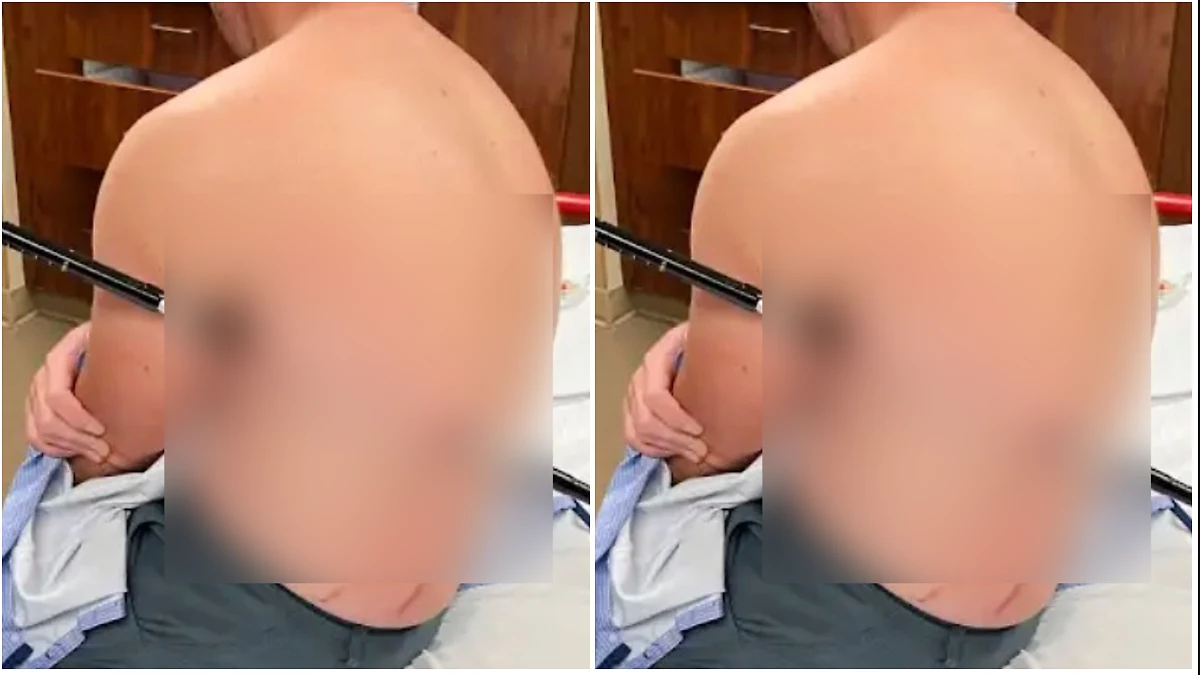

David Cifaldi was trekking across Montana’s foreboding Froze-to-Death Plateau with two friends, closing in on the summit of the state’s tallest mountain, when the backcountry trip suddenly turned alarming. During a fall, Cifaldi landed with devastating precision on his own trekking pole, which pierced his body.
The 44-inch (112-centimeter) pole, tipped with steel, drove through the soft tissue below his left arm and came out through his back. It appeared to have avoided major organs, but the situation was still serious. After talking it through with his hiking partners — and weighing the steep expense of a helicopter rescue — Cifaldi reached a startling conclusion: he would have to get himself down the mountain.
“I was like, ‘We’ve got to get off this mountain.’ And they’re both like, ‘I don’t know about that,’” Cifaldi said, describing his friends’ first response. “I’m pretty confident this is outside my chest wall. ’Tis but a flesh wound.”
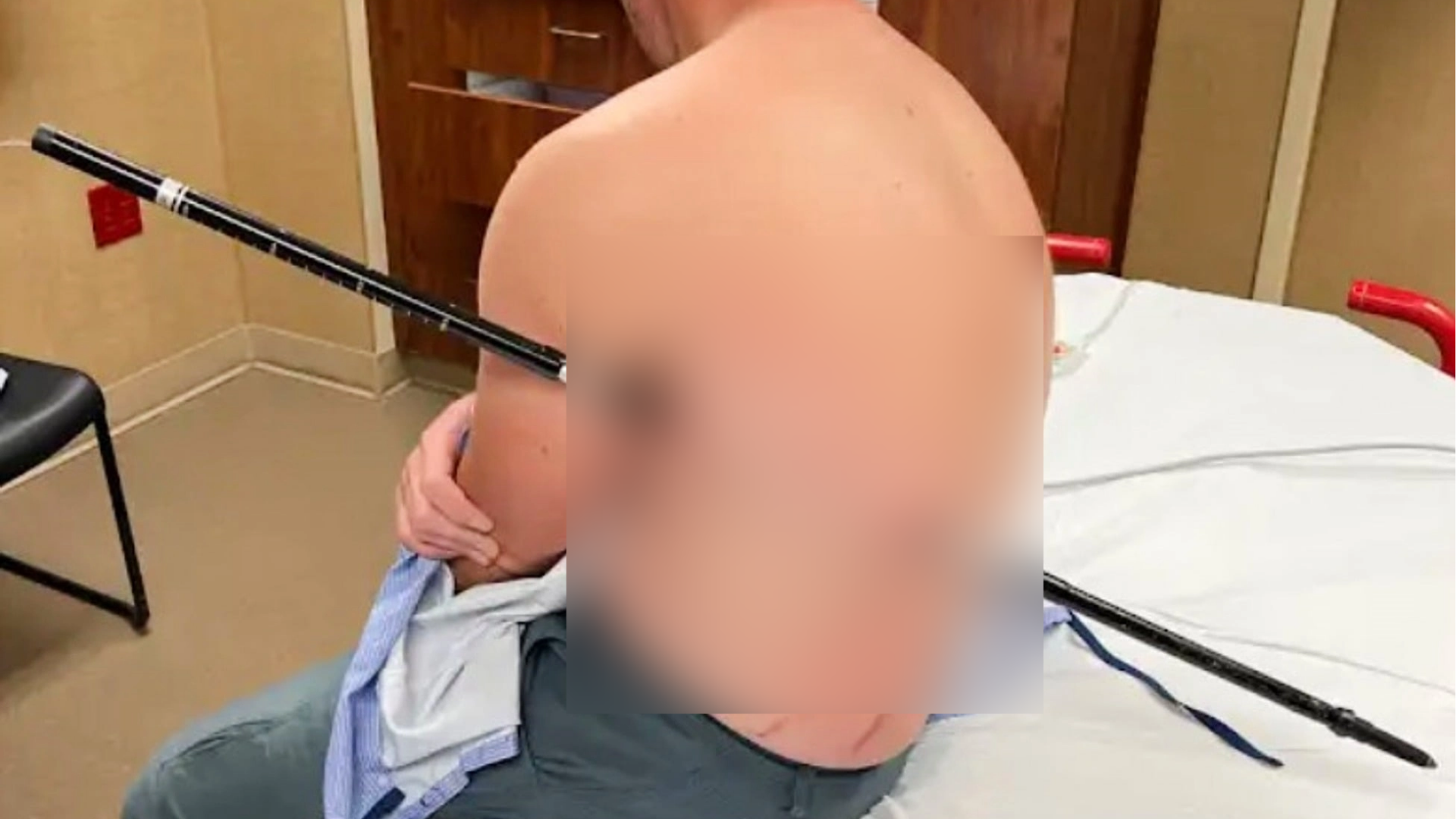
Cifaldi, a 32-year-old nurse who specializes in wound care at a Billings, Montana, hospital, quickly evaluated himself. He was conscious and clearheaded. The pain was limited, bleeding was minimal, and the pole seemed stable rather than shifting inside him. Using a Garmin inReach, a satellite communication device often carried in remote wilderness areas, the group contacted local officials and explained that they intended to make their own way out.
With that decision made, the three began the difficult descent. They moved cautiously off the plateau along an unmarked route, picking their way through rocks and snowfields before pushing through brush to reconnect with a maintained trail.
More than six hours later, after covering roughly 10 miles (16 kilometers) and dropping about 5,000 feet (1,500 meters) in elevation, they arrived at a trailhead where one of the hikers, Cifaldi’s friend Jesse Ross, had left a vehicle.
Ross said Cifaldi’s composure made the self-rescue possible. “The only reason it was possible at all was his confidence,” he recalled. “Who are we to say anything? He’s the medical person. Our job is just to support at that point.”
The climb had been a long-held goal for Cifaldi. Granite Peak, which rises to 12,800 feet (3,900 meters), is Montana’s highest summit and is notorious for fast-changing mountain weather, including severe lightning, freezing temperatures and punishing exposure. Each year, hundreds of climbers attempt the rugged route, and many never make the summit. In 2019, officials said a 65-year-old experienced climber from Minnesota fell about 150 feet (45 meters) to his death after nearly reaching the top of Granite Peak with his son.
As Cifaldi and his companions started hiking out, the pole awkwardly sticking out of his side, Stillwater County Search and Rescue team commander Ty Williams monitored the group’s progress via a dispatcher who took calls from the group.
The first call came in at 9:44 a.m. on July 20, right after Cifaldi impaled himself. At 1:30 p.m. the trio said they were getting closer to the trailhead and to let the nearest hospital know they were coming, Williams said.
“There was no danger to anybody else. He didn’t want our help and so we’re not going to essentially violate his rights or go against his wishes by forcing our help on him,” Williams said.
By about 3:30 p.m. the hikers were in Ross’ vehicle headed to the nearest clinic, Cifaldi said.
When they arrived, they were told Cifaldi needed more advanced treatment in Billings. So they got back in Ross’ truck and kept driving to the hospital where he works, St. Vincent Regional Hospital.
Doctors removed the pole, bandaged him up and Cifaldi was back at work this week.
“I think 99 times out of a hundred I would make the same decision,” Cifaldi said as he sat in Ross’ front yard in Billings. “Search and rescue coming to help you is free. The flight’s not. That was a factor in me deciding to self-rescue. But the fact that I had two experienced great friends with me and we had the ability to contact search and rescue if something went wrong made that a lot more of an easy decision.”
Copyright © 2026 by The Associated Press. All Rights Reserved.