
BERLIN – Western Europe’s punishing summer heat has pushed the region past a key climate benchmark, with average temperatures for June and July exceeding the previous record set in 2022, the European climate agency Copernicus said.
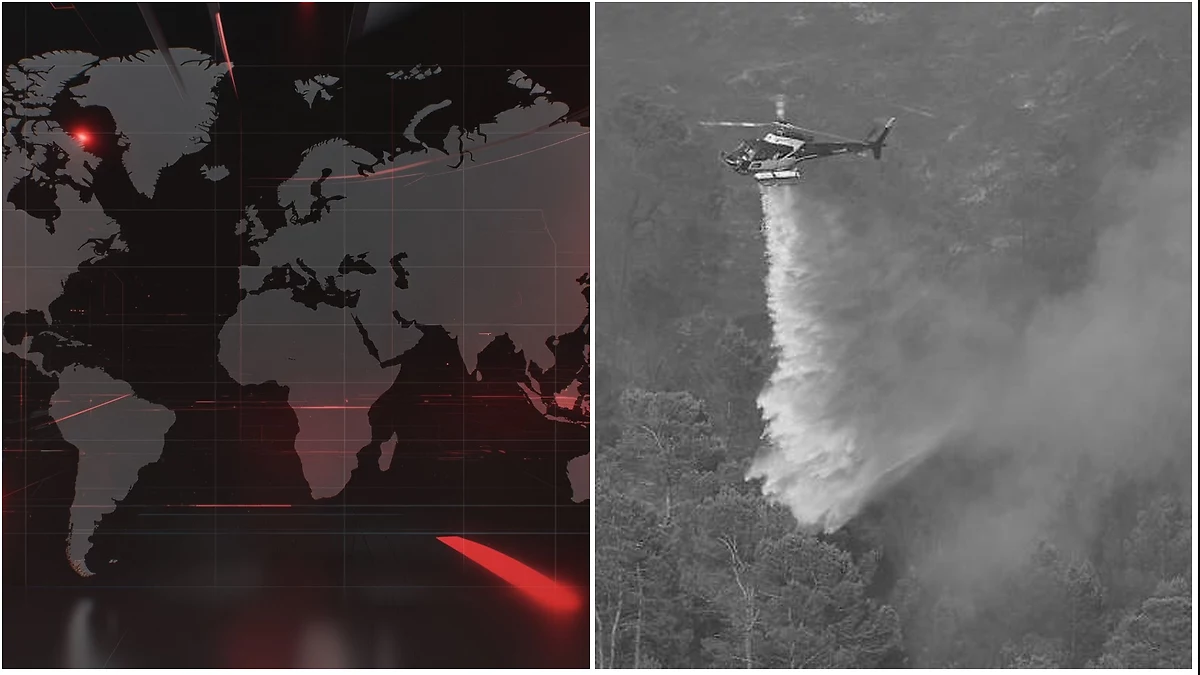
The stretch of extreme heat began in May and has helped fuel major wildfires, deepen prolonged drought and drive new national temperature records across Western Europe. It has also been linked to thousands of projected heat-related deaths.
On a global scale, climate data show this year is currently the third-hottest on record, trailing 2024 and 2025. But scientists say 2026 could still climb higher before the year is over. With human-driven global warming accelerating and a powerful El Niño — the periodic warming of parts of the Pacific that can shift temperatures worldwide — there is a growing chance that 2026 could overtake 2024 as the hottest year ever recorded, or at least come very close.
Copernicus also reported that July brought the highest average sea surface temperature ever measured for the month across the world’s extra-polar oceans — waters outside areas covered by seasonal sea ice.
The agency said developing El Niño conditions in the equatorial Pacific helped drive the increase. The new July average reached 20.96 degrees Celsius (69.73 degrees Fahrenheit), surpassing the 2023 record of 20.89 C (69.60 F).
Even so, July’s global average surface air temperature stood at 16.90 C (62.42 F), making it the joint second-warmest July on record, tied with July 2024, according to Copernicus.
In Western Europe, the June-July average temperature reached 21.62 C (70.92 F), setting a new record for the period, the climate service said.
“Persistent high-pressure systems trapped heat over western Europe, the extreme temperatures also amplified widespread drought. As soils dry out, they lose their ability to provide natural cooling, allowing heat to build more readily,” said Samantha Burgess, strategic lead for climate at the European Centre for Medium-Range Weather Forecasts.
“This is a clear example of how climate change is intensifying heat extremes, with heat and drought increasingly reinforcing one another.”


