
Britons receiving benefits could be offered non-cash help, including therapy or nutritious meal support, instead of direct payments as part of Labour’s planned welfare reforms, it has emerged.
Since entering Downing Street, Prime Minister Andy Burnham has vowed to “get really serious” about bringing down the UK’s rapidly rising welfare bill.
However, he has rejected the idea of “crude cuts” to benefits, amid warnings that Labour’s Left could rebel if the Government adopts what critics would see as a “punitive” strategy for reducing welfare spending.
Stephen Timms is currently leading a major review of Personal Independence Payment, known as PIP, the principal disability benefit in England and Wales.
An interim report from the review, published last month, did not rule out the prospect of replacing some cash payments with alternative support within the benefits system.
“Though the Review knows that PIP does help with independent living, it is unclear if other forms of support would be more effective,” the report said.
Fresh research from the Good Growth Foundation, a think tank with close Labour ties, found that almost half of claimants would be willing to give up £1,000 a year in cash benefits in return for services such as counselling, therapy and healthy meals.
The think tank is headed by Praful Nargund, a skills adviser to Work and Pensions Secretary Pat McFadden, and The Times reported that ministers are expected to examine proposals that could see financial benefits replaced with other forms of support in certain cases.

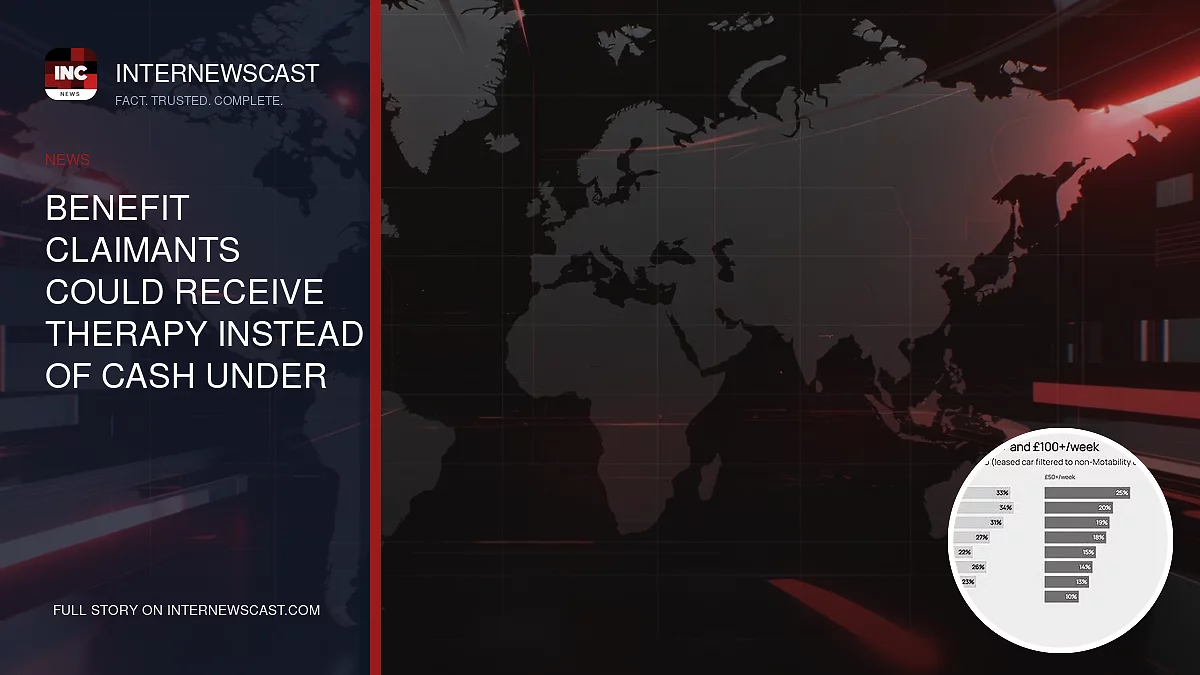
A poll of 1,000 claimants found 20 per cent would exchange £50 or more per week for home support such as a carer, with physiotherapy or healthy meals (19 per cent) close behind

Those aged 16 to 34 were more likely to opt for a service over cash and were more keen on employment-focused services, the Good Growth Foundation think tank found
The number of people in England and Wales claiming PIP has now passed four million for the first time, with the number of claimants having roughly doubled since 2019.
Spending on PIP – which is intended to help with everyday tasks and extra living costs if someone has a long-term physical or mental health condition or disability – is forecast to rise to more than £41billion by the end of the decade.
The Good Growth Foundation polled recipients of health and disability benefits – including PIP – and found nearly half would voluntarily exchange part of their cash benefit for services like home support, physiotherapy, therapy, or skills training.
The research showed that 49 per cent of benefit claimants would exchange at least £20 a week of their cash benefit for at least one service, while one in three (31 per cent) would exchange at least £50 – the equivalent of £2,600 a year.
Across all 1,000 claimants polled, one in five would exchange £50 or more per week for home support such as a carer (20 per cent), with physiotherapy (19 per cent) and home adaptations (18 per cent) close behind
Those aged 16 to 34 were more likely to opt for a service over cash and were more keen on employment-focused services, the think tank found.
It proposed that the Department of Work and Pensions (DWP) ‘offer a voluntary menu of services alongside existing cash entitlements, allowing claimants to exchange part of their benefit for support the state procures at better than market value’.
The Good Growth Foundation suggested that such a model could deliver billions of pounds a year in savings.
The potential services that benefit claimants were asked about included weekly physiotherapy or personal trainer sessions; delivery of healthy ready meals or recipe boxes; regular weekly support with cleaning or shopping; and weekly counselling or cognitive behavioural therapy sessions to help manage conditions like anxiety, depression, or chronic fatigue.

Data from the Department for Work and Pensions (DWP) showed there were four million claimants entitled to Personal Independence Payment (PIP) at the end of April
Louisa Dollimore, the director of strategy at the Good Growth Foundation, said: ‘Our benefits system needs to start with the idea that everyone, whatever their condition, should have the chance to live the fullest life possible.
‘And it is the state’s job to unlock that potential. Our research shows many people don’t just want cash, they want services which will help them get on in life.
‘We need to move from a passive system that maintains people where they are, to an active one that invests in where they could be, through therapy, skills, job coaching, home support and the other services people actually want.’
A DWP spokesperson said: ‘The Government has committed to reforming PIP, and has commissioned the Timms review, co-produced with disabled people, to ensure it is fit for the future. Their final report is due later this year.’