
Britain’s jobs market has flashed a “red light”, with new figures showing vacancies at their lowest level in 12 years outside the Covid pandemic.
The warning comes less than a week before Chancellor John Healey is due to deliver the Budget, as official figures highlight the fragile state of the UK labour market.
Unemployment fell slightly in the three months to August, but the number of people recorded on payrolls was still 66,000 lower in September than a year earlier.
Meanwhile, the closely monitored vacancies measure fell by 21,000 to 691,000 in the three months to September.
It was the sharpest decline since the three months to March. The total number of vacancies was also the lowest recorded since July to September 2014, excluding the period affected by the pandemic.
The Office for National Statistics (ONS) said the fall was driven largely by smaller businesses, many of which are struggling to absorb rising employment costs.
The Labour government has increased employers’ national insurance contributions, raised the minimum wage and introduced additional workers’ rights.
David Freeman, the ONS deputy director of labour market statistics, said: “While the labour market remains broadly flat in 2026, the latest quarterly figures show the employment rate edging higher and unemployment falling slightly.
“The number of workers on payrolls remains a little lower than over the same period, although the latest monthly figures suggest it may be beginning to level off.
“Vacancies recorded their biggest fall since the beginning of the year, with the decline concentrated mainly among smaller businesses that identified higher labour costs as a key factor.
“Regular wage growth was relatively stable, but total pay, including bonuses, slowed to its weakest rate in almost six years.”

Vacancies fell by 21,000 to 691,000 in the three months to September

ONS figures show the seasonally adjusted UK unemployment rate for people aged 16 and over

The seasonally adjusted UK average regular earnings growth rate, measured over three months

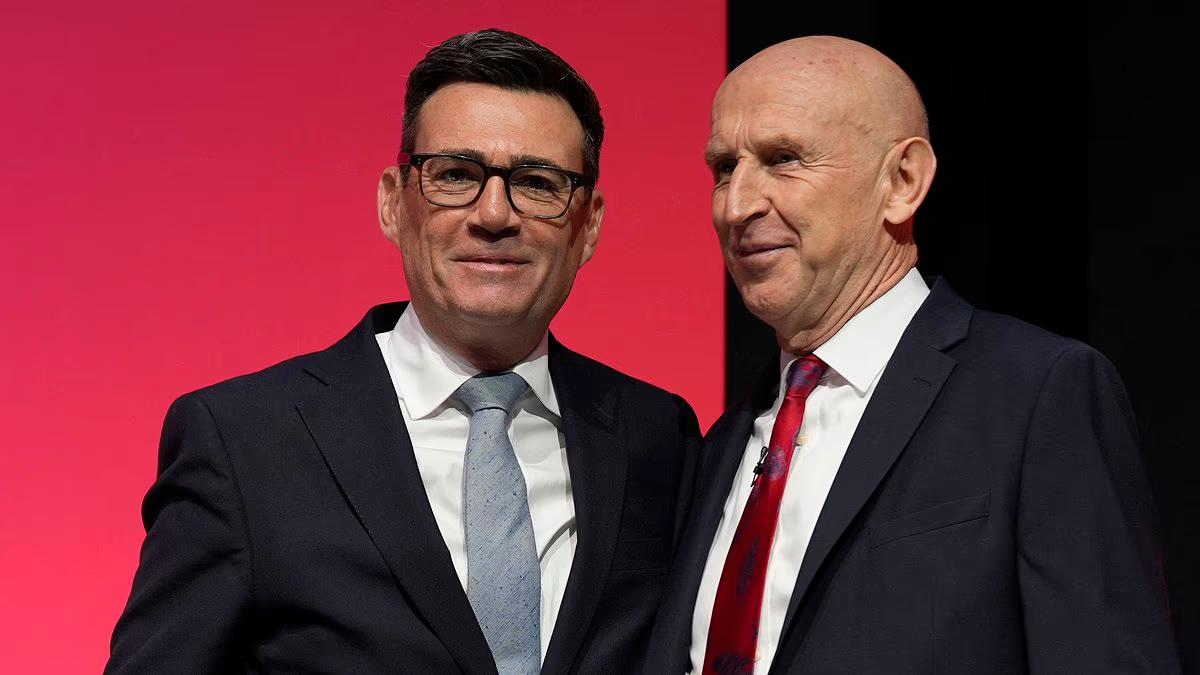
Prime Minister Andy Burnham and Chancellor John Healey at last month’s Labour Party conference
The figures follow a Confederation of British Industry survey last week that found rising labour costs and employment regulations were making it more difficult for companies to create jobs and provide training opportunities.
Businesses have urged the Chancellor not to add further pressure when he delivers his fiscal package on October 28.
KEEP READING: Interior Designer Who Mended Hairy Biker Si King’s ‘Lost’ Heart
Mr Healey is understood to have ruled out increasing capital gains tax, despite pressure from Labour’s Left, including several senior ministers.
However, he is widely expected to target banks as he seeks to strengthen the public finances amid the crisis in the Middle East.
The ONS said the unemployment rate had risen at the beginning of the coronavirus pandemic in 2020, following declines that had continued since late 2013.
From early 2021, it dropped to below pre-pandemic rates until mid-2022 – but the rate has been largely increasing since.
The number of people that were unemployed for up to six months, and between six and 12 months, decreased over the year and on the quarter.
The number of those employed for over 12 months rose over the year and in the latest quarter.
The ONS said the decrease in the number of people unemployed over the year was the result of a fall in the number of unemployed women.
Suren Thiru of ICAEW said: ‘The UK labour market is running on idle, with employers still limiting recruitment and pay awards in response to surging cost pressures and pre-Budget policy uncertainty.
‘While weak wage growth should reassure rate-setters that the Iran-driven energy shock is not yet fuelling a broader inflation spiral, it also means the cost-of-living squeeze persists, increasing pressure on the Chancellor to act in next week’s Budget.
‘The continued fall in vacancies is a flashing red warning light for the labour market, suggesting that a damaging side effect of this year’s AI-fuelled economic growth has been weaker hiring demand, compounded by elevated employment costs.
‘The UK jobs market is facing a tougher end to the year with unemployment likely climbing back above 5 per cent as the financial squeeze from rising energy costs and greater automation restrains hiring, particularly if the Budget brings further tax hikes.’
The unemployment rate estimates the number of people without a job who have been actively seeking work within the last four weeks and are available to start work within the next two weeks.
The rate is not the proportion of the total population that are unemployed.
It is the proportion of the economically active population – meaning those in work plus those seeking and available to work – who are unemployed.
Work and Pensions Pat McFadden said: ‘Today’s figures show the resilience of our labour market with unemployment falling and the UK’s employment rate now the third highest in the G7, despite a backdrop of global uncertainty.
‘But too many young people still find themselves locked out of employment. That’s why are working with industry, to bring young people back into the labour market and prevent them from drifting into the welfare system.
‘The hospitality and retail sectors have committed to 200,000 jobs for young people not in education, work or training through this partnership, to give them the opportunities they need to get started and build a successful career.’


