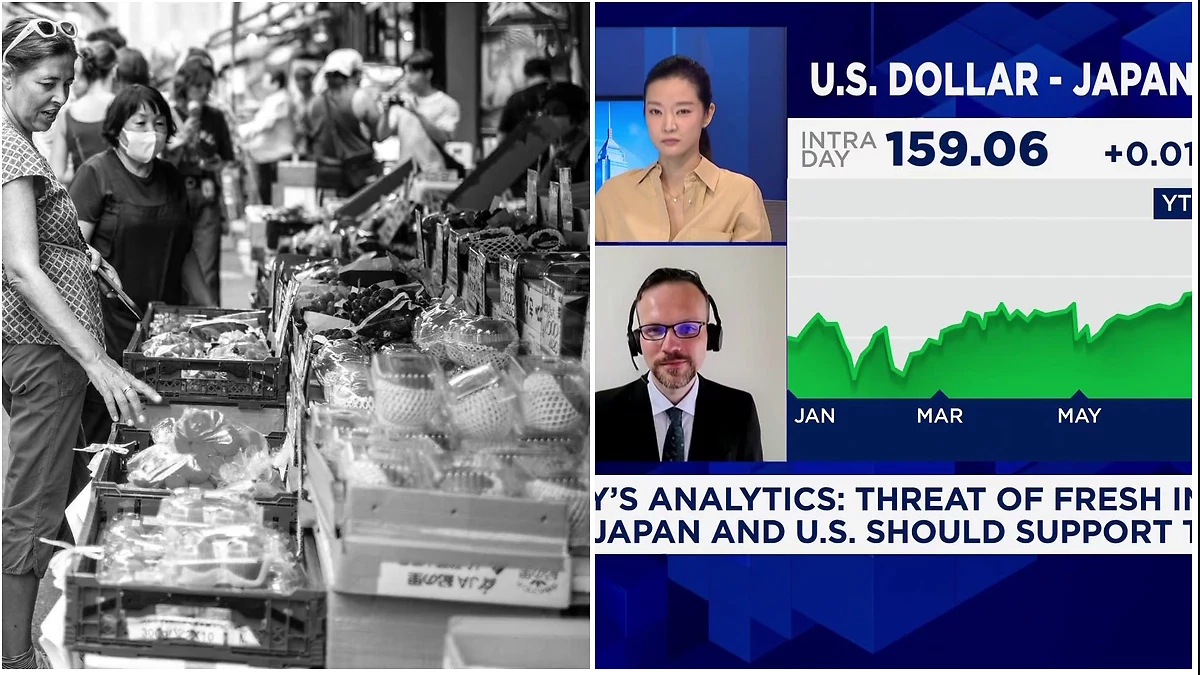

Shoppers browse fruit displays at Tokyo’s Tsukiji Outer Market on August 22, 2025. (Photo by Philip FONG / AFP) (Photo by PHILIP FONG/AFP via Getty Images)
Philip Fong | AFP | Getty Images
Japan’s headline inflation accelerated to 1.9% in July, marking its highest reading of the year, as rising energy costs tied to the Iran war added fresh pressure on household prices.
Core inflation, which excludes volatile fresh food prices but still factors in energy, matched market expectations at 1.8%.
Energy prices climbed for the first time since November 2025, even with government subsidies in place, as elevated oil costs stemming from the Middle East conflict filtered through the economy. The pressure was also evident in wholesale inflation, which reached 7.2% in July, with electricity charges making the biggest contribution.
Fresh food costs also jumped sharply, rising 7% from a year earlier after a 3.9% increase in June.
Analysts have previously told CNBC that Japan’s comparatively modest consumer inflation has been held down in part by subsidies from Prime Minister Sanae Takaichi’s government, which has sought to cushion households from higher energy bills.
Japan’s so-called “core-core” inflation measure, which removes both fresh food and energy prices, stood at 1.9%.
The Bank of Japan warned in its outlook report last month that core inflation was likely to accelerate to a level “clearly above” 2% from the second half of its 2026 fiscal year, which runs from September to March.
It cited wage increases being passed along into selling prices, the rise in crude oil prices and the recent depreciation of the yen. Inflation should then come down toward 2% as oil declines, it said.
The rise in headline inflation to 1.9% “strengthens our conviction that the BOJ’s next move is likely to be a rate hike in September,” according to Krishna Bhimavarapu, APAC economist at State Street Investment Management.
While domestic demand remains resilient, he noted, food prices warrant closer attention, given their larger weight in Japan’s CPI basket, adding that there could also be El Nino-related disruptions to global agricultural supply.
Food prices, especially for rice, were a hot topic in Japan last year, even costing the country’s then-farm minister Taku Eto his job after he made comments over receiving free rice from supporters.


