
A Nevada jury has convicted the man accused in the killing of Tupac Shakur, closing a major chapter in one of the music world’s most enduring and closely watched murder cases.
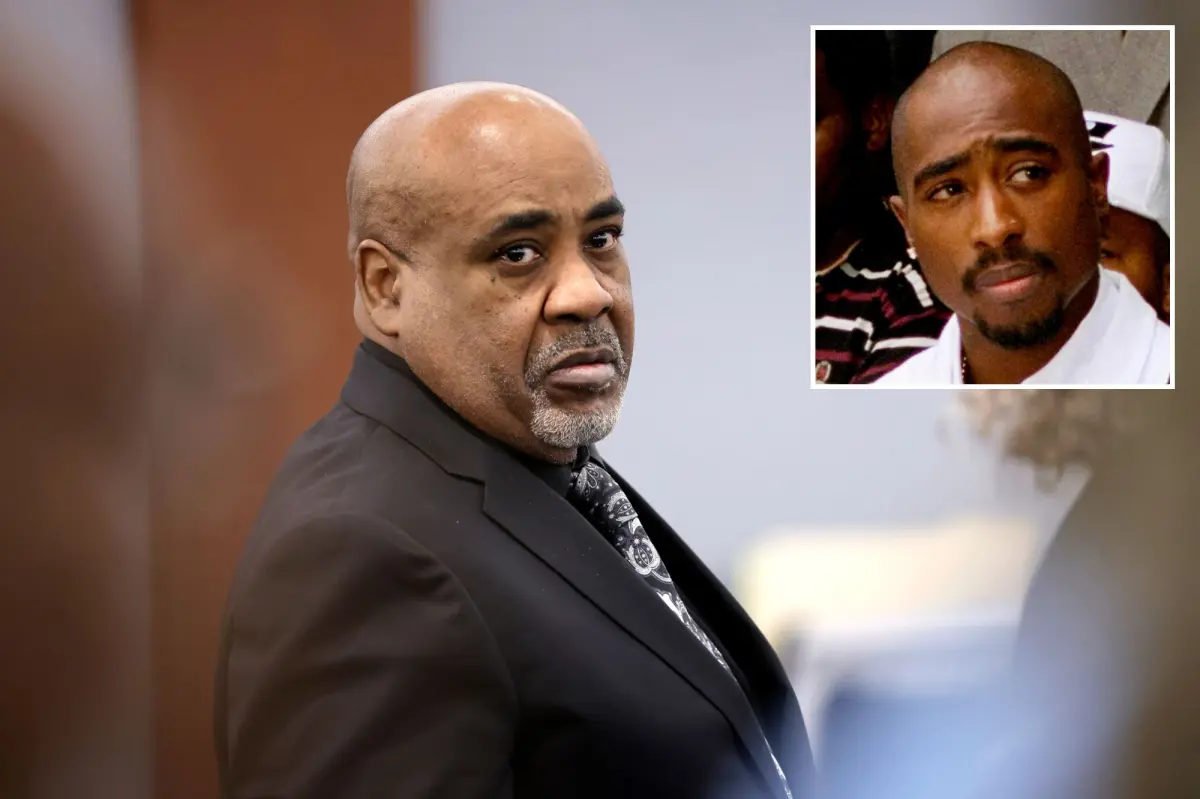
Duane “Keffe D” Davis, 63, received the verdict Monday in a Las Vegas courtroom following a trial that lasted roughly two weeks.
Davis, once described as a powerful “shot caller” in a Los Angeles-based Crips chapter, became the first person held criminally accountable for Shakur’s death, which stemmed from a drive-by shooting on a Las Vegas street on Sept. 7, 1996.

Shakur, a defining voice in hip-hop’s rapid rise, was riding in a vehicle when another car pulled alongside and gunfire erupted. He was struck multiple times and died several days later at age 25.
Prosecutors did not claim Davis fired the fatal shots. Instead, they argued he supplied the gun to the shooter — widely believed for years to have been his nephew, Orlando Anderson, who was killed in a gang-related shootout two years later — and helped plan the ambush.
RELATED: Deliveroo Rider Encampment Leaves Local Residents Concerned for Safety
Much of the case rested on Davis’ own statements. Authorities said he implicated himself while seeking to avoid possible charges in 2008, then laid out details of the alleged plot in a 2019 memoir that ultimately helped lead to his 2023 arrest.
Davis’ legal team countered that those remarks were not reliable admissions but exaggerations and fabrications. Defense attorney Michael Sanft dismissed the memoir as “historical fiction,” likening it to the Hollywood blockbuster “Titanic.”
“Has anybody seen the documentary called ‘Titanic,’ with Jack and Rose?” Sanft quipped during closing arguments.
But prosecutors argued Davis’ own statements were just the icing on the cake — saying the case was “drenched with circumstantial evidence” placing him in the middle of the crime.
His nephew had been beaten up by Shakur — said to be affiliated with a rival Blood gang — just hours before the killing, which prosecutors argued necessitated a violent response by unspoken gangland rules.
“That was the nature of the gang life in the 1990s in Compton – you had no choice, you could not go back to Compton after being beaten publicly,” Chief Deputy District Attorney Binu Palal said during his closing arguments.
That response was organized by an enraged Davis, who Palal said “got a gun and went hunting for Tupac Shakur.”
This is a developing story. Please check back for updates.