
Pill testing will be introduced at music festivals across New South Wales this summer following a successful year-long trial, though the Coalition has pledged to abolish the policy if it wins government next year.
The NSW government has committed $4.3million to extend the drug-checking service, allowing festival-goers to anonymously test the contents of substances at selected events from October.
The decision follows the release of a March report into the state’s pill testing trial, which found the program helped reduce the risks and harms linked to illicit drug use at music festivals.
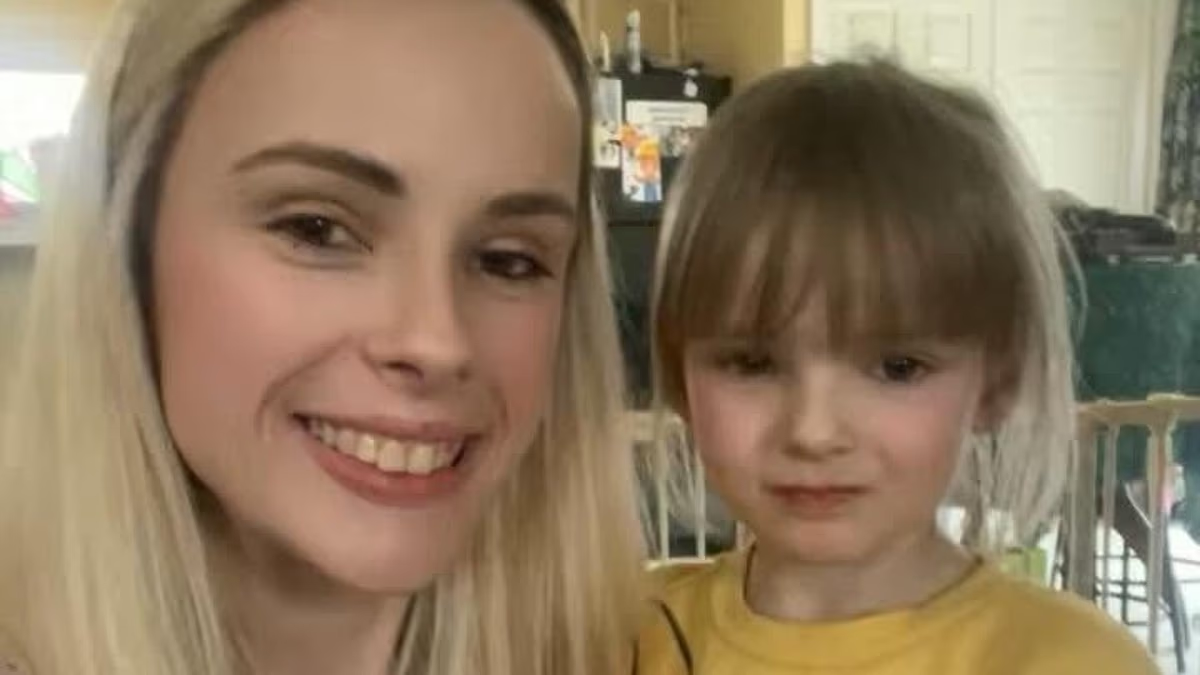
Jennie Ross-King, whose 19-year-old daughter Alex died from an MDMA overdose at a music festival in 2019, has been a prominent advocate for drug law reform in the years since her daughter’s death.
An inquest later found Alex had taken an unusually large amount of MDMA before entering the festival because she feared being detected with the drugs by police.
Ms Ross-King welcomed Wednesday’s announcement, saying young people should not lose their lives because of a single decision.
‘This will go a long way towards giving young people the information they need to make safer choices and, ultimately, ensuring they come home safely to the people who love them,’ she said.
NSW Health will now consult with the music festival sector and harm reduction groups to identify up to 15 festivals to participate in the pill testing program.

The NSW Government says illicit drugs remain illegal but hopes pill testing will help reduce drug-related deaths

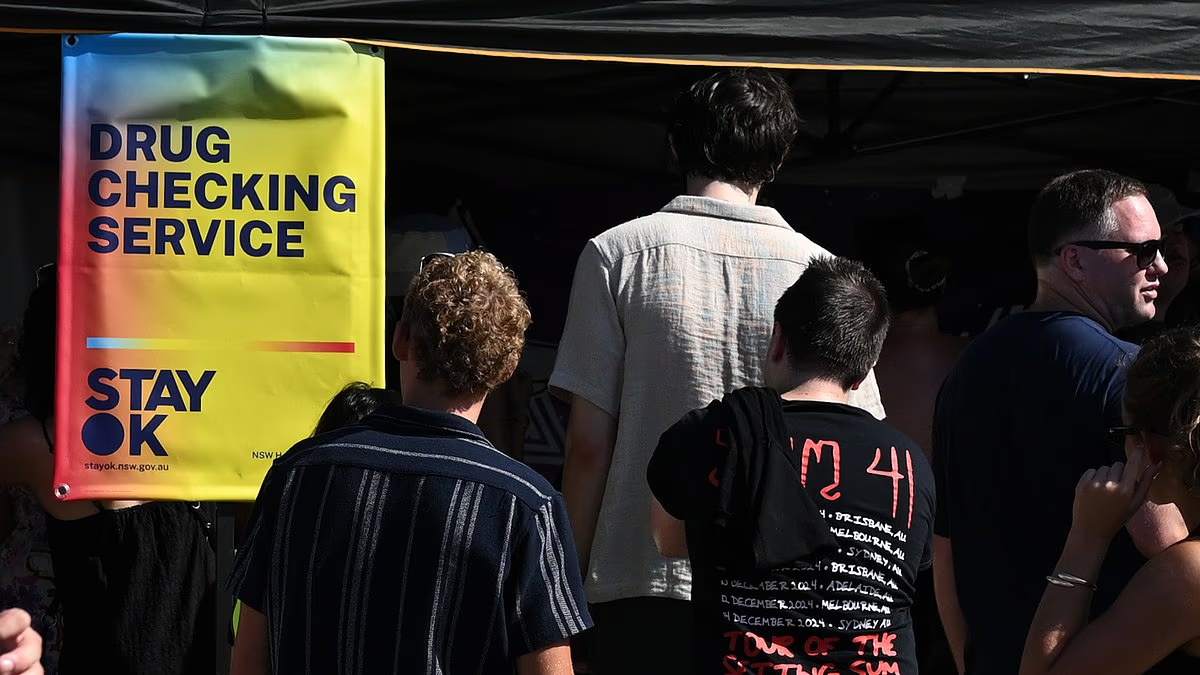
$4.3million has been pledged to continue pill testing after a 12-month trial. Pictured, The pill testing trial site at the Yours & Owls Music Festival in Wollongong in March 2025
But drug law reform group Unharm said pill testing should be extended beyond music festivals.
Chief executive Will Tregoning said research found roughly three-quarters of MDMA-related deaths occurred at private residences, while only seven per cent happened at festivals or dance parties.
‘These services shouldn’t be restricted only to people who can afford to attend festivals – they need to be expanded to community-based sites in NSW,’ he said.
The call was echoed by Greens MP Cate Faehrmann, who said highly dangerous substances were increasingly being found in common street drugs like cocaine, ketamine, methamphetamine and MDMA.
‘Permanent drug checking services in the community are essential if we’re to save more lives,’ she said.
Community pill testing is already in place in the ACT and Victoria, with mobile testing also available at certain events.
But Queensland became the first state to ban pill testing altogether a year ago, resulting in the closure of existing services.
NSW Health Minister Ryan Park said that, while pill testing could reduce harm, the government did not endorse illicit drug use.

Opposition Leader Kellie Sloane said the policy was sending ‘mixed signals’ about drugs
‘Let me be clear, no level of illicit drug use is safe and drug checking services are not a silver bullet,’ Mr Park said.
NSW Police have vowed to keep a highly visible presence, including sniffer dogs, at festivals with pill testing sites.
More than 20 people were charged with drug possession at the Yours and Owls festival in Wollongong in March 2025.
The festival was the first to take part in the pill testing pilot program.
The Coalition has vowed to scrap the policy if it wins government at the March state election, arguing it sends conflicting messages about drug use.
Opposition Leader Kellie Sloane accused the Minns Government of effectively providing ‘quality control’ for organised crime groups and drug dealers through the testing program.
‘The Minns Labor Government is waving the white flag when it comes to drugs while organised crime gangs profit off selling this poison to our kids,’ Ms Sloane said.
‘Labor has its priorities wrong, announcing pill testing at a time when gangland crime is out of control and innocent people are being killed.
‘My government will be clear-eyed on this issue by going after the drug dealers profiting from illegal drugs, not giving young people a false sense of security that drugs are safe to take.’
Shadow Health Minister Sarah Mitchell also criticised the policy, pointing to the 14 suspected drug overdoses recorded at Sydney’s Knockout Festival last October, where pill testing was available.
‘The Health Minister can’t have it both ways on this issue. Either illicit drugs are dangerous and the government should be doing everything it can to stop young people taking them, or the government is willing to help young people take them. It is clear which approach the Minns Labor Government has taken,’ Ms Mitchell said.
‘Normalising drug use at festivals, rather than deterring it, undermines decades of messaging to young people about the harm of illicit drugs.’
Lifeline 13 11 14
beyondblue 1300 22 4636