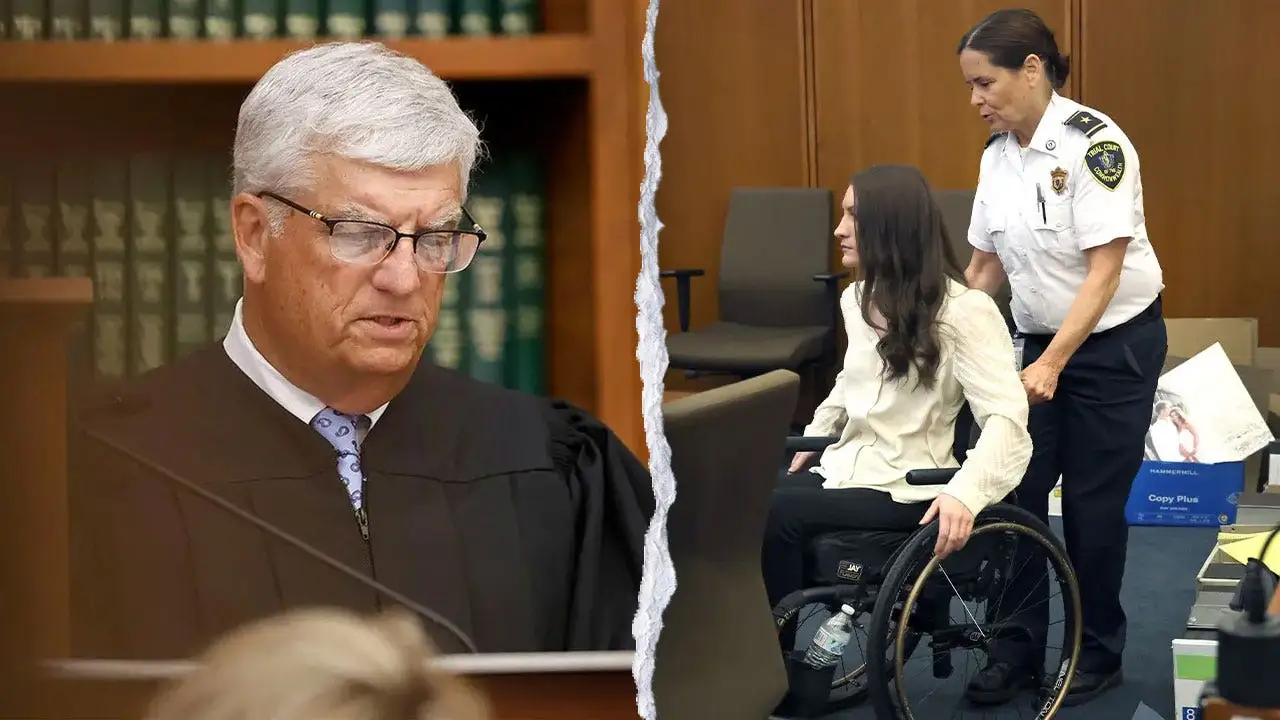

Jurors in Lindsay Clancy’s murder trial deliberated for a fifth day Wednesday, telling the court for the second time that they were deadlocked before receiving an uncommon instruction from the judge to keep trying to reach a verdict. They ended the day still unable to come to a unanimous decision.
The development moved the high-profile Massachusetts case closer to a possible mistrial, although the jury is expected to return Thursday for further deliberations.
The jury, made up of nine women and three men, resumed its work Wednesday after informing Plymouth Superior Court Judge William Sullivan on Tuesday that it could not agree unanimously on a verdict.
After the panel again said Wednesday that it remained at an impasse, Sullivan issued what is known as a Tuey-Rodriguez charge, a formal instruction that urges jurors to continue weighing the evidence and one another’s views while cautioning them not to surrender sincerely held beliefs simply for the sake of unanimity.
The jurors deliberated for several additional hours after receiving the instruction, but Sullivan ultimately sent them home for the evening without a verdict.
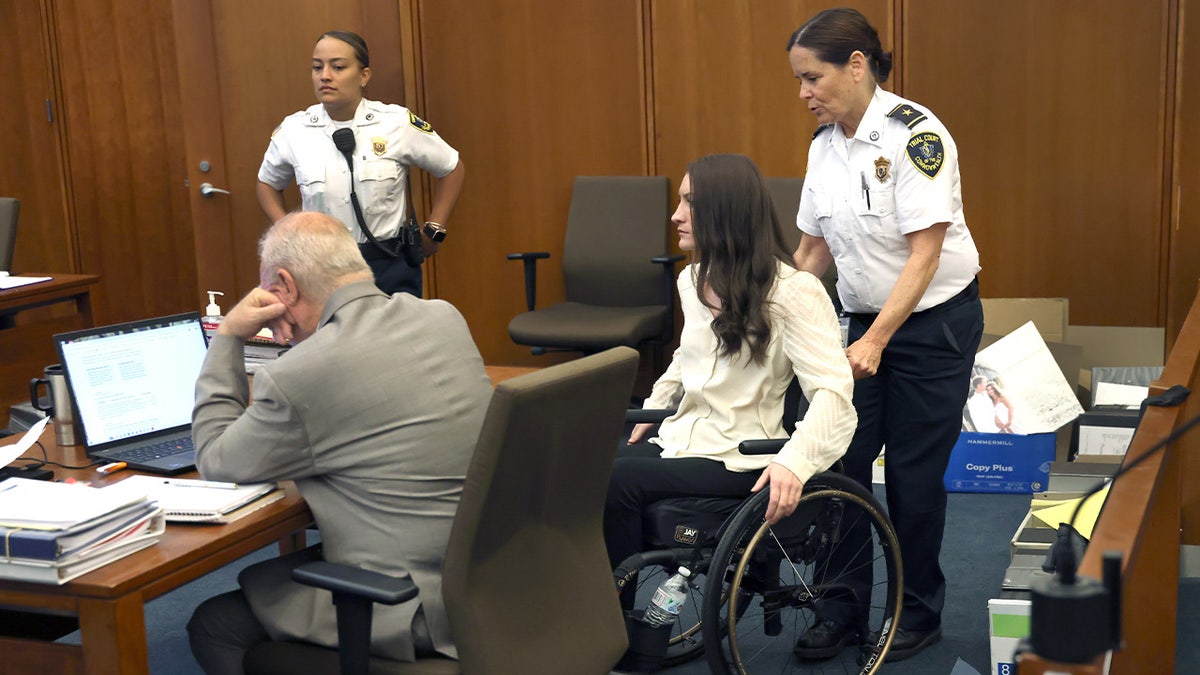
Lindsay Clancy sits at the defense table during her murder trial at Plymouth Superior Court in Plymouth, Mass., August 5, 2026. (David L. Ryan/Pool)
The Tuey-Rodriguez charge takes its name from two Massachusetts Supreme Judicial Court rulings. It is designed to prompt jurors to reexamine the case through the lens of their fellow panelists’ perspectives while maintaining their own honest convictions. In practice, it is often viewed as the last major step before a judge may declare a mistrial if a jury remains deadlocked.
“The reasoning is that it often works,” retired Massachusetts Superior Court Judge Thomas Drechsler previously told News Outlet. “It encourages the jurors to rethink their own feelings in light of what other jurors feel, reminds them that no one’s ever going to be in a better position to decide this than them.”
But if jurors again report they are deadlocked after receiving the instruction, Drechsler said, “I think there’s a high likelihood that it will end up in a mistrial.”
The jury must determine whether Clancy was criminally responsible when she killed her three children — Cora, 5, Dawson, 3, and 8-month-old Callan — inside the family’s Duxbury, Massachusetts, home Jan. 24, 2023.
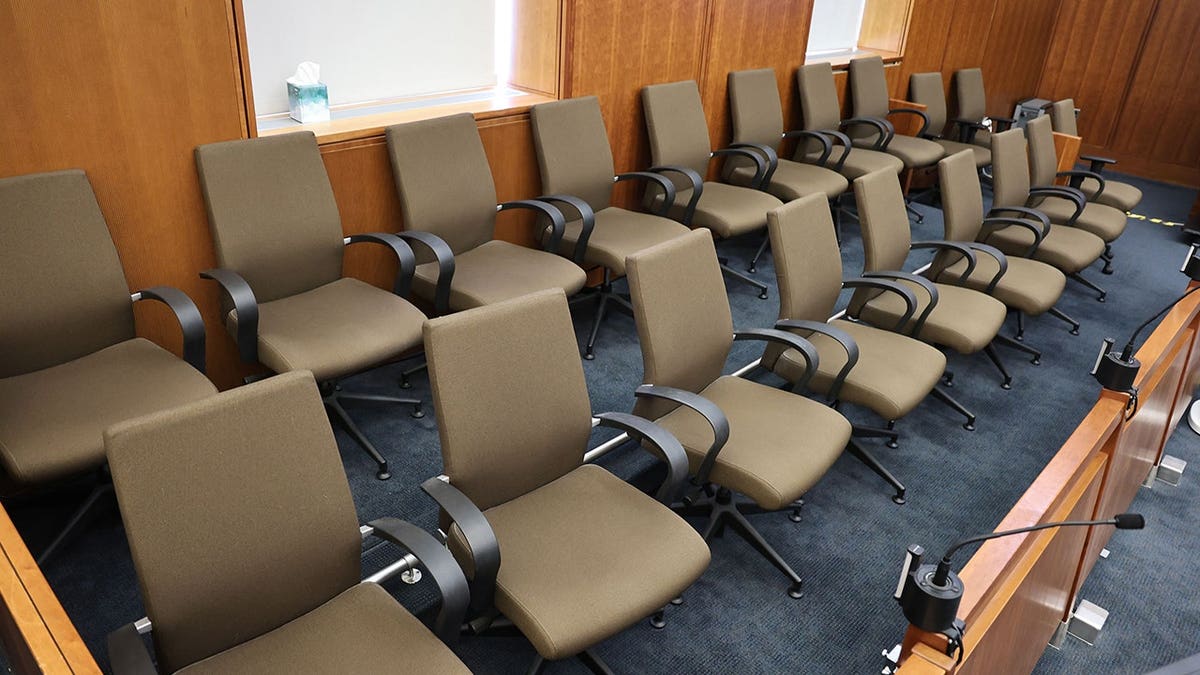
The empty Plymouth Superior Court jury box during the Lindsay Clancy murder trial in Plymouth Superior Court, Plymouth, Mass., Aug. 25, 2026. (Greg Derr/Pool The Patriot Ledger via AP)
Clancy, 36, a former labor and delivery nurse, does not dispute killing the children. Her defense argues she was suffering from postpartum psychosis and should be found not criminally responsible. Prosecutors contend she carefully planned the killings, knew right from wrong and concealed disturbing thoughts from medical providers because she understood they were wrong.
Wednesday also brought developments outside the courtroom after Dawn Light, the woman accused of filming jurors as they left the courthouse Tuesday, was arraigned on a witness intimidation-related charge. She pleaded not guilty. Prosecutors said a video recovered from her cellphone showed Clancy jurors leaving the courthouse, while Light maintained she was trying to catch a glimpse of Clancy and did not realize she had recorded jurors.
A judge released Light on personal recognizance and ordered her to stay away from the courthouse, have no contact with jurors or witnesses and refrain from sharing any images.
Before jurors resumed deliberations Wednesday morning, Sullivan also reminded those in the courtroom that orders protecting jurors and other participants are “being enforced and will be enforced,” though he did not specifically reference Light’s arrest.
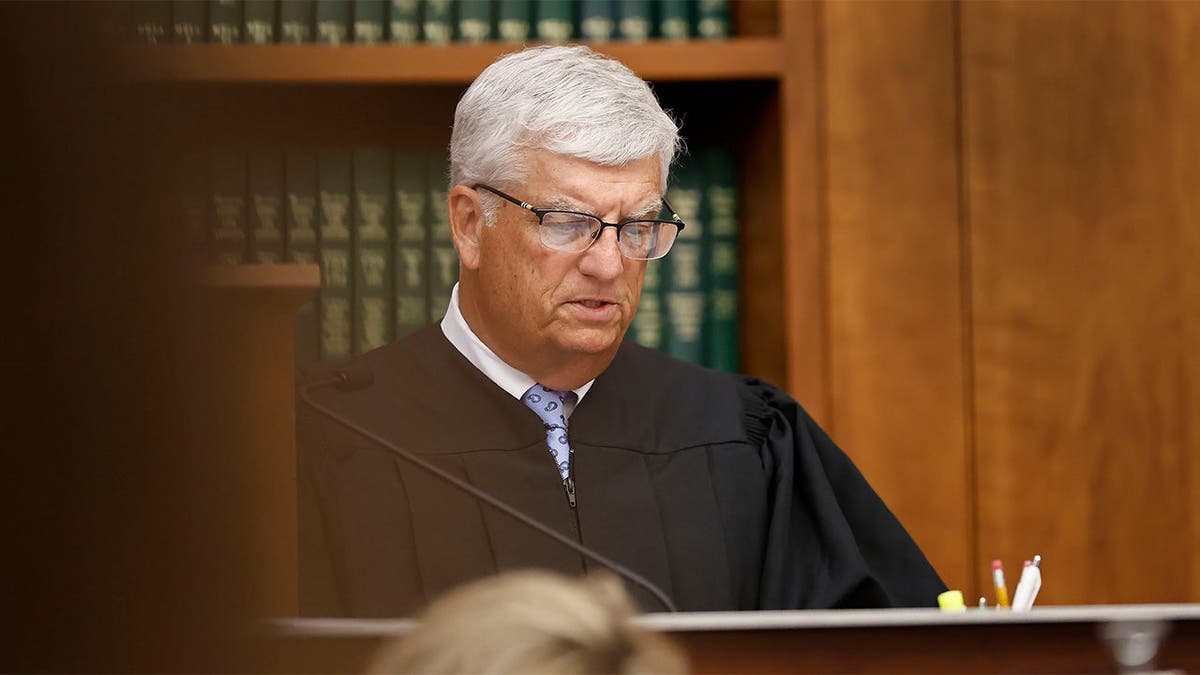
Superior Court Judge William Sullivan presides over day three of jury selection July 22, 2026, in the triple murder trial of Lindsay Clancy, who is accused of murdering her three young children in 2023 in their Duxbury, Mass. home. (Greg Derr/The Patriot Ledger via Pool)
Jurors will return Thursday to resume deliberations, with the possibility of a mistrial looming if they again report they cannot reach a unanimous verdict.