
Kombucha, lemon water, prebiotic soda, flavored seltzer and apple cider vinegar tonics may seem like savvy wellness choices. But if you sip these trendy drinks throughout the day, your teeth could be the ones paying the price.
Sugar can be part of the concern, but it is not the only issue. Many of these popular beverages are also highly acidic.
Over time, frequent acid exposure can soften and erode tooth enamel, the hard outer coating that helps protect teeth. Once enamel is weakened, the risk of cavities, tooth decay, staining and even harmful infections can rise.
To find out how to enjoy these fashionable drinks without damaging your smile, we spoke with a leading dental expert.
Don’t Let the ‘Healthy’ Label Fool You
A drink marketed as a wellness pick can be easy to trust, but dental risks may be hiding in plain sight. Labels that promise “gut-friendly” benefits or “sugar-free” formulas often lead people to believe the drink is gentler on the body — and on their teeth.
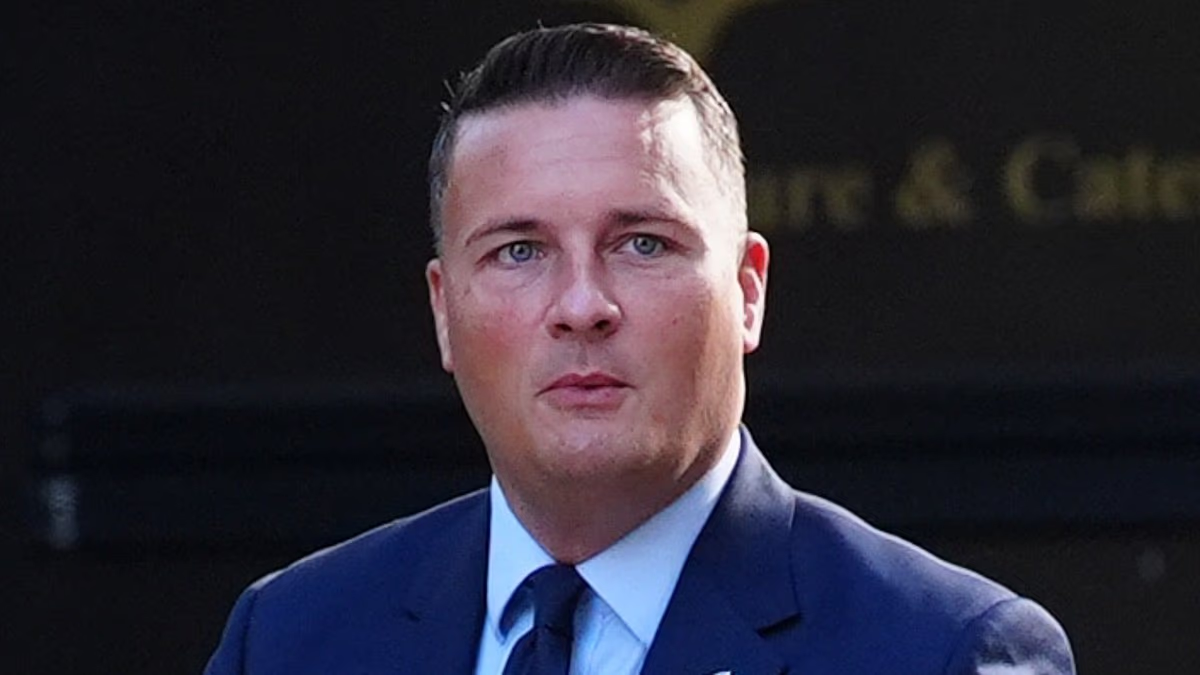
That assumption can be misleading, according to Dr Edmond Hewlett, consumer advisor spokesperson for the American Dental Association and professor emeritus at the UCLA School of Dentistry in Los Angeles.
‘One of the biggest misconceptions patients have about “healthy” drinks is that these beverages are automatically better for your teeth because they are “healthy” or “sugar-free,”‘ Hewlett told Daily Mail.
‘Some of them, however, are also acidic, and tooth erosion happens when foods and beverages that are high in acid dissolve away at the enamel that protects our teeth.’
Translation: a drink does not need to be sugary to be hard on your teeth.

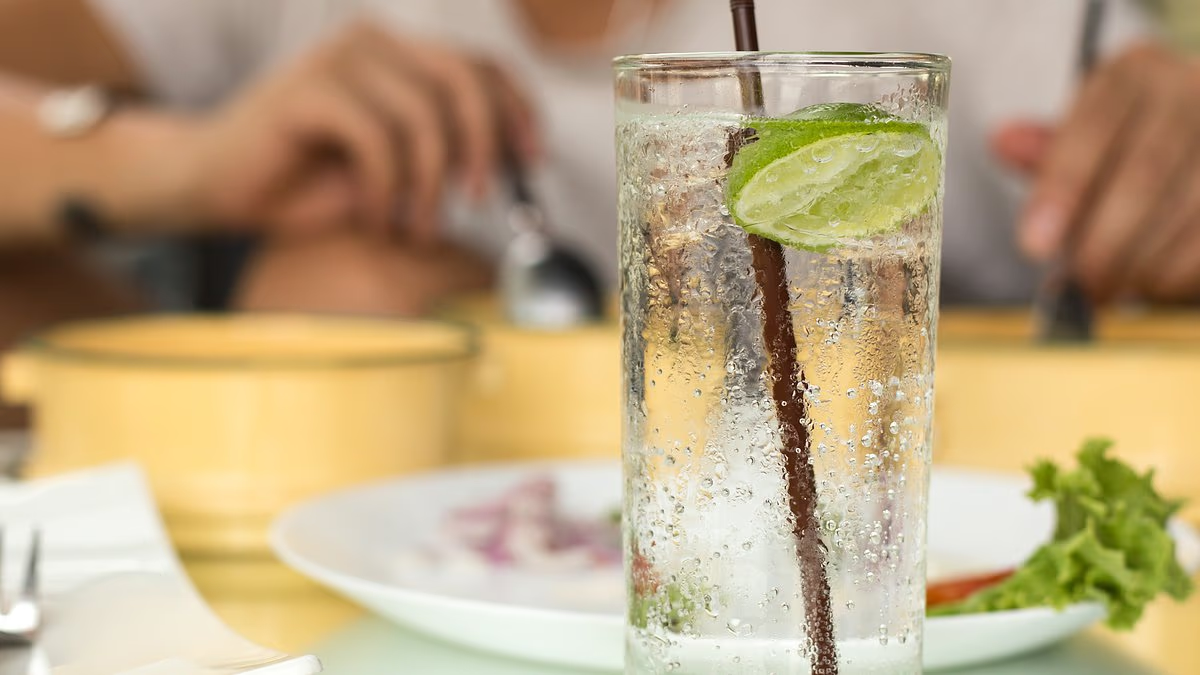
Seltzer or water with lemon or lime can be acidic, which could have an impact on your teeth
Why Acid Is Rough on Teeth
Acidic drinks can push your mouth into the danger zone.
According to a study, the critical pH for enamel is 5.5. These levels represent the pH at which saliva is no longer saturated with calcium and phosphate, meaning the tooth’s surface can begin to dissolve away, the dentist said.
One drink will not destroy your smile, but the habit can add up.
‘A temporary dip in pH does not necessarily translate immediately to permanent enamel loss since pH is just one of several factors involved in enamel erosion,’ explained Hewlett.
‘The amount of time in which the beverage is in your mouth and total acidity of what you’re consuming are also key factors.’
The catch: once enamel is gone, it does not grow back, and that can make teeth more vulnerable to decay.
The Sneaky Problem: Sipping All Day
How you drink matters almost as much as what you drink.
Nurse a bottle of flavored sparkling water for hours and your teeth keep getting hit with acid.
‘Habits such as sipping these high-acidity beverages throughout the day continuously expose teeth to acid and overwhelm the saliva’s buffering capacity.
‘Salivary pH does not return to its safe resting level until the sipping stops,’ Hewlett continued.
Put simply: constant sipping does not give saliva enough of a break to neutralize acids and help teeth recover.
So how do you know if your ‘healthy’ drink habit is secretly wearing down your teeth?
You may not notice until the damage is further along.
Hewlett says dentists can spot early signs that patients might miss.
‘A dentist can detect the subtle early-stage clinical signs of erosion, however, a patient may not notice the damage until it becomes moderate to severe,’ he said.
Sensitivity to hot, cold, or sweet drinks can be a warning sign.
Other signs include a yellowish tint from thinning enamel, tiny dents or ‘cupping’ on back teeth – fillings that start to stand out as the surrounding tooth wears away.

Kourtney Kardashian posted the above photo in 2021 with a kombucha cocktail. While kombucha is touted as a healthy drink, its high acidity could harm your teeth

‘Wellness’ beverages such as kombucha, apple cider vinegar, certain fruit waters, prebiotic soda and flavored seltzer can all have high acidity
How to Sip Smarter
You do not have to break up with kombucha or sparkling water – just change the way you drink it.
Hewlett offers several ADA-backed ways to lower the risk: use a straw, finish the drink in one sitting instead of nursing it, and rinse with water afterward.
‘Rinsing with or drinking water after consuming beverages to help dilute and wash away the acidic beverage residue in your mouth,’ said Hewlett.
Pairing acidic drinks with calcium-rich foods like milk, plain yogurt, or cheese may also help.
And do not brush right away.
‘Waiting an hour before brushing your teeth after consuming acidic foods or beverages to give your saliva time to naturally wash away acids and re-harden your enamel,’ he advised.
Acid vs. Sugar: Both Can Be Trouble
And what about sweeteners?
Hewlett says acids and sugars do different kinds of damage: ‘Acids in acidic beverages cause erosion of the enamel on the outer surfaces of teeth,’ he said.
‘Cavity-causing bacteria in the plaque film on our teeth thrive on sugar for energy and produce acids that create cavities in the enamel.’
There’s data behind this to know – a 2022 JADA study, The Erosive Potential of Sugar-Free Waters on Cervical Dentin, found that even ‘healthy’ waters can be an issue when they’re acidic.
Flavored and carbonated drinks caused more erosion than non-carbonated or unflavored options, the data showed.
The Takeaway
Wellness drinks may look harmless, but teeth do not care whether the acid comes from soda, kombucha, lemon water, or a ‘better-for-you’ seltzer.
Acid is acid.
If you love these drinks, enjoy them with a little strategy: sip less often, finish them faster, rinse with water, and give your teeth time before brushing.
And if sensitivity is creeping in, ask your dentist whether enamel erosion could be part of the problem.