
After spending months, and often years, observing people care for loved ones with dementia, I have noticed a familiar pattern.
The physical and emotional exhaustion can be immense. Sleepless nights and unrelenting days gradually take their toll, and some carers become unwell under the strain.
As a nurse and professor of dementia studies, I have witnessed this countless times. I know how easily caring can become one of the most difficult and painful experiences a person will ever face.
Dementia is progressive, and its decline cannot be stopped. But caring for someone should not mean sacrificing your own health and wellbeing. An estimated 2.5 million people in the UK provide some form of care for people with dementia. Each one faces the deep grief of gradually losing someone they love to a degenerative brain disease that slowly erodes their skills, memories and, sometimes, their personality.
The effects can reach every area of a carer’s life, affecting their mental and physical health, relationships, family life and career. Loneliness, exhaustion and a constant stream of responsibilities can become overwhelming.
But The Mail on Sunday shares my belief that this must change. This weekend sees the launch of Dementia Carers Together, a major new Mail initiative designed to provide tens of thousands of unpaid dementia carers with essential emotional and practical support.
Alzheimer’s Society and Alzheimer Scotland, with support from the Mail and the Mail Force charity, hope to raise at least £1million. The money will fund courses across the UK, helping carers understand the financial and medical support available to them, meet their loved ones’ changing needs and navigate the health and social care system.
Just as importantly, the courses will strengthen emotional resilience. They will give carers practical tools to protect their mental health and help them recognise when to seek support and how to ask for it.

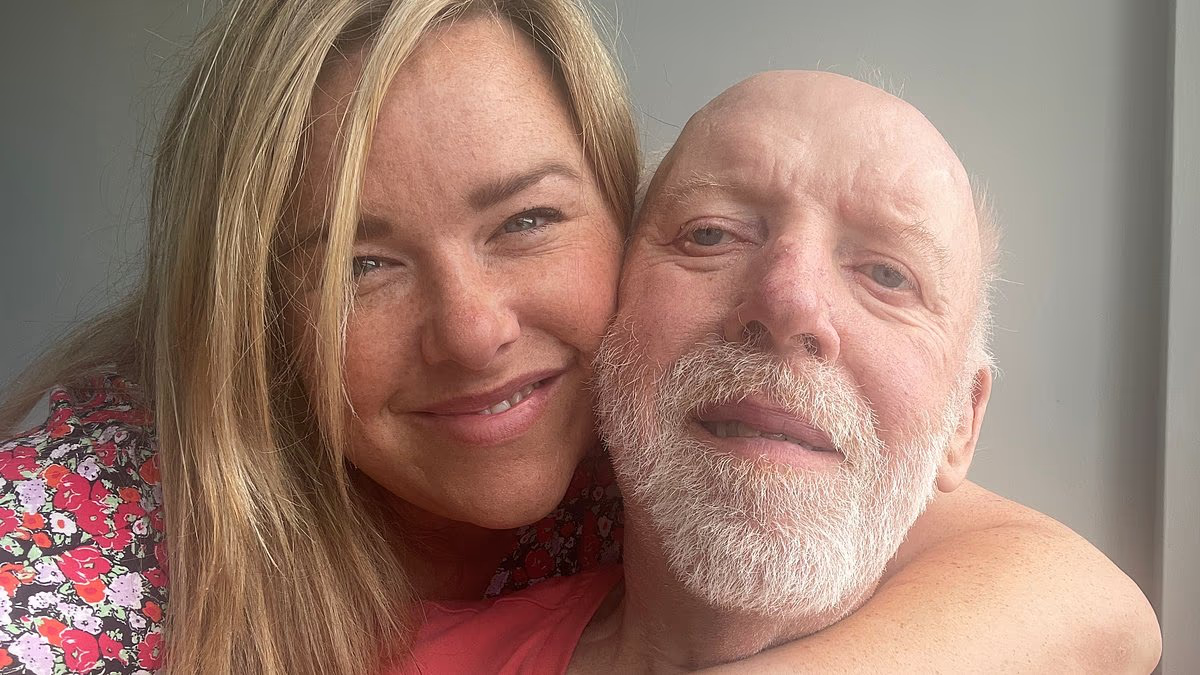
Mother-of-two Gail Hobson has spent the past four years caring for her father, often sitting at his bedside for hours each day
This campaign is particularly close to my heart. I have devoted my career to supporting and advocating for dementia carers, and my own father had dementia. I know personally how challenging it can be for an entire family.
As Dementia Carers Together rightly recognises, caring must not require you to abandon your own needs.
It is vital that carers and the people they support are able to live as normal a life as possible alongside dementia.
That may sometimes seem impossible, but moments of genuine happiness can still be found. As dementia progresses, those moments become even more precious.
Through many years of working with patients and families, I have learned that certain practical steps can ease the pressure. They can also help both you and your loved one feel happier and better prepared for the challenges ahead.
Put your own health first
The aviation industry has a useful rule: put on your own oxygen mask before helping anyone else. The same principle applies to dementia carers.
I have seen carers become seriously ill, and even die, after neglecting their own health while prioritising the person they support. They miss GP appointments, decline recommended vaccinations, forget prescribed medication or dismiss worrying symptoms until they become more serious. When you are exhausted and distracted, this is understandable. But if you become unwell, the entire care arrangement may break down. Your loved one would want you to look after yourself, even if they are no longer able to say so.
A balanced diet and good hydration are sensible starting points. Try to include fruit, vegetables and protein. If there is no time to prepare and sit down to eat a full meal, healthy snacks can still help; keeping a bowl of fruit nearby may make this easier. Keep a bottle of water within reach so you remember to drink.
Keep your GP appointments, seek advice about new symptoms and take medicines as prescribed.
Acknowledge that you are a carer

Gail was seven in this photograph with her father John, now 73, who has dementia with Lewy bodies, a condition that can cause hallucinations, confusion and mood changes

Gail with her father John and mother Shirley. The family have tried to maintain normality by arranging visits and celebrating birthdays and Christmas
It may seem obvious, but many people tell me they still see themselves primarily as a wife, husband, daughter or son rather than as a carer.
That can mean they do not look for support or discover what help is available until they are already in crisis. Recognising your role early and contacting a local carers’ organisation can make a considerable difference.
Health and social care professionals can provide valuable information, although they may not fully understand what you are experiencing day to day. Local carers’ organisations, many of which are run by charities, can offer a useful one-stop source of advice.
The support available will depend on where you live. Organisations can help you identify what you may be entitled to, from respite care and financial benefits to disabled parking permits, and explain how to complete the necessary forms.
They can also advise on managing dementia-related behaviour. That may involve learning when not to argue or correct someone, or understanding how to respond to agitation and confusion. The right approach can prevent distressing situations from escalating.
Dementia Carers Together will expand this support through new courses, allowing more carers to benefit from practical knowledge and guidance.
Contact Alzheimer’s Society on 0333 150 3456 or visit alzheimers.org.uk. In Scotland, contact Alzheimer Scotland on 0808 808 3000 or visit alzscot.org.
You can also search for local carers’ organisations through Carers UK at carersuk.org/help-and-advice/get-support/local-support.
Create a local support network
Caring can be profoundly lonely. Even close friends and relatives may not understand the daily uncertainty, difficult behaviour, relentless demands or sadness involved.
Isolation can seriously damage your wellbeing. Other dementia carers often understand better than anyone else because they are facing similar challenges and can offer both companionship and reassurance.
They may explain how they found the right help and managed not just to cope but to continue living well. They may also have faced problems you will encounter later and can warn you about potential pitfalls.
That shared experience can be invaluable when deciding which local services to approach.
Dementia cafes, sometimes called memory cafes, offer an informal way to meet other carers, often while accompanied by the person you support. Dedicated carers’ groups can provide a more private setting for open conversations. Ask your GP surgery, local council adult social services department or the memory clinic where your loved one received their diagnosis about groups in your area. Your GP may also refer you to a social prescribing link worker, who can help identify nearby activities and community support.
Alzheimer’s Society has an online directory where you can search by postcode for dementia cafes, support groups and other services. Visit alzheimers.org.uk/dementiadirectory or call its Dementia Support Line on 0333 150 3456.
If leaving home is difficult, the charity also offers a free online Dementia Support Forum. Carers can ask questions, exchange experiences and seek advice. Your local council should not be overlooked either: you have the right to request a free carer’s assessment, which can identify the support you need, including opportunities to meet other carers and arrangements that allow you to take a break.
Seek legal advice as early as possible

Many people continue to think of themselves as a husband or wife rather than a carer, meaning they may delay seeking support or finding out what help is available
Taking legal advice early can prevent considerable stress, paperwork and expense later. Everyone should consider arranging a Lasting Power of Attorney, allowing a chosen representative to make financial, health or care decisions on their behalf if they lose the ability to do so.
The person with dementia must have mental capacity when the arrangement is created. A diagnosis of dementia does not automatically mean that capacity has been lost, but it is important not to delay.
If the person can no longer make the decision, an application to the Court of Protection may be needed in England to appoint a deputy. This can be a lengthy and costly process, and the arrangements differ across the UK.
Early legal advice and planning can prevent rushed decisions, delays in accessing money for care and expensive court proceedings.
In England and Wales, a Lasting Power of Attorney can be arranged through gov.uk/power-of-attorney without necessarily using a solicitor.
Registration costs £92 per document, although people on low incomes may qualify for a reduction. For advice, call the Office of the Public Guardian on 0300 456 0300. If you need a solicitor, search solicitors.lawsociety.org.uk. In Scotland, guidance is available at mygov.scot/power-of-attorney.
Registration can take a long time, so start the process as soon as possible, even if you do not expect to use the arrangement for years.
Protect your sleep
Sleep can feel like an unaffordable luxury when the person you support wakes distressed or confused during the night.
Nevertheless, try to maintain a regular sleep routine whenever possible. This benefits both you and your loved one.
Aim for consistent bedtimes, avoid caffeine during the latter half of the day and consider switching to decaffeinated tea. Bedrooms should be as dark, quiet and cool as possible.
If your thoughts race after a stressful day, writing in a journal may help you process your feelings and settle your mind.
Note down positive moments from the day, too. Doing so can remind you that your loved one is being cared for and that you are doing a valuable job, even when the work feels overwhelming.
If sleep remains difficult, speak to your GP. Counselling or medication for you or your loved one may help reduce night-time disruption. However, getting the person you care for into daylight early in the day can sometimes be nearly as effective as medication.
Keep active together

Activities such as walking can lift your mood while helping the person you care for preserve strength and mobility
Physical activity can improve your mood, ease stress and support better sleep. If a gym or exercise class is not practical, online classes and videos can be followed at home. A walk or time spent gardening can keep you moving while giving you a chance to switch off.
If your loved one can join you, even better. Activity can help them maintain strength and mobility, while also encouraging better sleep.
For exercise videos to follow at home, including gentle routines for older people and those with limited mobility, visit nhs.uk/better-health/get-active. The NHS also provides seated exercises at nhs.uk/live-well/exercise/strength-and-flexibility-exercises/sitting-exercises.
If exercise is not possible, step outside for a few minutes and take some deep breaths. Daylight, particularly early in the morning, helps reset your body clock, which can be useful after a broken night, and may improve sleep later.
Recognise when you are nearing your limit
Having difficult thoughts or negative feelings about the person you care for does not make you a bad person. Pay attention to how you feel and try to understand what may be driving it. Are you sleep-deprived? Are you resentful because you are carrying too much responsibility?
Spotting the signs of struggle before reaching crisis point is essential in preventing burnout.
Warning signs can include feeling constantly panicked or on edge, depressed or hopeless, being unable to sleep, or experiencing intense negative feelings towards the person you support. Speak to your GP, social services or trusted friends.
Ask for help without guilt

Professor June Andrews is one of Britain’s leading experts in dementia care
Accepting help does not mean you have failed in your caring responsibilities. It is one of the best ways to make those responsibilities manageable over the long term.
No one can do everything alone. I have seen many carers feel guilty about accepting support, but that guilt needs to be set aside.
When you feel overwhelmed, write down everything that needs doing. Separate urgent tasks from those that can wait, and identify jobs someone else could take on.
When friends ask whether there is anything they can do, be prepared with specific requests. They might collect medication, do the shopping or sit with your relative for a few hours so you can rest.
One friend arranges for someone to stay overnight at her house once a week while she spends the night in a budget hotel, giving her the chance to sleep without interruption. You cannot do everything, and you should not try.
Use music to lift your mood
Living with dementia can be painful and frustrating, but happiness can still be found in ordinary moments. Looking after yourself is not selfish, so make space for your own interests and hobbies.
Try to continue activities that you and your loved one once enjoyed together. Music can be especially meaningful. Research suggests that songs people loved between the ages of 16 and 20 can trigger a “reminiscence bump”, bringing back memories from formative years. Listening together may lift their mood, start a conversation or lead to a shared singalong.
Alzheimer’s Society runs Singing For The Brain groups for people with dementia and their carers. Find a local group at alzheimers.org.uk/singingforthebrain.
The BBC also provides a free Music Memories website at musicmemories.bbcrewind.co.uk, where you can explore familiar songs and sounds from different decades to encourage memories.
Board games, puzzles, old photographs and shared jokes can also bring welcome enjoyment. Look for dementia-friendly activities in your area, including walking, swimming, art, dance and yoga.
Prepare an emergency plan
An emergency plan is essential, not optional. It should explain what needs to happen if you are suddenly unavailable, list the family members, friends and neighbours who should be contacted, and identify backup carers. Discuss the arrangements with everyone involved in advance.
Include your loved one’s diagnosis, medication and treatment plan, along with contact details for the health and social care professionals who visit regularly. Keep a paper copy and share it with family members and relevant healthcare workers.
Many councils provide free carers’ emergency cards to carry in your wallet. The card alerts emergency services that someone depends on you and explains how to activate your emergency care plan.
Keep communicating with family members and agree how your relative’s care should develop as the dementia progresses. Making sure everyone understands the plan can prevent confusion later.
Dementia Carers Together


