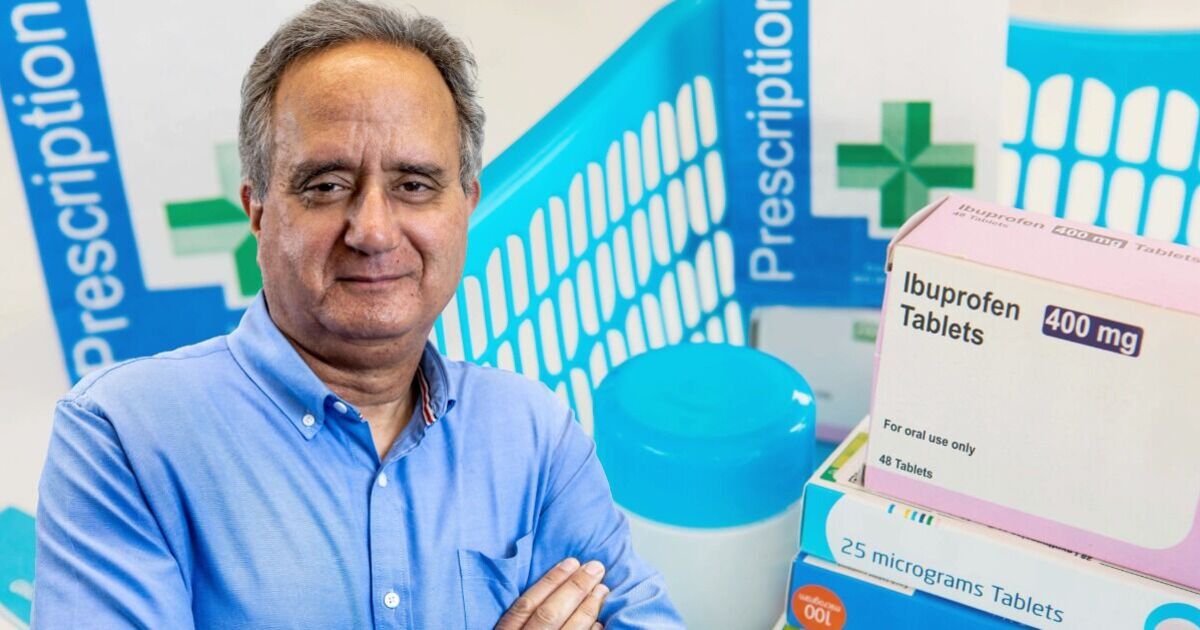

Huge amounts of prescription medicine are left unused each year. As an NHS GP, I have often seen cupboards and drawers filled with surplus tablets during home visits. According to the National Pharmacy Association, England wastes an estimated 3,400 tonnes of medicines annually — roughly enough to fill 75 swimming pools. The financial hit to the NHS is put at about £480 million, but the true cost goes well beyond the budget.
Every medicine has an environmental footprint. It must be produced, packaged, shipped, stored and, when no longer needed, safely destroyed. If those medicines are never taken, all of those resources are wasted too. Poor disposal can add another problem, with drugs potentially finding their way into the environment. And the real scale of medicine waste may be higher than official figures indicate, because many unused prescriptions sit in homes or are thrown into household bins instead of being returned to pharmacies.
Why do medicines go unused?
This is not simply a story about patients being forgetful or irresponsible. Britain’s population is getting older, and more people are living with long-term conditions that require regular treatment. At the same time, the NHS is managing illnesses such as high blood pressure, heart disease and diabetes more proactively, meaning more medicines are being prescribed to protect people’s health.
Health needs can change, however. A drug that made sense at the time it was prescribed may later be stopped, adjusted or swapped for something else. Some patients also choose to stop taking medication because of side effects, worries about the treatment, or uncertainty about whether they still need it.
The problem can grow when repeat prescriptions keep being requested automatically, causing supplies to build up at home. Good prescribing should be based on what a person genuinely needs and is actually taking. The goal is simple: the right medication, in the right amount, for the right length of time.
What can patients do?
A practical way to reduce prescription medicine waste is to request only what you need. If you already have enough of a regular medication at home, you usually do not need to order more just because it is listed on your repeat prescription.
Stocking up on medicines “just in case” may feel reassuring, but it often increases the chances that those prescriptions will eventually go unused.
If you are not taking a medicine you have been prescribed, it is important to let a healthcare professional know. People stop medication for many valid reasons: side effects, confusion about its purpose, doubts about the benefits, or simply not wanting to continue. Having that conversation can help ensure your treatment remains safe, appropriate and waste-free.
Your doctor or pharmacist needs to know this. If a medicine is causing side effects, for example, there may be an alternative. Continuing to issue prescriptions for a medicine that someone is not actually taking benefits nobody.
The NHS has responsibilities too
Reducing waste cannot be left to patients alone. The NHS needs to make it straightforward for people to have their medicines reviewed and to ask questions about them.
People with long-term medical conditions are offered health reviews, which provide an opportunity to discuss their medication and whether treatments are still required. People taking many medicines may also be offered a more detailed, structured medication review.
Doctors and other prescribers can help by explaining why a medicine is being started, what benefit it is expected to provide and what problems to look out for. If patients understand why they are taking a medication and have the opportunity to discuss their concerns, problems can be identified before unused supplies begin to accumulate.
Ask your pharmacist
Community pharmacists are an important source of advice. They can explain why medicines are needed, how best to take them and how much to order. They can also communicate with the patient’s general practice.
So if you find yourself with several unopened boxes at home or are unsure which medicines you should be taking, ask your pharmacist rather than simply ordering the same quantities.
What should you do with medicines you don’t need?
Medicines returned by patients cannot simply be handed out to someone else, even when a packet is unopened, and its seal is intact. They have to be disposed of appropriately.
Nor should unwanted medicines be put into ordinary household waste. They should be returned to a pharmacy for safe disposal. Incorrect disposal can create environmental hazards, including the risk of medicines entering water supplies.
Returning medicines also provides useful information. If you regularly have medicines left over, discussing this with your pharmacist can help identify whether your prescriptions need reviewing.
Safe disposal, however, addresses medicines only after they have been discarded. It is better to prevent unnecessary supplies from accumulating in the first place. That requires action from both patients and the NHS: prescribing carefully, reviewing medicines regularly, making it easy for people to raise concerns, and ordering only what is actually needed.
With hundreds of millions of pounds being spent each year on medicines that are never used, even modest reductions in waste could make a difference to the NHS. The goal is not simply fewer medicines. It is the right medicines, in the right quantities, for as long as they are needed.
- Dr Azeem has been a GP for over 30 years and is also a professor of primary care and public health at Imperial College London’s School of Public Health.