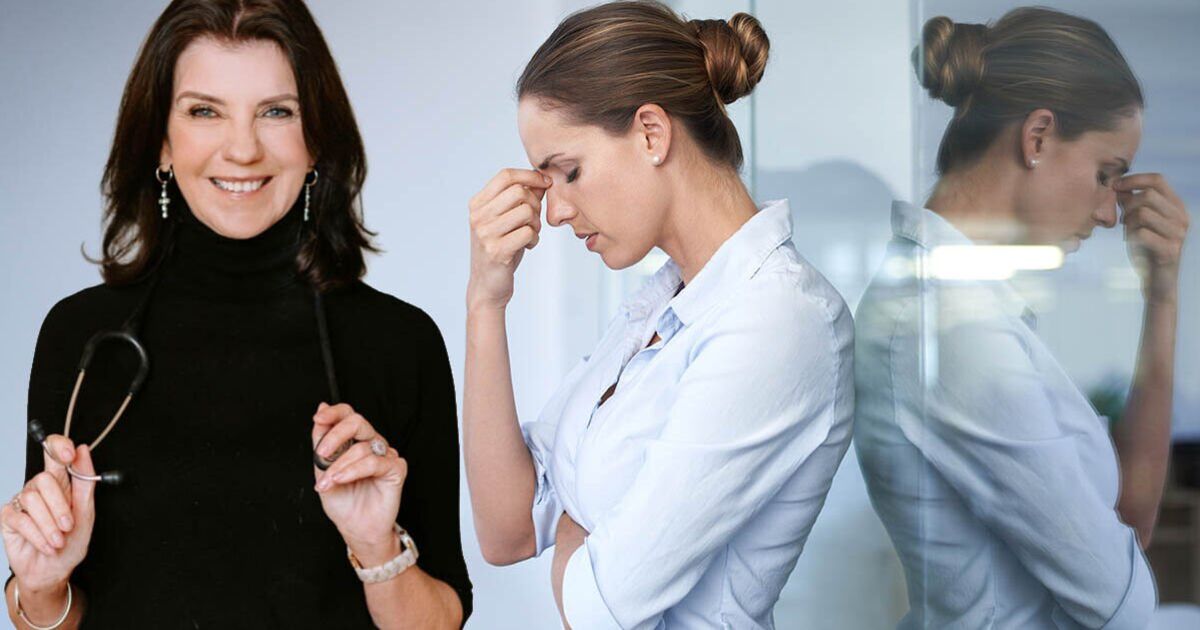


Embarrassing Bodies GP Dr Dawn Harper says prolonged stress can become debilitating (Image: Courtesy Dr Dawn Harper / Getty)
Stress is an increasingly common feature of modern life, with research indicating that levels have doubled since the mid-2000s. Work, parenting, global uncertainty and the rising cost of living can all add to the pressure. Ahead of National Stress Awareness Day on Wednesday, healthcare experts have shared practical advice to help protect both physical and emotional health. “Stress is something we encounter regularly in general practice, although patients don’t always recognise it as the underlying issue,” says Embarrassing Bodies GP Dr Dawn Harper.
“In moderation, stress can be useful, helping us concentrate and deal with challenges. But when it becomes persistent, it can contribute to headaches, digestive problems, poor sleep, palpitations and ongoing tiredness. It may also affect blood pressure, mood and relationships, even when people do not realise stress is behind their symptoms. It is worrying how many simply regard constant stress as a normal part of life. The first step is to recognise the warning signs. We should not wait until we feel completely overwhelmed before doing something about it.
Here are eight expert-backed ways to manage stress:
Acknowledge stress

Dr Harper says recognising stress is the first step towards managing it (Image: Getty)
“Begin with the basics,” Dr Harper advises. “Are you sleeping enough? Are you moving regularly? Are you taking meaningful breaks during the day? Even a brisk 20-minute walk can clear your mind and lift your mood. It is also important to talk. Sharing concerns with a friend, partner or colleague can help put them into perspective, yet we often underestimate the impact of keeping everything bottled up. Finally, learn to identify when stress is becoming a health problem. If you frequently cannot sleep, develop physical symptoms or find everyday situations hard to cope with, speak to your GP.”
Keep mealtimes consistent
Stress can affect eating habits in different ways: some people lose their appetite or miss meals, while others snack more often. “Keeping some structure around meals is one of the simplest steps you can take,” Dr Harper explains. “Going for long periods without eating can leave you tired, irritable and unable to concentrate, which is unhelpful when you are already under pressure.”
“Aim to include protein, fibre-rich carbohydrates and fruit or vegetables in your meals. This provides important nutrients and can help maintain steadier energy levels throughout the day.”
Consider herbal support
Some people may find a herbal supplement useful during stressful periods. “A review of nine clinical trials found that ashwagandha supplements reduced production of cortisol, a hormone involved in the stress response, and eased reported feelings of stress and anxiety compared with a placebo,” says Dr Harper. “More research is needed, particularly on the long-term benefits, but it is an interesting option for those seeking additional support.” (Try Healthspan Ashwagandha Relaxation Support – £12.99 for 60 capsules)
Use breathing to relax

TV presenter Cat Deeley is a fan of yoga (Image: Cat Deeley / Instagram)
Research published in February 2026 reviewed 30 studies involving more than 2,200 people and found that yoga may help reduce stress, anxiety and symptoms of depression. Susan McEwen, founder of Yoga Quarter in Ballyhackamore, Belfast, says: “Stress often appears physically, through tense shoulders, shallow breathing and a busy mind. One simple way to calm the nervous system is to slow your breathing. Inhale gently for four counts, then exhale for six. Continue for two minutes. Extending the exhale can encourage the body’s relaxation response and create a greater sense of calm.”
Try aromatherapy
Jo Kellett, an aromatherapist and essential oil expert at Tisserand, says: “Research suggests that certain chemical components in essential oils may help calm breathing, settle digestion, reduce worry and overthinking, and support better sleep. These therapeutic effects make them useful allies when managing stress. Whether you choose a roller ball for support while out or a carefully blended diffuser oil for use at home or work, essential oils can offer a gentle way to support wellbeing and bring more balance to your day.”
She recommends lavender for sleeplessness, grounding frankincense to quiet the mind and deepen breathing, or neroli, often described as the ‘rescue remedy’ of essential oils, to help you feel calmer and less anxious.
Look after your digestion
Many people know the sensation of “butterflies” in the stomach when they are stressed. For those with a sensitive gut or Irritable Bowel Syndrome (IBS), however, stress can trigger a stronger digestive response. Pharmacist Dr Richard Middleton says: “The gut contains millions of nerve cells that communicate with the brain through the gut-brain connection. When this system is working well, digestion is supported, but stress can trigger uncomfortable and embarrassing digestive symptoms.”
“During stressful periods, silicic acid gel may help bring a range of digestive symptoms under control. These enterosorbent gels form a soothing, protective layer over the digestive tract and can relieve discomfort such as IBS-related diarrhoea, abdominal pain and flatulence.”
Dr Middleton suggests Silicolgel sachets, which can be carried in a bag or pocket and taken up to three times a day when symptoms occur (£11.75, 12 x 15ml travel-sized sachets, Boots, Amazon).
Allow yourself to do nothing

Experts say making time to do nothing can help the mind and body recover (Image: Getty/Tetra RF)
“We are so used to being busy that rest can feel unproductive. Yoga teaches us that rest is essential rather than a luxury,” Susan McEwen says. “Even five minutes spent lying comfortably, relaxing your muscles and focusing on your breathing can release tension. You do not need to spend an hour on a yoga mat; sometimes doing less is exactly what the mind and body need.”
Find a green space for ‘forest bathing’
Miriam Akhtar, a positive psychologist and author of The Little Book of Happiness (Gaia Books, £7.99), says: “Forest bathing is regarded as a healing practice in Japan, but you do not need a forest to try it. Any open green space can work. Spending time immersed in nature can be deeply restorative. Just 20 minutes outdoors may encourage calm by activating the parasympathetic nervous system, lowering stress hormones, restoring energy and building vitality.”
Stand still and experience the green space through your senses: sight, sound, touch, physical sensations and smell. Observe what you can see, from foliage and trees to the sky. Listen for birdsong, wind moving through the trees or leaves rustling. Touch twigs, leaves or stones and notice their textures. Breathe deeply, feeling the air in your lungs and against your skin, and take in the surrounding natural scents.
Use positivity to counter stress
“Positive emotions can help us recover from negativity and ‘undo’ some of stress’s effects on the body, calming the heart and reducing blood pressure,” Miriam explains. “After a stressful experience, try doing something that makes you smile and notice whether it helps you regain your composure. You could play your pet’s favourite game for five minutes and share their excitement, or create a kitchen disco by dancing to an uplifting song for a minute or two.”
These wellbeing strategies may make stressful periods easier to handle. However, if symptoms continue or stress affects daily life over an extended period, speak to your GP.