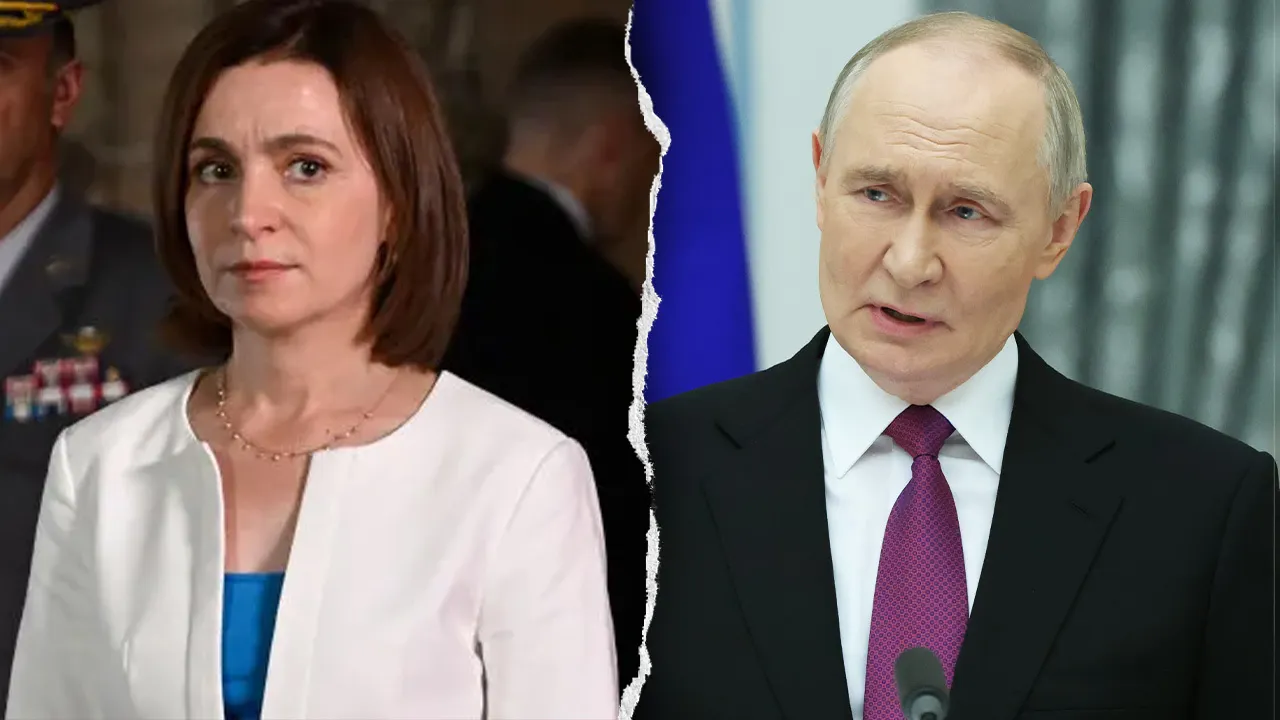

Moldova, the former Soviet republic that recently marked 35 years of independence, is facing mounting pressure from Moscow as Russia’s war in neighboring Ukraine edges closer to its frontier.
Stanislav Secrieru, national security adviser to Moldovan President Maia Sandu, told News Outlet in exclusive remarks that Russia’s latest attacks on Ukrainian infrastructure near the Moldovan border represent a serious threat to Ukraine’s economy and its access to European markets.
According to Secrieru, Russia expanded its campaign in August to include strikes on Ukraine’s border infrastructure along Moldova’s edge. He said that as Ukrainian grain shipments through Black Sea ports remain under sustained attack, Moldova has become an increasingly important transit corridor toward Romanian ports — prompting Chisinau to cut rail transit tariffs by 50% to keep exports moving.
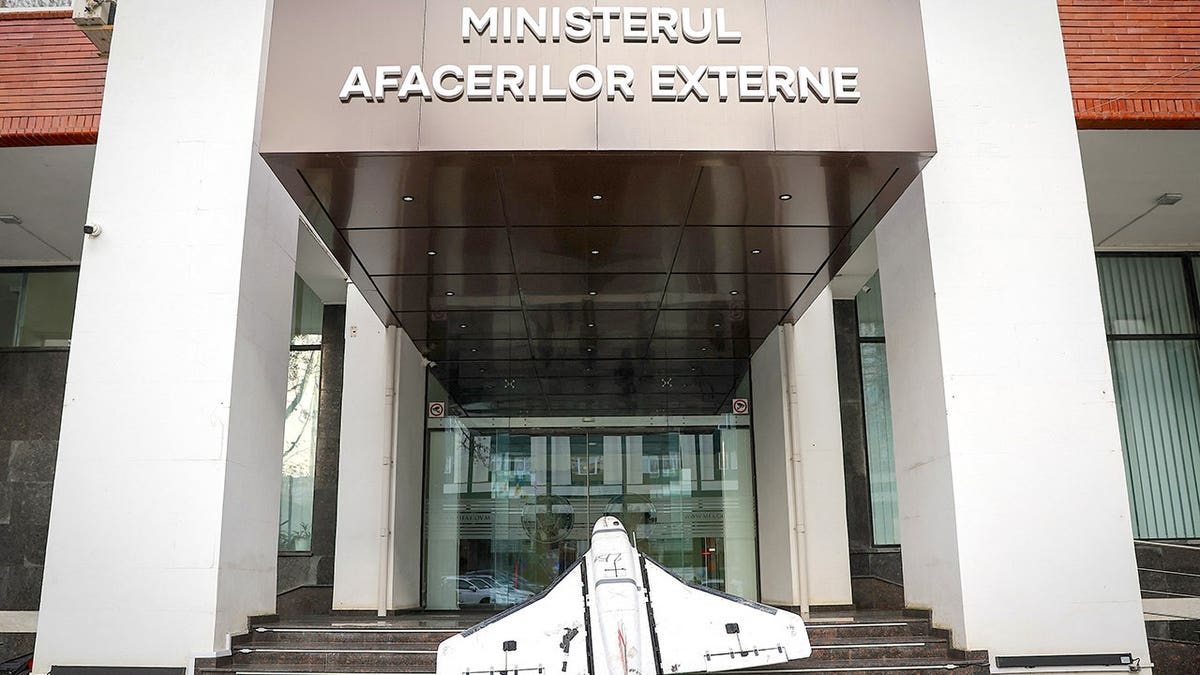
Moldovan police recovered a Russian drone on November 25, 2025, after several drones crossed into the airspace of the Republic of Moldova. One drone crashed in the Floresti district on Nov. 25, 2025. (Elena Covalenco / AFP via Getty Images)
Secrieru described those routes as essential both to Ukraine’s export system and to the broader survival of its economy. “Russia’s strikes are meant to sever them,” he told News Outlet. “Russia has also stepped-up violations of Moldova’s airspace in August, to intimidate us into withdrawing our support. Moldova stays the course. We will continue to provide civilian support to Ukraine and to keep the corridors that sustain its economy open.”
Sandu said five Russian drones entered Moldovan airspace only hours before the country’s independence celebrations, describing the incident as an act of “intimidation.”
“We have repeatedly warned about the unacceptable risks posed by Russia’s war against Ukraine. Yet another Russian attack on Ukraine has once again resulted in violations of Moldova’s airspace,” Moldova’s foreign ministry wrote in a post on X.
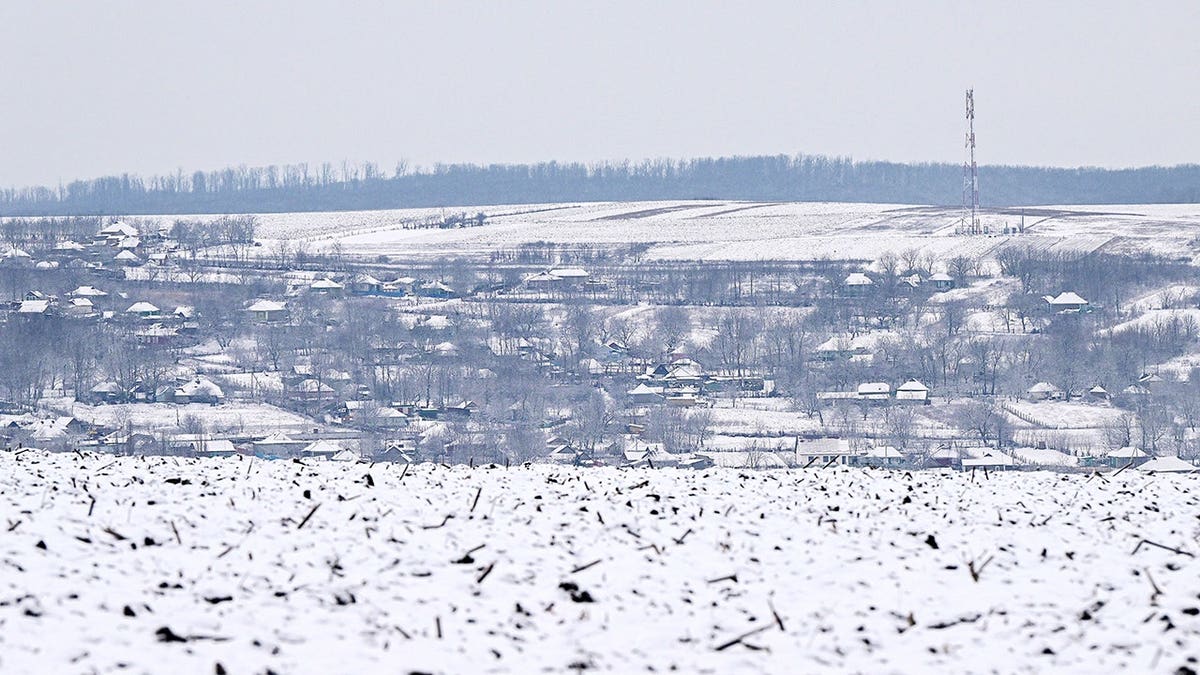
This photograph, taken on Jan. 5, 2026, shows a partial view of Cuhurestii de Jos, a village in northern Moldova near the Ukrainian border. Since Russia launched its full-scale invasion in February 2022, Moldova has reported dozens of airspace violations, with several Russian missiles and drones crashing on its territory. (Daniel Mihailescu / AFP via Getty Images)
Secrieru told News Outlet that Russia violated Moldovan airspace on 17 occasions in August, the highest number of violations in a month since Russia launched its full-scale invasion of Ukraine in February 2022.
Ukrainian President Volodymyr Zelenskyy recently visited his Moldovan counterpart in Chișinău, taking part in Independence Day celebrations and emphasizing the shared struggle of Ukrainians and Moldovans in the face of the threat posed by neighboring Russia.
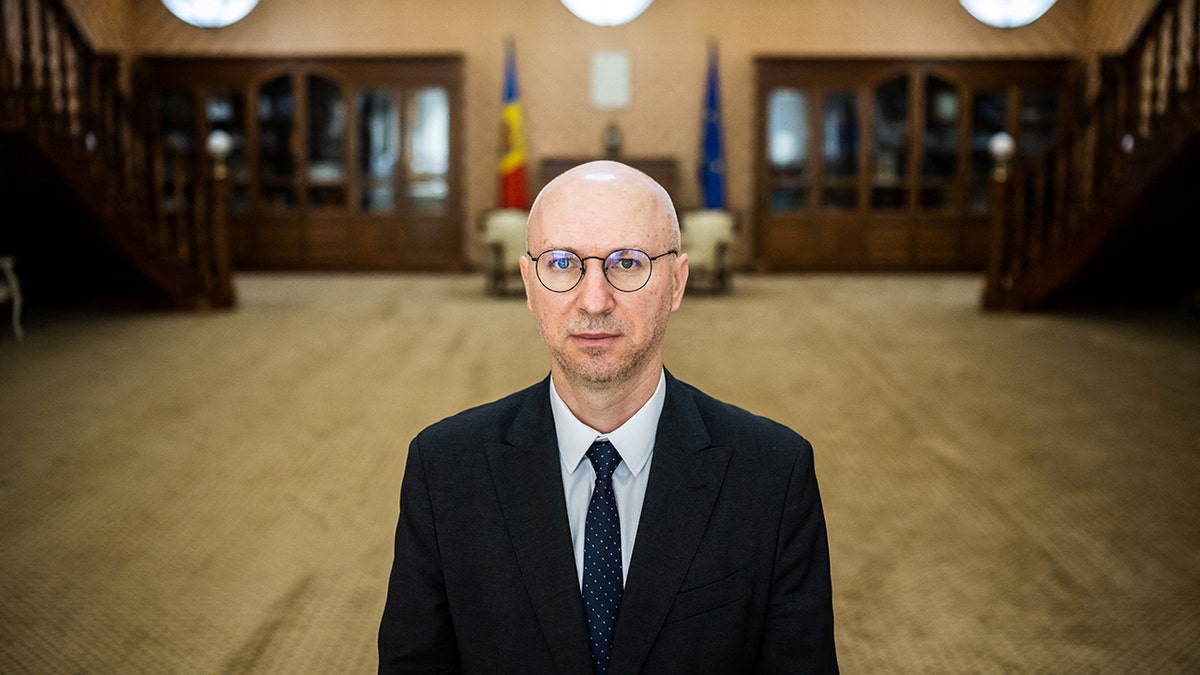
Stanislav Secrieru, national security and defense advisor to Moldovan President Maia Sandu, poses for a portrait in Chisinau, Moldova, September 3, 2025. (Reuters/Marton Monus )
“Russia is doing a lot to ruin our lives in Ukraine, to ruin your lives in Moldova, and to make it as difficult as possible for Romania. This is the ‘Russian world.’ It spoils. It destroys. But we will win. I am sure,” Zelenskyy told a large Independence Day gathering.
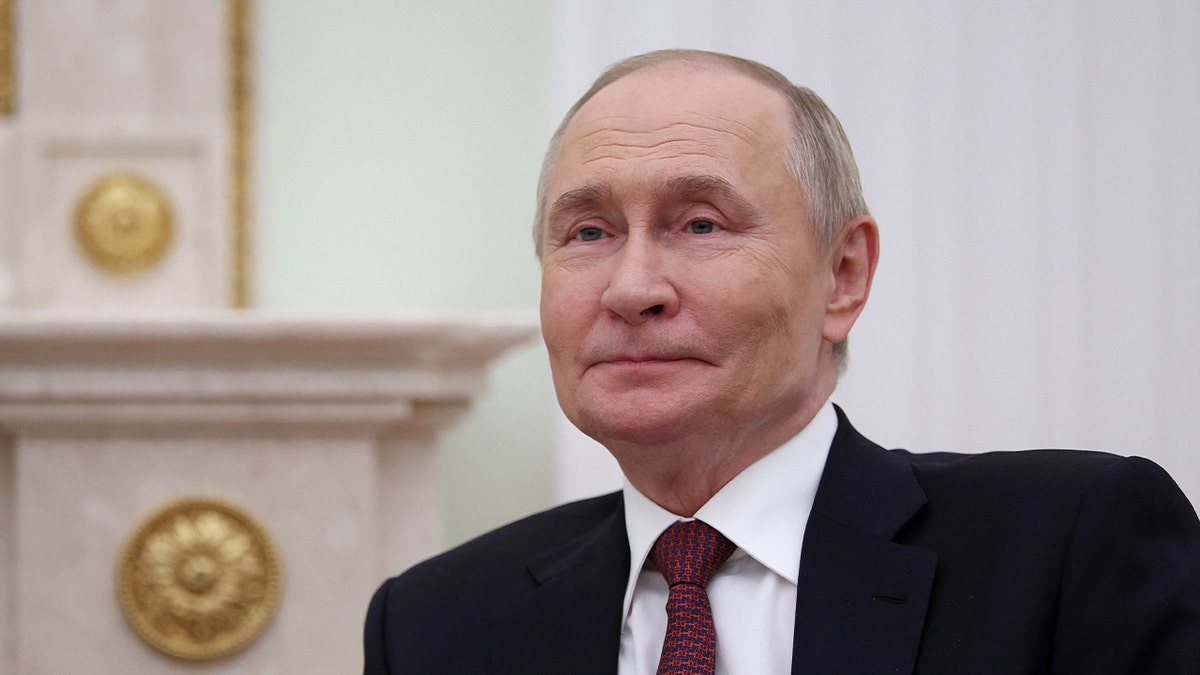
Putin is testing the boundaries of NATO with aircraft incursions, allied states say. (Ramil Sitdikov/Pool/Reuters)
Both Moldova and Ukraine applied for EU membership on the same day, shortly after Russia’s invasion in 2022. Russia’s invasion and its destabilization efforts in Moldova complicate both countries’ path forward to EU membership, a central goal of Putin’s Russia as Moscow has tried to stymie the countries of the former Soviet republic from moving closer to the West and EU institutions.
Russia’s new threats against its neighbors come on the heels of CIA Director John Ratcliffe’s surprise visit to Moscow, fueling speculation Russia intends to escalate conflict with NATO members, particularly the Baltic nations of Estonia, Latvia and Lithuania.
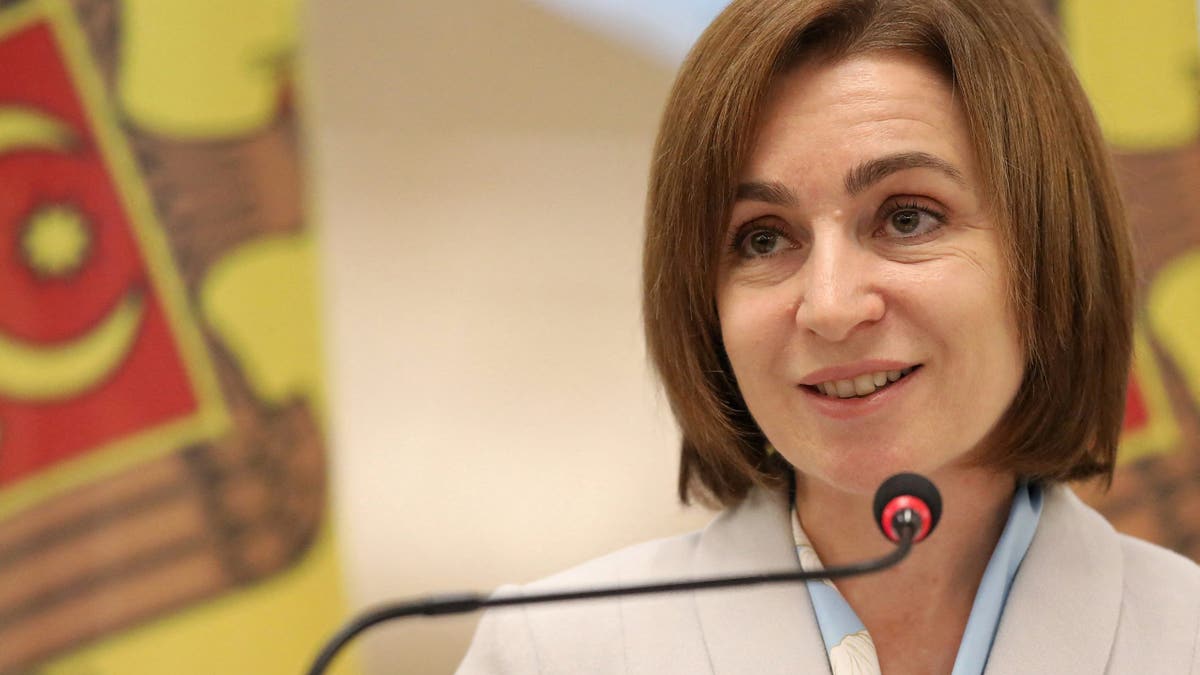
Moldovan President Maia Sandu speaks during a joint press conference with European Commission president Ursula von der Leyen in Chisinau, Moldova, on October 10, 2024. (REUTERS/Vladislav Culiomza/File Photo)
Along with its kinetic actions in Ukraine and incursions into Moldova’s airspace, Moscow uses influence operations in the former Soviet space to aid pro-Russian actors and push pro-Russian points of view.
“Russia has been interfering in Moldova for years, and these latest reports fit the broader pattern of Moscow using hybrid warfare to test how far it can push Europe without triggering a serious response,” Ivana Stradner, research fellow with the Foundation for Defense of Democracies, told News Outlet.
Moldova remains a prime target for Russian influence operations over 30 years after declaring independence from the Soviet Union. Russia maintains around 1,500 troops in the breakaway territory of Transnistria, which split away from Moldova after the declaration of independence from the Soviet Union in 1991.
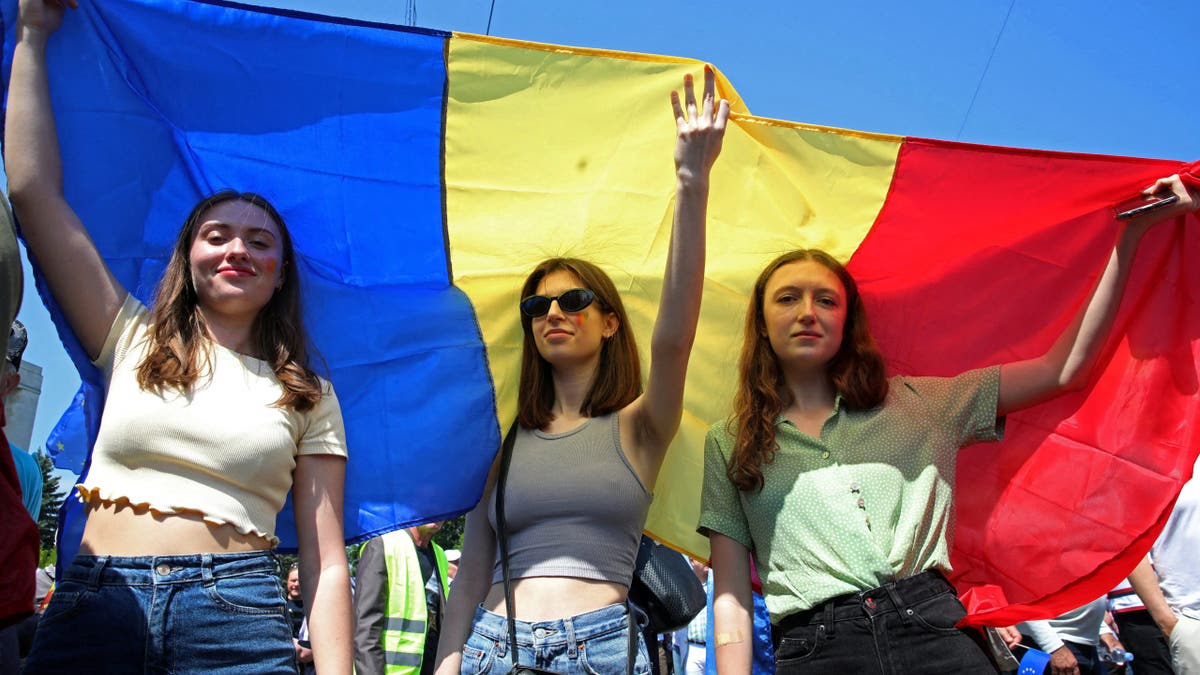
Women hold a Moldovan flag during a rally to support a European path for the country, in Chisinau, Moldova, May 21, 2023. (REUTERS/Vladislav Culiomza)
Stradner, who focuses on Russian disinformation campaigns, said Putin is counting on Western risk aversion and betting that if a country isn’t under the NATO umbrella, the West will decide it’s safer to look away.
“That’s exactly why Moldova matters. This could be a rehearsal for how Moscow tests the Baltics,” Stradner warned.
The Baltic countries are taking notice of what’s happening in Moldova and there are growing fears that Russia may escalate the conflict beyond Ukraine.
Estonian Foreign Minister Margus Tsahkna stated on X that while Estonia’s threat assessment has not changed, “Russia’s threat and possible provocations against NATO must be taken seriously.” Other Baltic leaders including Latvia’s Prime Minister Andris Kulbergs reiterated that the threat of a Russian invasion remains low but warned of an increased risk of Russian actions.
Since independence, Moldova has set its sights on moving closer to the West, with recent elections and a referendum on becoming a member of the European Union gaining significant support.