
A judge has ordered that the identities of jurors in Lindsay Clancy’s triple-murder case remain sealed indefinitely, citing what he described as a “real and present” threat to the 12 people following the trial’s dramatic conclusion in a mistrial.
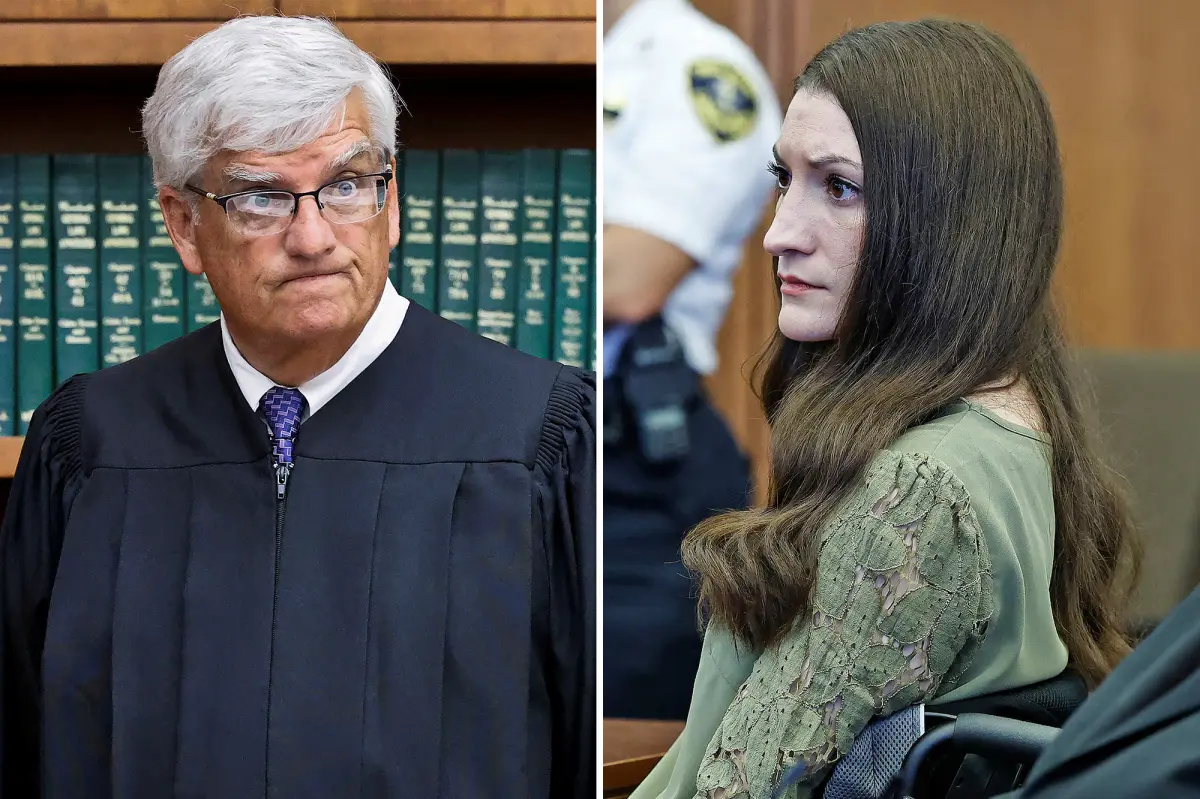
Judge William Sullivan extended an existing impound order Monday, ruling that the jurors’ names must stay confidential “until and unless otherwise ordered by the Court.”
In his order, Sullivan said the case had attracted—and continues to attract—“significant and divisive attention” in Massachusetts, across the country and internationally.
“Based on the circumstances of this trial and the fact that the case continues to receive daily, divisive attention in Massachusetts and beyond, the Court concludes there is a real and present ‘risk of [personal] harm to the jurors,’” the judge wrote.
The decision came as public interest intensified around the lone juror whose refusal to support a verdict finding Clancy not guilty by reason of insanity resulted in the mistrial. Reporters descended on the juror’s Massachusetts hometown, while relatives said the attention had become so intense that they were afraid to leave their homes.
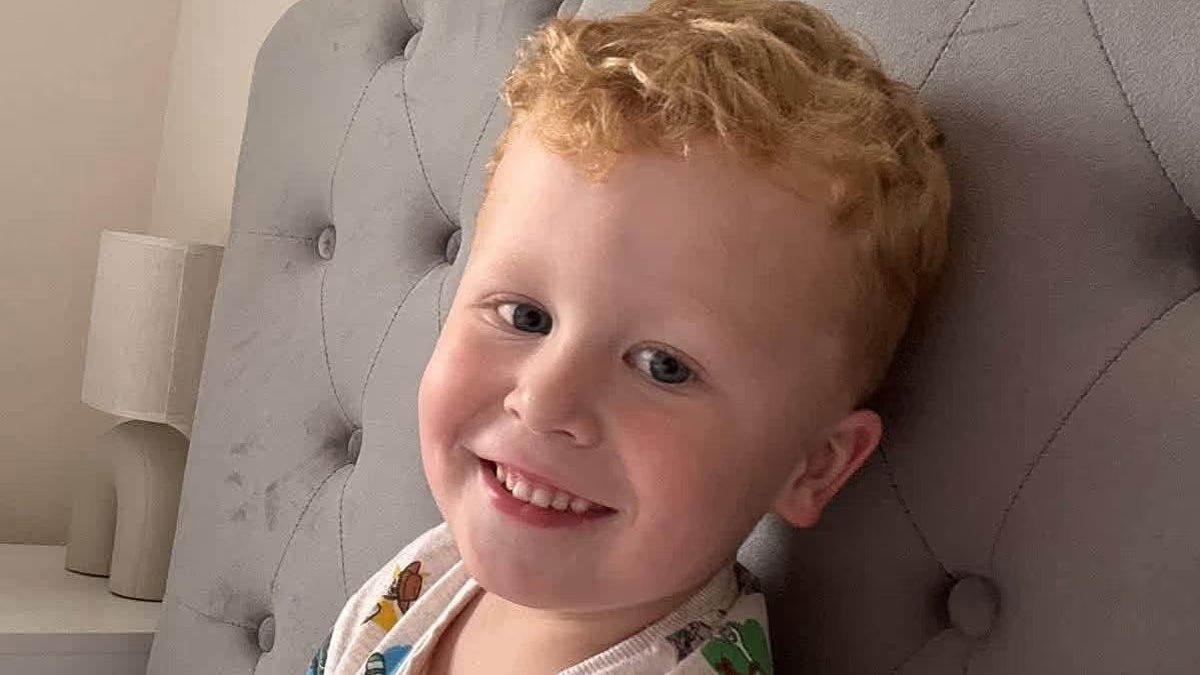
Clancy, 36, acknowledged killing her three children—5-year-old Cora, 3-year-old Dawson and 8-month-old Callan—before attempting suicide in January 2023. Prosecutors said she lured her husband out of their Duxbury home beforehand. Clancy maintained that she was experiencing severe postpartum psychosis, which she said was aggravated by medication prescribed while she sought medical assistance.
Eleven jurors supported acquitting Clancy on the grounds of legal insanity. Such a finding would not have meant her release; she could still have spent decades in a psychiatric institution. The remaining juror reportedly agreed that reasonable doubt existed in the murder case but would not change his position after days of deliberations, ultimately forcing the judge to declare a mistrial.

The trial’s unresolved ending has also drawn intense scrutiny toward the other jurors. True-crime followers have reportedly tried to identify them, hoping to learn more about the discussions and disagreements that unfolded behind closed doors.
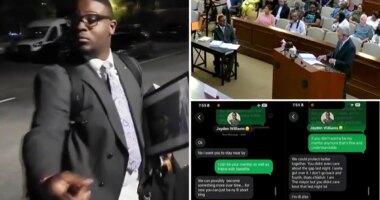
According to Sullivan’s order, the fallout has included threats against at least one juror, the publication of personal information belonging to others and the arrest of an individual accused of recording jurors as they left the courthouse.
Sullivan said at least one juror had asked for the protection order to remain in effect indefinitely. He added that the court system had a responsibility to exercise “the highest degree of vigilance for their personal safety.”
The judge initially ordered the legally required release of the jurors’ names to be withheld on Sept. 4.
Some jurors have already chosen to identify themselves and speak publicly about the trial. Their interviews helped intensify debate surrounding the holdout juror, but Sullivan emphasized that jurors are not prohibited from disclosing their identities if they decide to do so.